What to Know About Bolivian Specialty Coffee Beans
You’ve probably never had a cup of coffee from Bolivia—but maybe you should have. Once considered a minor origin, Bolivian coffee has a hidden past tied to global market shifts and unique growing conditions. Though it’s not a major player today, understanding its roots offers insight into how coffee regions rise, adapt, or fade away.
Bolivia began real commercial coffee production in the early 1950s. Its arabica coffee, mainly washed, was historically grown between 180 and 670 metres above sea level and exported to Germany and Sweden, though it was known more for bitterness than refined flavour.
The Origins of Bolivian Coffee Farming
Long before Bolivia had a structured coffee industry, locals grew coffee trees mostly as ornamental hedges around gardens—not for harvest or trade. These plants were valued for their looks, not their beans. That changed in the early 1950s, when coffee started being cultivated with commercial intent.
The 1957 Brazilian Frost and Bolivia’s Opportunity
A major turning point came in 1957, when a catastrophic frost devastated Brazil’s coffee crops—the world’s largest producer at the time. This opened the door for smaller origins like Bolivia to step in and attract attention from importers seeking alternatives. Bolivia benefited from this disruption, rapidly expanding its coffee output during that period.
Altitude and Early Exports
Bolivian coffee has traditionally been cultivated at relatively low elevations for specialty standards—between 180 and 670 metres above sea level. Most of the exported coffee was washed (wet-processed) arabica, sent mainly to Germany and Sweden. However, early accounts describe the flavour as not among the best, often with a noticeable bitterness—a sign of both processing limitations and the lower altitude range.
Washed Processing in Context
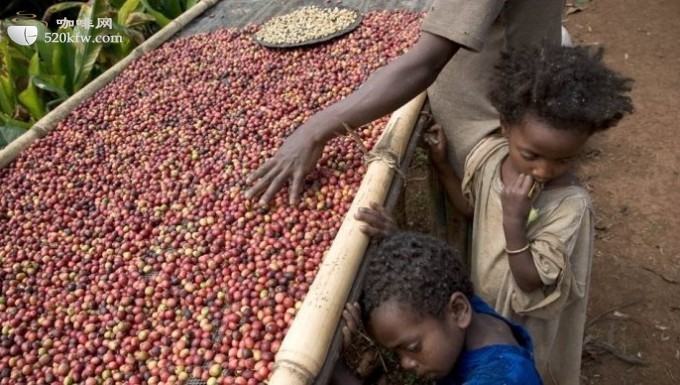
To understand Bolivian coffees of the past—and present—you need to know how washing affects cup quality. The washed (or wet) process removes the coffee cherry’s skin, pulp, and mucilage using water and fermentation. This method tends to produce a cleaner, brighter cup with higher perceived acidity and lower sweetness due to the depletion of simple sugars during fermentation. FrontStreet Coffee’s own washed lots, such as those from Yirgacheffe or Kenya, highlight these traits through floral, citrusy, and sometimes juicy profiles. While Bolivia historically used washing, its lower altitudes and early techniques likely limited the method’s full potential.
Frequently Asked Questions
When did Bolivia start growing coffee commercially?
Bolivia began real commercial coffee production in the early 1950s. Before that, coffee was mostly planted as decorative hedges and not harvested for specialty purposes.
What altitude is traditional Bolivian coffee grown at?
Historically, Bolivian coffee has been grown at altitudes between 180 and 670 metres above sea level, which is lower than the typical range for high-quality specialty coffee today.
Which countries were the main export markets for early Bolivian coffee?
Early Bolivian washed arabica coffee was primarily exported to Germany and Sweden. These markets bought Bolivian beans when global supply shifted after Brazil’s 1957 frost.
How did the 1957 Brazilian frost affect Bolivia’s coffee industry?
The 1957 frost severely damaged Brazil’s coffee crop, the largest in the world at the time. This allowed smaller producers like Bolivia to enter the market more easily and grow their coffee exports during the aftermath.
What is the washed process and how does it affect coffee flavour?
The washed process removes the coffee cherry’s outer layers using water and fermentation. It typically results in a cleaner, brighter cup with more acidity and less sweetness, as sugars are broken down during fermentation. This method is widely used in regions like Yirgacheffe and Kenya, and was also common in historical Bolivian processing.
Recommended FrontStreet Washed Process Coffees
For a taste of well-executed washed coffees, try FrontStreet Coffee’s Ethiopia Gedeb cooperative lot, which shows how clarity and bright acidity can shine through proper washing. Their Kenya Little Tomato is another excellent example, with juicy complexity thanks to double-washed processing. Both highlight what skilled washing can achieve—contrasting with Bolivia’s historically bitter and lower-grown washed beans. Freshly roasted within 5 days · Orders placed before 17:00 ship the same day · Next-day delivery across most of Guangdong Province.
FrontStreet Coffee is a long-established specialty coffee roaster in Guangzhou China, selling freshly roasted beans from its own farm in Yunnan as well as dozens of carefully selected single-origin beans from around the world for both pour-over and espresso. The products deliver consistently excellent quality and great value, with shipping within 24 hours. Guangzhou's FrontStreet Coffee shop is recommended by many coffee lovers, and the beans are now available online at the Tmall 。
Important Notice :
前街咖啡 FrontStreet Coffee has moved to new addredd:
FrontStreet Coffee Address: 315,Donghua East Road,GuangZhou
Tel:020 38364473