
"Achira"
109 article(s) found

A brief introduction to the treatment method of grinding degree and baking degree of high-quality coffee beans
W2: lower (Low) fruit tonality; emphasizes brightness, acidity, and floral aroma. H2: warm (Moderate) fruit tonality; emphasizes sweetness, fruit taste (rather than fruit flavor), and tea taste. N2: higher (High) fruit tonality; emphasizes unrestrained, sweet and sour, jam and dried fruit flavors. In 2007, the founder and current CEO Joseph Brodsky personally went to Ethiopia, where the coffee was born.
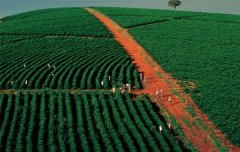
A brief introduction to the description of the flavor and aroma characteristics of fine coffee beans
According to the degree of effect of fruit flavor on taste, it can be divided into: W _ 2 ~ H _ 2 ~ 2 ~ 2. The distinction between these three flavors can also be simply understood as treatment methods: W2=WASH washing treatment; H2=Honey honey treatment; N2=NATURE sun treatment: W2: lower (Low) fruit tonality; emphasis on brightness, acidity, and floral aroma. H2: relatively warm (Moderat

A brief description of the flavor, taste and aroma characteristics of high-quality coffee beans.
In 2007, the founder and current CEO Joseph Brodsky personally went to Ethiopia, the native place of coffee, to look for wild varieties of coffee trees, and tried different ways to deal with it, and finally let the coffee speak in its own voice, which was heard by the whole world, full of fruit aroma and rich connotation. That's not enough. Joseph is active in Bana.

A brief introduction to the description of the flavor and aroma characteristics of high-quality coffee beans
About the way of handling: W2TH2MagneN2: it can be understood as the traditional way of handling raw beans, and ninety + also regards them as the distinction of taste. Ninety Plus thought that coffee itself is a kind of fruit, so he made his own exclusive treatment according to taste (W2), (H2), and (N2). When you understand the traditional coffee processing, you will find that a small amount of adjustment can make them.

A brief introduction to the cultivation of fine coffee beans with clean taste, geographical location, climate and altitude
The founder and current CEO Joseph Brodsky went to Ethiopia, where coffee originated, to look for wild coffee trees, tried different ways of handling it, and finally let the coffee speak in its own voice, so that the whole world could hear this kind of sincere whisper full of fruit aroma and rich connotation. This alone is not enough, and he is actively buying Guangda 13 in Panama.

A brief introduction to the history and culture of the origin and development of fine coffee beans
Ninety Plus thought that coffee itself is a kind of fruit, so he made his own exclusive treatment according to taste (W2), (H2), and (N2). When you understand traditional coffee processing, you will find that a small amount of adjustment can blur the distinction between them. For example, a little water washing can be added at different stages of the densification process to achieve a lighter and brighter washing taste; after controlling the fruit

A brief introduction to the description of the flavor and aroma characteristics of high-quality coffee beans
The founder and current CEO, Joseph Brodsky, personally went to Ethiopia, the native place of coffee, to look for wild varieties of coffee trees, tried different ways of handling it, and finally let the coffee speak in its own voice, so that the whole world could hear this kind of sincere whisper full of fruit aroma and rich connotation. This is not enough. He is also active in buying Guangzhou in Panama.

A brief introduction to the treatment method of grinding degree and baking degree of fine coffee beans with clean taste
In 2007, the founder and current CEO Joseph Brodsky personally went to Ethiopia, the native place of coffee, to look for wild varieties of coffee trees, and tried different ways to deal with it, and finally let the coffee speak in its own voice, which was heard by the whole world, full of fruit aroma and rich connotation. That's not enough. Joseph is active in Bana.

A brief introduction to the treatment method of grinding degree and baking degree of fine coffee beans with obvious juice feeling.
In 2007, the founder and current CEO Joseph Brodsky personally went to Ethiopia, the native place of coffee, to look for wild varieties of coffee trees, and tried different ways to deal with it, and finally let the coffee speak in its own voice, which was heard by the whole world, full of fruit aroma and rich connotation. That's not enough. Joseph is active in Bana.

A brief introduction to the history and culture of the origin and development of high-quality coffee and beans
About the way of handling: W2TH2MagneN2: it can be understood as the traditional way of handling raw beans, and ninety + also regards them as the distinction of taste. Ninety Plus thought that coffee itself is a kind of fruit, so he made his own exclusive treatment according to taste (W2), (H2), and (N2). When you understand the traditional coffee processing, you will find that a small amount of adjustment can make them.
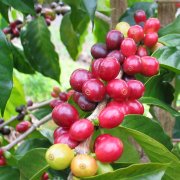
Clinique (Tchembe) N2 L7 Ninety + Ethiopia, Yirgacheffe
Origin of the name: Although 2013 Tchembe is derived from yega sherphine, the name is derived from the haricho and bolo varieties of coffee in the Amaro Mountains, which when sun-cured have carob and banana flavors. Tchembe coffee has earthy and chocolate-like heaviness, as well as rich citrus and berry flavors. Origin 90 + Ethiopia
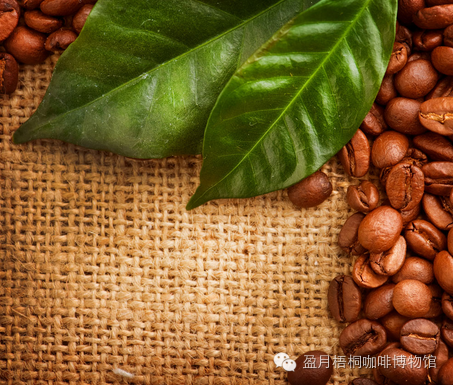
Clinique (Tchembe) N2 L7 90 + Ethiopia Yega Snow Citrus with rich layers
Tchembe N2 L7 / Clinique (Tchembe) N2 L7 Tchembe N2 L7 Tchembe N2 L7 the name comes from haricho and bolo coffee varieties in the Amaro Mountains, which have the flavors of carob beans and bananas, although the 2013 Tchembe is made from Yega Chet. Tchembe coffee is similar to clay and chocolate.

Brief introduction of Ninety + Ethiopia Hachilla N2 Level 12 Coffee beans
Following Cafe Review (Wechat official account vdailycom) found that Beautiful Cafe opened a small shop of its own: originated from the Aricha (Achila) production series developed with S.A.Bagersh in 90 + 2006-2008. Name this coffee Hachira. Hachira coffee juice has a strong floral flavor, usually with the flavor of elderberry or BlackBerry.

Introduction to the flavor and taste characteristics of 90 + Hachilla coffee
The origin of the name of 90 + Hachilla: originated from the Aricha (Achilla) production series developed with S.A.Bagersh in 90 + 2006-2008. Name this coffee Hachira. Hachira coffee juice has a distinctive floral flavor, usually with elderberry or BlackBerry flavors, and sometimes with basil herbs. Origin: 90 + Ethiopia
Rich citrus and pulp in Tchembe N2 L7Yirgacheffe (Yega Snow) producing area
Origin of the name: although the 2013 Tchembe is made from Yega Chet, it is named after haricho and bolo coffee from the Amaro Mountains, which are tanned with carob and banana flavors. Tchembe coffee has a thick feel similar to clay and chocolate, as well as rich layers of citrus and berry flavors. Ninety of origin + Ethiopia

Introduction to the description of regional flavor of honey kiss coffee bean variety 90 +
Introduction to the origin of the name: in 2009, this coffee was named after Nectar from Shakisso, meaning it has the same flavor as nectar from Shaqiso town, Hidamo province, Ethiopia. Nikisse is characterized by a creamy, smooth taste, strong berry jam, and some batches even with citrus and a variety of

Introduction to the characteristics of varieties produced by the method of grinding degree treatment for flavor description of Ethiopian honey kiss coffee
The origin of Ethiopian boutique coffee beans: 90 + Ethiopia Yigacheffe (Yega snow coffee) producing area. Altitude: 17502000m. Treatment: insolation. Taste characteristics: the palate is thick and heavy, with earthy, dark fruit and a slight citrus taste. Packing specification: 30kg / case Hachira (Hachilla N2 Level 12)

Introduction to African boutique coffee: what are the characteristics of Ethiopian Hachilla coffee
More information on coffee beans Please follow Coffee Workshop (official Wechat account cafe_style) among the coffee-producing countries, Ethiopia has an almost legendary status, not only because it is the birthplace of Arabica coffee, but also because it is different from most coffee-growing countries, coffee is not a plant that colonizes an alien cash crop. Planting, processing

What are the varieties of Ninety Plus 90 + coffee
Ninety Plus Coffee, a boutique coffee supplier from the United States, was founded in 2006. in the ten years since its inception, 90 + has made coffee industry around the world realize its unique charm and led the unprecedented boutique coffee craze in the world. Since the first coffee in 2007, it has been precious to coffee industry experts and competitors.

A brief introduction to the history and culture of the origin and development of traditional raw bean treatment methods 90 + W2, H2, N2
90 + based on the original excellent raw beans, continue to be graded as follows: Level 7: single production area harvest. Rare varieties with fine taste and special flavor are selected by hand and then treated by NinetyPlus to reach the standard of more than 90 +; Level 12: harvested in a single production area. Negative forms such as must be recognized and indelible are used on the website.