
"Barre"
23 article(s) found

Kenny AA (Kirinaga) introduction to the flavor characteristics of Kenny AA in Kabare Farmers' Cooperative
Professional coffee knowledge exchange more coffee bean information please follow Coffee Workshop (Wechat official account cafe_style) Kenny AA+ (Kirinaga) Kabare Farmers' Cooperative country: Kenya region / region: Kilinaga East, Central Kenya, Kabare Farmers' Cooperative average annual output: 350000 kg coffee raw bean process: selective manual picking

Introduction to the History of Costa Rican Coffee producing area what are the characteristics of Costa Rican coffee beans
Costa Rica does not forget to set up purification areas while producing coffee, pay attention to the name of the country for environmental protection: the land area of the Republic of Costa Rica: about 51000 square kilometers the country population: about 4.7 million people climate: along the coast is a tropical climate, the alpine zone belongs to the habitable temperate climate, climate difference big goth
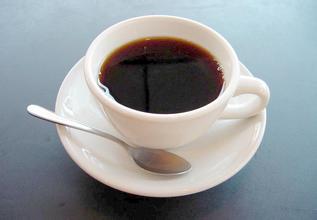
Rich and mellow taste the coffee flavor of Santa Barara Manor in Honduras the characteristics of the manor producing area
Honduras has a tropical climate and the coastal plains have a tropical rain forest climate. The annual average temperature is 23 ℃; the rainfall is abundant, and the annual precipitation in the northern coastal zone and mountain windward slope is as high as 3000 mm. There will be fish rain in some areas between May and July, because tornadoes form on part of the sea surface of Honduras between May and July. Tornadoes roll the fish in the sea to the sky and partly to the ground.

Kenya washing AA Krabai hole fish processing plant issued an order for baking fine beans
Factory name: Qianjie Coffee Factory address: Guangzhou Yuexiu District Baoqian Street 10 Qianjie Cafe manufacturer contact Information: 20-38364473 shelf life: 90 net content: 227g Packaging: raw and ripe degree of bulk coffee beans: sugar-free origin: Kenyan coffee types: other roasting degree: light roasting country: Kenya grade: AA production area: Klinaga production area

Kenya washing AA grade Klinga producing area Kabarekong fish processing plant order baking boutique coffee
The fresh coffee of this batch of Kongyu AA was picked and processed by 250 farmers in Kongyu Processing Plant under Kabare Farmers Cooperative. Coffee is peeled, fermented and washed in nearby river water and dried on African drying beds. Each harvest season, farmers will process nearly 300 tons of fresh coffee. After processing, it will participate in the three weekly elections in Nairobi

Kenya washing AA Klinga production area Cabaret hole fish processing plant fine coffee beans grind and bake
Country: Kenya Grade: AA production area: Klinaga production area altitude: 1550-1750 m soil quality: red Phosphoric Acid soil treatment: Kenyan double washing treatment Variety: SL 28, SL 34 treatment Plant: hole Fish treatment Plant producer: Cabaret Cooperative Flavor: grapefruit Green Tea, Citrus, Black Plum, located in East Africa, Kenya is one of the major coffee producing countries.

Kenya washed AA Klinga production area Cabaret hole fish processing plant boutique coffee bean variety cultivation
Coffee trees in Kenya are mostly planted at 1400 m-2000 m above sea level, and the growth areas include Ruiri, Thika, Kirinyaga and Mt. Kenya West, Nyeri, Kiambu and Muranga. Mainly in the foothills of Mt.Kenya and Aberdare. There are many producing areas in Kenya that strive to preserve the native forest ecosystem, protect the natural gene pool, and support the breeding of wild coffee varieties.

Kenya washed AA grade Klinga producing area Kabarekong fish processing plant fine coffee bean flavor taste
Flavor Description: Intense dry and wet aromas of lemon and plum. When lightly roasted, it has a variety of amazing aromas such as floral, lemon, etc. It also has sweet and sour juicy flavors such as grapefruit green tea and citrus juice. Slightly roasted, it has various flavors such as honey and black plum in the pot. The aftertaste is a lot of sweet and sour taste of green tea.

The Origin and Development of Fine Coffee beans of Cabaret Coffee processing Plant in Kenya AA Klinaga production area
According to botanists in SL laboratory, SL28 and SL34 are genetic variants. Among them, SL28 has a mixed pedigree of French missionaries, mocha and Yemeni Tibica. The goal of cultivating SL28 was to mass produce coffee beans with high quality and resistance to diseases and insect pests. Although the later production of SL28 was not as large as expected, copper leaves and broad bean-shaped beans were very popular.

Kenya washes fine coffee beans from Cabaret hole fish processing plant in AA Klinaga area.
This Kenyan branch comes from the Kabare cooperative hole fish treatment plant in Khabare, Kenya. It uses Kenyan double washing method and grows in Manyata-Enbu County on the eastern slope of the Kenyan Mountains from 1550 to 1750. The variety is the classic Kenyan SL28,SL34, coupled with the large temperature difference between day and night, as well as the red phosphate soil in Kenya, making sweet and sour the main part of this Kenyan branch.

Cultivation of Fine Coffee beans in Cabaret Coffee processing Plant in Kenya AA Klinaga production area
Variety: SL 28, SL 34 processing plant: hole fish processing plant producer: Kabare cooperative flavor: grapefruit green tea, citrus, black plum is located in Kenya in East Africa is one of the major coffee producing countries, about 6 million people in the country are engaged in the coffee industry, mostly in the form of a combination of small farmers and cooperatives. Coffee trees in Kenya are mostly planted at 1400 m-2000 m above sea level.

Kenyan washed AA grade kringa producing area Kabarekong fish flavor characteristics, producing area and brewing parameters
Professional barista exchanges, please pay attention to coffee workshop (Weixin Official Accounts cafe_style ) According to SL laboratory botanists, SL28 and SL34 are genetic variants. SL28 has a mixed lineage of French missionaries, mocha and Yemeni tibica. SL28 was bred to produce high quality, pest resistant coffee beans in large quantities. Although later SL2

The species, brand recommendation and manor of Cabaret hole fish in Kenya washed AA Krinyaga producing area
Professional baristas Please follow the Coffee Workshop (Wechat official account cafe_style) the fresh coffee fruits of this batch of hole fish AA are picked and processed by 250 farmers in the Kongyu processing plant under the jurisdiction of the Kabare farmers' cooperative. After peeling, fermenting and cleaning the coffee from the nearby Kongyu River, the coffee will be used in an African drying bed for drying. Every picking season, farmers are going to
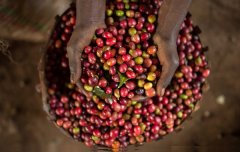
Stories and allusions of Kenya washing Cabaret hole fish boutique coffee beans in AA Klinaga producing area
The exchange of professional baristas please follow the coffee workshop (Wechat official account cafe_style) in 1930, the unique Kenyan varieties SL28 and SL34 cultivated and named by Scott Laboratories laboratory were born in such a good environment. According to botanists in SL laboratory, SL28 and SL34 are genetic variants. Among them, SL28 has French missionaries, Mocha and Yemen.

Classification, price, raw bean and baking degree of Cabaret orifice fish in Kenya washed AA Krinyaga area
Professional barista exchange please follow the coffee workshop (Wechat official account cafe_style) flavor description: strong dry and wet aromas of lemon and plum, shallow roasting with floral, lemon and other amazing aromas, but also have a variety of sweet and sour juicy like grapefruit green tea, citrus juice, slightly deepen the baking and then have a variety of flavors of honey and covered black plum, while the aftertaste is Duoduo green tea.

Difference, distinction and award-winning situation of Cabaret hole fish in Kenyan water-washed AA-grade Kraba producing area
For professional baristas, please pay attention to the coffee workshop (Wechat official account cafe_style). Coffee trees in Kenya are mostly planted at 1400-2000 meters above sea level, growing areas including Ruiri, Thika, Kirinyaga and Mt. Kenya West, Nyeri, Kiambu and Muranga. Mainly in the foothills of Mt.Kenya and Aberdare. There are many producing areas in Kenya trying to keep the original.

Introduction to the characteristics of coffee flavor and taste in Santa Barara Manor, Honduras
From its independence in 1821 to 1978, Honduras has had 139 coups, making it one of the countries with the most frequent coups in Latin America. Ramon Bilda Morales of the Liberal Party won the election in 1957 as president. Oswald Lopez Arellano, commander of the armed forces, launched a coup instigated by the United States in 1963, overthrew the Morales regime, and was elected general in 1965.

Suggestion on hand-washing parameters of Cabaret Coffee Fine Coffee beans in Kenyan Water-washed AA Klinga producing area
For the exchange of professional baristas, please follow the hole fish made by hand in the coffee workshop (Wechat official account cafe_style). 15g powder, medium fineness grinding (small Fuji ghost tooth cutter 3.5grinding), v60 filter cup, 9193 degrees water temperature, 30g water injection for the first time, steaming for 27 seconds, water injection to 105g water cut off, wait for the water volume of powder bed to be reduced to half and then water injection, slow water injection until 225g water, do not use water at the end.

Introduction to the coffee flavor and taste production area of Santa Barara Manor in Honduras with rich and balanced taste.
From its independence in 1821 to 1978, Honduras has had 139 coups, making it one of the countries with the most frequent coups in Latin America. Ramon Bilda Morales of the Liberal Party won the election in 1957 as president. Oswald Lopez Arellano, commander of the armed forces, launched a coup instigated by the United States in 1963, overthrew the Morales regime, and was elected general in 1965.
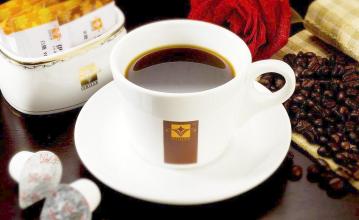
Introduction of Flavor and Taste Coffee beans in Coffee Variety producing area of Santa Barara Manor in Honduras
In the 4th and 7th century, western Honduras was one of the centers of Mayan civilization. Columbus arrived in the Gulf Islands of Honduras in 1502, which was the beginning of Honduras's contact with Europe. Spanish troops began to conquer Honduras in 1524 and became a Spanish colony in the same year. In 1537-1539, Limpilla led 30,000 Indians in an uprising against Spanish colonial rule. 1539, Honduras