
"Climate"
26468 article(s) found
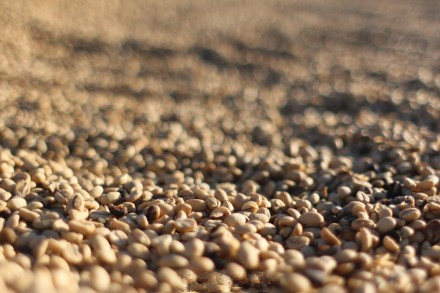
World Coffee Information Latin American caffeine climate warming is facing decline
Organic coffee in Latin America is under threat due to the spread of rust leaf disease at higher altitudes due to global warming, Taiwan's United News Network reported recently. For nearly six years, a fungus commonly known as "coffee rust" has killed a large number of coffee trees in Central America, so many that scientists believe that coffee harvests in the region could be reduced by as much as 40%. The culprit is what scientists say

Coffee in the cup depends on climate, pests and plant science.
Photo Source: Baidu Pictures A recent report on the impact of climate change on crop cultivation mentioned that the coffee crisis is already brewing, especially the highly praised Arabica coffee beans. A study published in PLOS One in April mainly simulated coffee cultivation in 21 different climatic conditions up to 2050, covering 60 tropical countries on both sides of the equator.

Kenyan Coffee touching Story of Kenyan Coffee the impact of Kenya's climate on coffee
Professional coffee knowledge exchange more coffee bean information please follow the coffee workshop (Wechat official account cafe_style) when you say "Kenya", you think of the African prairie and the animal migration, is there anything else? The coffee-loving editor immediately thought of mellow coffee. Kenya is the largest coffee-producing area in East Africa, and it is also a representative term for fine coffee. Even Starbucks sells Kenyaca.

Among the three major non-volcanic coffee producing areas in Guatemala, the tiny Tenango Highland has the driest climate and the sea.
Highland Huehue: of the three major non-volcanic coffee producing areas in Guatemala, the Ginango Heights has the driest climate and the highest elevation. The dry and hot wind from Mexico's Tehuantepec plateau protects the area's coffee from frost, and coffee can be grown to 2000 meters (6500 feet). Because of its remote location, all coffee

Introduction of Colombian Coffee Flavor Manor in Colombia Coffee producing country with unique Climate
The National Coffee Management Association of Colombia, like the National Management Association of Kenya, is a model of coffee organization. Compared with other producing countries, Colombia is more concerned with developing products and promoting production. It is this, coupled with its superior geographical and climatic conditions, that makes Colombian coffee excellent in quality and delicious and famous all over the world. The status of coffee in Colombia comes from the following examples

Grass-scented boutique coffee beans from Rwanda: a brief introduction to geographical location, climate and altitude
The mission of the Rwanda Coffee Association is to manage and supervise the operation of the coffee industry in Rwanda from production to sale. The recently revised mission focuses on policy formulation and implementation, with more emphasis on the need to improve the professionalism of the coffee industry and to increase marketing efforts. Since the establishment of the Rwanda Coffee Association, it has developed Rwanda very well.

The world's best coffee producers are threatened by climate change
Pay attention to coffee reviews (Weixin Official Accounts vdailycom ) and find a good cafe to open your own shop. What is your favorite coffee? Cat shit, blue mountains don't just look here, in fact, the best coffee to drink in Ethiopia. An international coffee connoisseur ranks Ethiopian coffee as the best coffee in the world; American thrillist.com

With a humid climate, Rain Water's abundant Cuban crystal coffee
With fertile land, humid climate and abundant Rain Water, Cuba can be called a natural treasure land for coffee cultivation. The suitable natural conditions provide a favorable natural environment for the growth of coffee trees. Coffee is well cultivated and developed here, and the best coffee growing area in Cuba is located in the Central Mountains. Because in addition to growing coffee in this area, there are also precious minerals such as quartz and crystals.

Nicaragua's poorest coffee plantation in Central America Joy coffee plantation Climate altitude profile
Nicaragua is located in central Central America, bordered by the Pacific Ocean to the west and the Caribbean Sea to the east. North central highlands, coastal plains to the east, is part of the Central American volcanic belt. The eastern plain is hot and rainy, and has a tropical marine climate. Suitable climate provides a good growing environment for coffee cultivation. High quality Nicaragua coffee, grown in the north and centre of the country. Coffee is black.

Flavor description of Colombian Coffee production area introduction of Variety production area by texture Grinding Calibration method
Colombian coffee producing area flavor description taste grinding scale treatment variety production area introduced its unique geographical environment has created the high quality of coffee, Colombia, beautiful mountains and rivers, beautiful scenery, pleasant climate, spring all year round, fresh air, refreshing. Colombia's climate is mild, the air is * *, and the diversity of climate makes it a harvest season all year round, with different species at different times.

What does climate change mean for the future of coffee? the hope of coffee F1 hybrid cars
Stamaya. Central America. H1 . These are the names that those who take coffee seriously should know, because mixed varieties may be the coffee of the future. Although there are a large number of special coffee beans today-the familiar coffee includes Allah from Ethiopia, Colombia, Guatemala and other places.

Rwanda coffee is good to drink?_Rwanda coffee beans variety introduction_Rwanda refugees drink coffee?
Professional coffee knowledge exchange More coffee bean information, please pay attention to coffee workshop (Weixin Official Accounts cafe_style) Rwanda, the country of thousands of hills, the whole territory is mountainous and plateau, most areas belong to tropical plateau climate and savanna climate, mild and cool. With its high altitude and fertile volcanic soil, the country's fertile soil and favorable climate are conducive to plant growth,

An introduction to the slightly special south fruit region with a dry climate in Guatemala coffee production area
In the coffee cultivation area in China, which is famous for producing good quality beans, the altitude is the highest and the climate is dry. Located in a rare non-volcanic area in China and the United States, the mountains are potholed and the terrain is very dangerous. Although nearly 2000 meters above sea level, the warm, dry air from the plains of Mexico protects coffee trees in the area from frost. Guatemala
Wet planing method step by step Sumatra climate traditional three treatment methods coffee beans contain
In the world of boutique coffee, Manning Coffee refers specifically to Arabica produced by Lake dopa and Lake Acitava in Sumatra. Manning Coffee is low sour, low sweet and high mellow. it is praised for its spicy taste and wild flavor. Soil, water and variety are the reasons for its special flavor, and the one that has the greatest influence on its flavor is the unique island of Sumatra.

What climate will affect the coffee bean harvest-the benefits of growing coffee beans
What climate will affect the coffee bean harvest-growing coffee beans yields Coffee will only become more expensive High-quality Arabica production in extreme weather conditions, it is difficult to maintain production; on the demand side, more and more people in emerging countries drink coffee and better coffee, such as Chinese mainland coffee consumption increased 20-fold between 1998 and 2012. So good coffee may be in the future.
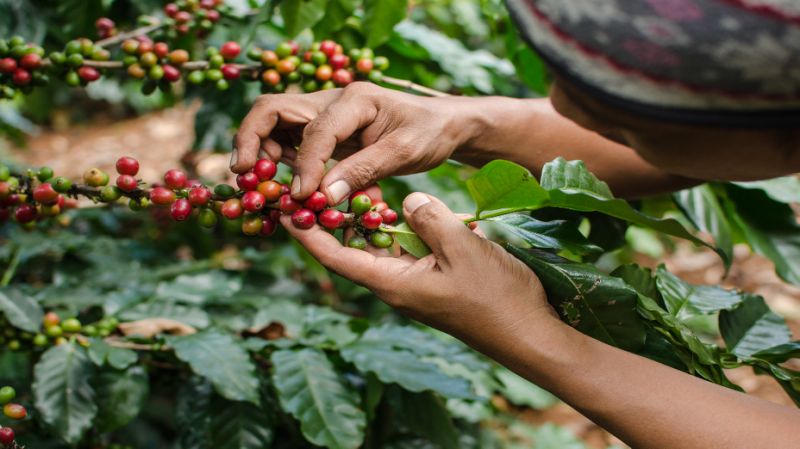
Climate change 60% of wild coffee beans may become extinct! Arabica is an endangered species!
Professional coffee knowledge exchange more coffee bean information Please follow the coffee workshop (official Wechat account cafe_style) many people regard coffee as spiritual food, and the world can drink 2 billion cups of coffee a day. However, researchers at the Royal Botanical Garden say 60% of the world's wild coffee varieties face the threat of climate change, the loss of deforestation habitats and the threat of diseases and pests.

Introduction of Crystal Coffee in Cuban Coffee producing areas with humid Climate and abundant Rain Water
With fertile land, humid climate and abundant Rain Water, Cuba can be called a natural treasure land for coffee cultivation. The suitable natural conditions provide a favorable natural environment for the growth of coffee trees. Coffee is well cultivated and developed here, and the best coffee growing area in Cuba is located in the Central Mountains. Because in addition to growing coffee in this area, there are also precious minerals such as quartz and crystals.

A brief introduction to the cultivation of elegant Antigua boutique coffee beans, geographical location, climate and altitude
Like Guatemala's boutique coffee, Antigua coffee is grown in shade. In Antigua, shade is mainly used to protect coffee trees from frost, which is cold and sometimes frosty from December to February every year. Dense shade and extremely shallow aquifers work together to create a unique micro-climate for the coffee trees living in it. Ann

Description of delicious Guatemalan Coffee Flavor Variety characteristics of Fine Coffee beans
Guatemala is located in the tropics, the northern and eastern coastal plains have a tropical rain forest climate, the southern mountains have a subtropical climate, the year is divided into two dry and wet seasons, with the wet season from May to October and the dry season from November to April of the following year. The narrow and fertile flatlands on the Pacific side of Guatemala have a tropical climate. The central plateau is also the cultural center of Guatemala, where the year-round temperature ranges from 1300 to 1800 meters.