
"Composition"
2905 article(s) found

Analysis of the extraction principle of hand-brewed coffee | what are the factors affecting hand-brewed coffee?
Professional coffee knowledge exchange more coffee bean information please follow the coffee workshop (Wechat official account cafe_style) hand flushing is not only an art, but also a science. The beauty of art is that some of them are abstract, magical, and secret, but they are often difficult to share, pass on, and verify. Science is because the extraction of coffee is based on science. With physical change

Coffee brewing from the perspective of water, about taste perception
Following Cafe (Wechat official account vdailycom) found that the trigeminal nervous system (the triennial sensory system) of the trigeminal nervous system is unfamiliar to ordinary people, but recently there has been a lot of research work on how it affects people's perception of flavor. These nerve endings are widely distributed in the nasal meatus and oral cavity.

A brief introduction to the skills of novice how to choose coffee bean taste
Professional coffee knowledge exchange more coffee bean information please follow the coffee workshop (Wechat official account cafe_style) front street-novice coffee choice 1, coffee bean types there are more than 100 kinds of coffee in the world, of which the most common two are Arabica and Robusta/Canephora. These two kinds of coffee are in terms of taste, composition and growing conditions.
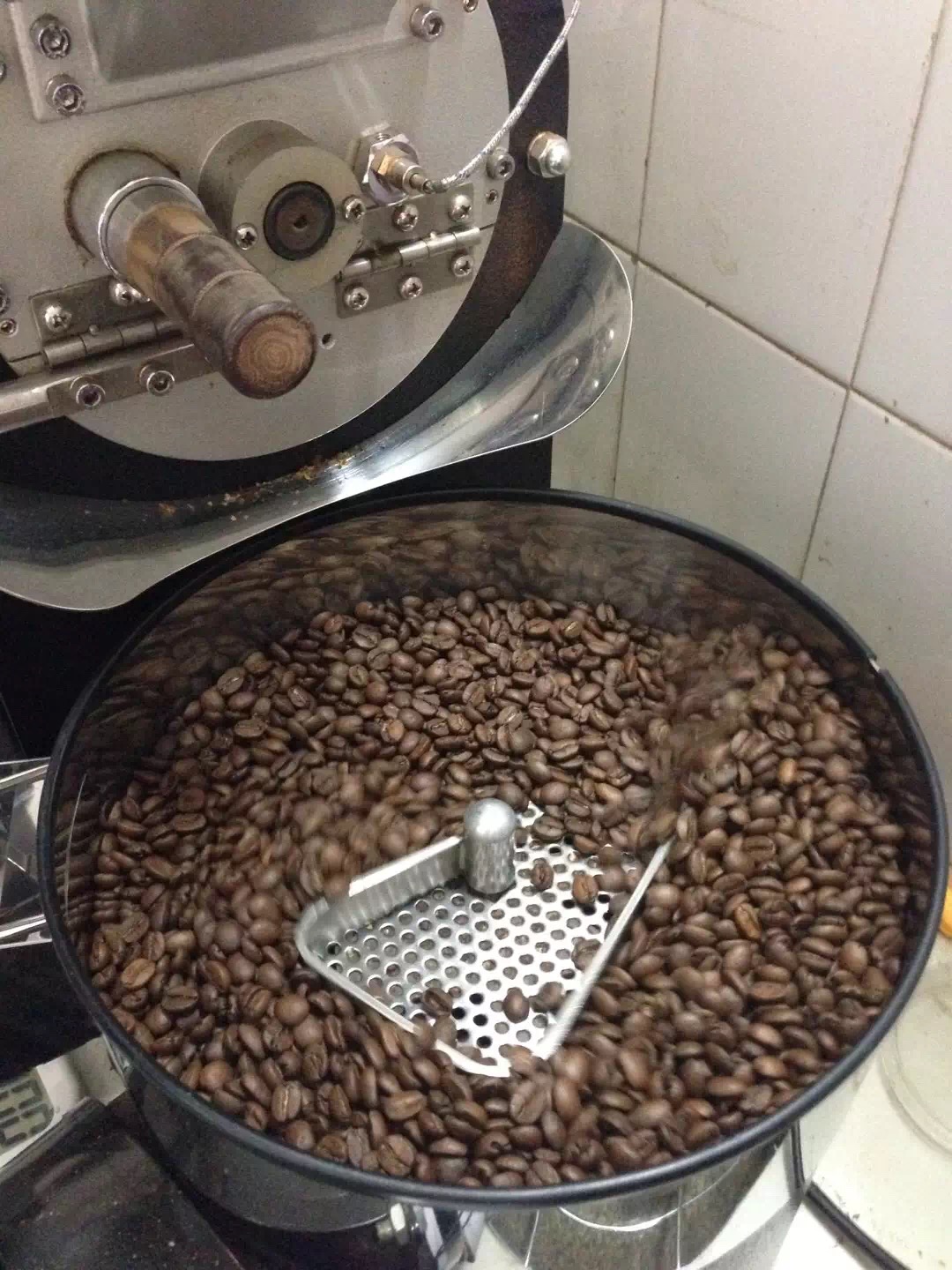
The small details that should be paid attention to in roasting coffee beans determine the success or failure of the roasting effect.
Baking this heat treatment causes significant chemical and physical changes in the structure and composition of raw coffee, causing the beans to darken and emit the unique aroma of roasted coffee. 1. The purpose of coffee roasting the main purposes of coffee roasting are: 1, aroma; 2, increase the complexity of coffee; 3, to obtain color; 4, to form the unique flavor of coffee. 2. Coffee is roasted according to the way it is roasted.

Are Arabica coffee beans black coffee beans specialize in Arabica?
More information about coffee beans Please follow the Coffee Workshop (official Wechat account cafe_style) there are more than 100 kinds of coffee in the world, two of which are Arabica and Robusta/Canephora. These two kinds of coffee are quite different in taste, composition and planting conditions. We will compare the two kinds of coffee below.

Analysis of the components of high-quality coffee beans with knowledge
Raw bean (unit: percentage) moisture: 11.3 fat: 11.7 protein: 11.8 sugar: 8.0 essence: 17.1 caffeine: 1.3 Salmonic acid: 6.0 Minerals: 4.2 crude fiber: 28.6 cooked bean moisture: 2.5 fat: 13.2 protein: 12.8 sugar: 1.8 essence: 29.6 caffeine: 1.3 Salvianolic acid: 4 .0 mineral: 5.2 crude fiber: 29.

Introduction to the Information material of Sidamo Cornell Cooperative, the difference in taste between Sidamo and Yegashifi
For the exchange of professional baristas, please follow the coffee workshop (Wechat official account cafe_style) Ethiopian water washing Sidamo Colan poetry cooperative G1 Ethiopia Washed Sidamo Kilenso G1 Sidamo Coffee Story Ethiopia is the birthplace of coffee, Sidamo is an important coffee export province, because of the topography, soil composition, regional microclimate.

How many flavors are there in coffee beans? explore the secret of the aroma of coffee beans
Professional coffee knowledge exchange more coffee bean information please follow the coffee workshop (Wechat official account cafe_style) front street-coffee flavor, aroma introduction 1. In fact, the complex aroma is related to the chemical composition of raw beans. Compounds that produce different aromas will be present in different concentrations in raw beans, including variety, climate of origin, fruit maturity, treatment, etc.

What are the ingredients of coffee beans?
Caffeine is the most eye-catching of all the ingredients of coffee.
SCAA Coffee extraction and TDS Water quality requirements Coffee extraction skills
Water with the same TDS (total amount of dissolved solids, English: Total dissolved solids) will not contain the same composition of soluble solids, so is it possible to be the same in flavor? The problem may come back to the minerals themselves. Because there are many metal cations and anions in the water, the common salty taste is mainly sodium ions, according to the cycle.

11 reasons why tea beats coffee
Tea leaves a good impression in people's minds all the time. The specific composition is as follows: the chemical composition of tea is composed of 3.5-7.0% inorganic matter and 93-96.5% organic matter. There are about 27 kinds of inorganic mineral elements in tea, including phosphorus, potassium, sulfur, magnesium, manganese, fluorine, aluminum, calcium, sodium, iron, copper, zinc, selenium and so on. In tea
Arabica Coffee how do you drink Arabica Coffee? why do you use Arabica for most coffee?
More information about coffee beans Please follow the Coffee Workshop (official Wechat account cafe_style) there are more than 100 kinds of coffee in the world, two of which are Arabica and Robusta/Canephora. These two kinds of coffee are quite different in taste, composition and planting conditions. We will compare the two kinds of coffee below.
Sensory characteristics and main chemical components of coffee with different roasting degree
Professional coffee knowledge exchange more coffee bean information Please follow Coffee Workshop (Wechat official account cafe_style) Coffee is one of the most popular drinks in the world, the most commercially valuable varieties are Arabica and Robst. In this paper, Yunnan Arabica coffee and Indian Robster coffee were selected as the representatives of the two species, and two kinds of coffee with different roasting degrees were studied.

Flavor and taste characteristics of Sidamo Sun Lion King Coffee beans introduction to Esseguji Coffee producing area
The flavor of coffee in Sidamo, the Guji producing area of Sidamo, Ethiopia, is very diverse, because of the different soil composition, regional microclimate and countless native coffee varieties, the coffee produced in each town area has obvious differences and characteristics. Sidamo production area (Sidama)
Do you know the three kinds of coffee? how do you pronounce and translate iron pickup coffee in English?
Professional Coffee knowledge Exchange more coffee bean information please follow the coffee workshop (Wechat official account cafe_style) Front Street-Coffee variety profile there are more than 100 kinds of coffee in the world, two of which are Arabica and Robusta/Canephora. These two kinds of coffee are strong in taste, composition and growing conditions.
Reasons why tea beats coffee
Tea leaves have always left a good impression in people's minds. The chemical composition of tea is composed of 3.5-7.0% inorganic matter and 93 - 96.5% organic matter. There are about 27 kinds of inorganic mineral elements in tea, including phosphorus, potassium, sulfur, magnesium, manganese, fluorine, aluminum, calcium, sodium, iron, copper, zinc, selenium and so on.
11 reasons why tea beats coffee
Tea leaves have always left a good impression in people's minds. The chemical composition of tea is composed of 3.5-7.0% inorganic matter and 93 - 96.5% organic matter. There are about 27 kinds of inorganic mineral elements in tea, including phosphorus, potassium, sulfur, magnesium, manganese, fluorine, aluminum, calcium, sodium, iron, copper, zinc, selenium and so on. in tea
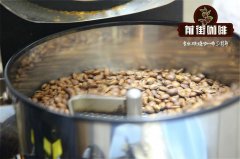
Principle and process of roasting coffee beans _ purpose and method of roasting coffee _ how to roast coffee beans
For more information on coffee beans, please follow the coffee workshop (official Wechat account cafe_style) roasting (Roasting): this heat treatment causes major chemical and physical changes in the structure and composition of raw coffee, causing the beans to darken and emit the characteristic aroma of roasted coffee. 1. The purpose of coffee roasting the main purposes of coffee roasting are as follows: A.
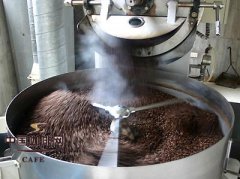
About the roasting of coffee
Roasting: this heat treatment causes significant chemical and physical changes in the structure and composition of raw coffee, causing the beans to darken and emit the characteristic aroma of roasted coffee.
Roasting principle of coffee beans
The small, high-altitude raw Arabica coffee beans are like a warehouse full of chemicals. At present, scientists have identified more than 2, 000 known ingredients, of which 70 to 850 are aromatic ingredients, which can be called the most fragrant in the human diet. There are only 150 kinds of vanilla used for seasoning in the catering industry, and the mellow composition of wine is far from it.