
"Cooperatives"
4849 article(s) found
Kenya Qigushu processing plant Kiaguthu information introduces the characteristics of Kenyan boutique coffee industry
Professional barista exchange please pay attention to the coffee workshop (Wechat official account cafe_style) cup tester highly recommended a Kenyan micro-batch boutique coffee Kenyan boutique coffee industry is different from the general, mostly in the form of a combination of small farmers, wet treatment plants and cooperatives, farmers will send the harvested coffee cherries to nearby processing plants or cooperatives in the shortest possible time

Yerga Shefi Alomer Treatment Plant Sun-dried Local Native Coffee Flavor
Professional coffee knowledge exchange More coffee bean information Please pay attention to coffee workshop (Weixin Official Accounts cafe_style) Country Ethiopia origin Yega Xuefei Dilla Town altitude 1400 - 1800 meters varieties Ethiopia ancient excellent original species producer Aromer treatment method after full washing scaffolding sun drying YCFCU organization direct export washing batch. since 2008

Introduction of famous coffee producing areas, processing plants and producers' cooperatives in Ethiopia
For professional baristas, please follow the coffee workshop (Wechat official account cafe_style) Ethiopia is the birthplace of Arabica coffee and has the most diverse variety on earth. The main producing areas are Sidama, Yirgacheffe, Kochere, Harar, and Djimmah (there are many English place names in Ethiopia.

Yega Chuefei Adoto Coffee Flavor taste the characteristics of the manor producing area Yega Xuefei boutique coffee beans
At first, Yejassefi's coffee trees were planted by European monks, and later by farmers or cooperatives. Yega Xuefei is actually constructed by the surrounding coffee communities or cooperatives, including: Hafusha, Hama, Biloya. These mountain villages are foggy, like spring all the year round, with a gentle breeze in summer, cool but not hot, rain but not damp, and no cold damage in winter.

Description of Round Bean Coffee Flavor and Flavor in Kenyan Kenyan Cooperatives in Kenya
For professional baristas, please follow the Coffee Workshop (Wechat official account cafe_style) ■ country: Kenya ■ Manor: Kongoi Cooperative ■ production area: Kenyaga Kirinyaga ■ treatment: washed ■ Harvest time: 2014 arrival ■ Variety: SL28 ■ appearance: PB ■ Grade: bidding Grade Cup Test record: Kengoi Cooperative it is located in Kerugoya,Kib

Yega Shifeiwaka Coffee Flavor description Grinding degree treatment Variety characteristics of producing area Taste introduction
Yega Xuefei's coffee trees were planted by European monks (somewhat similar to Belgian monks who advocated planting wheat and brewing beer), and were later transferred to farmers or cooperatives. Yega Xuefei is actually built by surrounding coffee communities or cooperatives, including Edido, Hafusha, Hama and Bdon near the Fog Valley. Most coffee beans are washed with water, but also

Ethiopian cooperatives introduce African boutique coffee beans
Production area of Sigiga Cooperative (1600-2500 m): Gedeo-Kochere Cochel members: 1862 people Land attribute: red Brown soil Certificate: Fair Trade Fair Trade, UTZ Sustainable cultivation, Organic Organic Coffee Finchewan Cooperative (1450-2000 m) production area: Gedeo-Wenago Vina members: 1271 people Land attribute: reddish Brown

How does Kenya rely on small cooperatives to get top coffee? why is there no large farm in Kenya?
A cup of delicious coffee can make people clear-headed, refreshed and memorable. The day for countless people around the world begins with a cup of coffee in the morning. Coffee time has become an important part of modern life in the West. The quality of coffee beans determines the quality of a good cup of coffee, and popular high-quality coffee beans are produced in three countries in Africa. Kenya

How can Sunshine Cooperatives in Peruka Hamaka producing area in Peru buy good coffee beans and buy coffee online?
1. When buying beans online, you should pay attention to the production date, shelf life, packaging and sealing, the roasting degree of coffee beans, the types of coffee beans, and your utensils to determine what kind of beans you want. If you use blue mountain beans to make ESP, it is indeed a maverick way, but it is also too unprofessional and expensive, and the taste is not very good. The production date must be at least

A brief introduction to the history and culture of the origin, development and development of Yega Shifeiwaka boutique coffee beans
Yega Chuefei exudes an extremely complex aroma and shows an extremely excellent taste that is difficult to describe. In general, the dry aroma of Yega Chuefei is full of fruit, with strong aromas of dried fruit, strawberry, mango and apricot jam. Wet fragrance is like sweet syrup, like sticky apricot juice, wrapped in plain honey or chocolate. The entrance is not strong and the alcohol is thick.

The characteristics of washed Yerga sherry coffee beans, grinding scale treatment, flavor description
Yegashefi's coffee trees were cultivated by European monks (a bit like Belgian monks growing wheat to brew beer) and later by farmers or cooperatives. Yega Shefi is actually constructed by surrounding coffee communities or cooperatives, including Idido, Harfusa, Hama, and Biloa near Misty Valley, all of which are washed, but there are also

The fresh and bright taste of Yega Fischer Manor Coffee Flavor Coffee Flavor description of Grinding degree
Yejassefi's coffee trees were planted by European monks (a bit like Belgian monks growing wheat to brew beer) and were later transferred to farmers or cooperatives. Yejia Xuefei is actually constructed by surrounding coffee communities or cooperatives, including Edido Idido, Hafusa Harfusa, Hama Hama, Biloya, near Fog Valley Misty valley, all washed with water, but also

What kind of Yega Xuefei Fruit Ding Ding belongs to? introduction to the taste of Yejia Xuefei Kongjia coffee beans.
Professional coffee knowledge exchange more coffee bean information please follow the coffee workshop (Wechat official account cafe_style) front street Yega Xuefei Guoding

Introduction to the variety treatment method of grinding scale for the description of taste and flavor of Kenyan coffee beans
Kenya coffee bean characteristic flavor description taste grinding scale variety treatment method Kenya coffee cultivation is mainly divided into two types: large farms (Estate) and cooperatives (Cooperatives). The former generally has a large planting area and has independent coffee processing facilities. Most coffee production is done by a large number of small farmers, who form coffee cooperatives.

A detailed description of the taste and flavor of Yejiaxuefei Coffee beans
A detailed description of the taste of Yejashefi Coffee beans the coffee trees of Yejasuefe were planted by monastic academics in Europe and later transferred to farmers or cooperatives. Yega Xuefei is actually constructed by the surrounding coffee communities or cooperatives, including: Hafusha, Hama, Biloya. These mountain villages are foggy, spring all year round, and a gentle breeze in summer.

Yega Chuefei Coffee characteristic taste and flavor description grinding scale variety treatment method
Yega Chuefei Coffee characteristics, taste and flavor description Grinding scale Variety treatment Faye Coffee trees were planted by monastic academics in Europe and later transferred to farmers or cooperatives. Yega Xuefei is actually constructed by the surrounding coffee communities or cooperatives, including: Hafusha, Hama, Biloya. These mountain villages are foggy, spring all year round, and a gentle breeze in summer.
What is a coffee cooperative? Brewing parameters of coffee beans in Ethiopia Yega Xuefei Coffee Cooperative
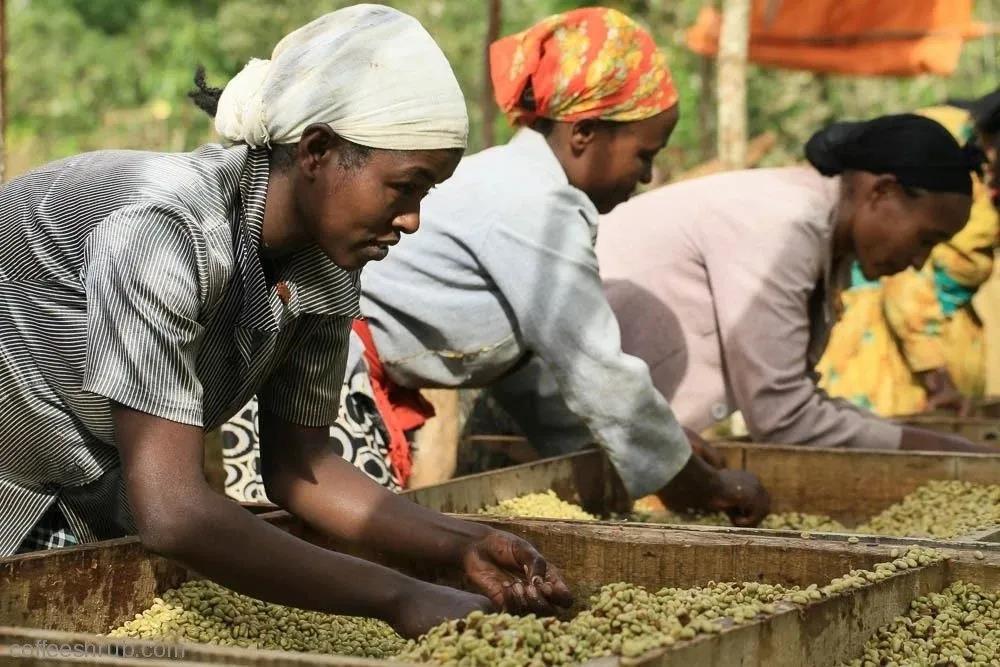
For more information on coffee beans, please follow Coffee Workshop (Wechat official account cafe_style) the Yegashafi producing area of Ethiopia includes many cooperatives, large and small, coffee cooperatives are not-for-profit organizations, all participate voluntarily, and the aim is to make it easier for members to have access to resources when producing or serving coffee. Although Yega Xuefei is numerous.

Characteristics of altitude taste in Essex plus Sheffield Coffee producing area description of brewing flavor of coffee beans in Edido cooperative
Professional coffee knowledge exchange more coffee bean information please follow the coffee workshop (Wechat official account cafe_style) since the implementation of the Ethiopian commodity exchange (EXC) exchange system in 2008, most raw coffee beans have been sold through competitive bidding under this system, but cooperatives are not within this jurisdiction.

How is Ethiopian coffee traded? introduction to the price of Ethiopian coffee beans.
For more information on coffee beans, please follow coffee workshops (Wechat official account cafe_style) according to the Ethiopian decree, there are three coffee export systems, (1) the largest privately owned processing plant system for export through competitive ECX, (2) the cooperative system, and (3) the single farm system. In these three systems, cooperatives and single manors are not thorough.

Starbucks Coffee-Rwanda Sholi Shuli Cooperative Story Information Coffee classroom label significance
Professional coffee knowledge exchange more coffee bean information please follow coffee workshop (Wechat official account cafe_style) STARBUCKS RESERVE RWANDA SHOLI about coffee bean label pattern label inspired by the spirit of mutual help between coffee cooperatives and cooperatives run by women. The image of connecting hands is depicted in the design to praise this beautiful and meaningful