
"Copacabana"
51 article(s) found
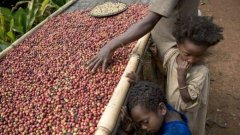
Lake Titicaca in Bolivia: water washing, iron washing, Pica boutique coffee beans, origin, development, history and culture
The advantage of Bolivian coffee lies in its high altitude and excellent varieties of coffee, where the traditional Tibica and a small amount of Kaddura are highly valued in the world market. In the past, coffee trees in Bolivia used to act as hedges and ornaments around the garden. Real commercial production began in the early 1950s. The great frost in 1957 seriously damaged Pakistan.

Bolivia's Lake Titicaca tapping small farmers wash iron Pica boutique coffee bean varieties planting market price
Variety: iron pickup producer: tapper Gabbana small farmer flavor: dry aroma of roasted nuts and almonds, oranges and white pomelo are rich in coffee beans in South America, Bolivia is no exception, parts of Bolivia have a unique tropical rain forest environment, it provides excellent natural conditions for the growth of organic coffee. The aroma of Bolivian coffee is rich and unique, whether it is the aroma of ground beans or

Suggestions on hand-flushing parameters of Titicaca Fine Coffee beans in Lake Titicaca, Bolivia
For the exchange of professional baristas, please follow the coffee workshop (Wechat official account cafe_style) in Bolivia. 15g powder, medium grinding (small Fuji ghost tooth cutter 4 grinding), v60 filter cup, 88-89 degrees water temperature, 30g water injection for the first time, steaming for 27 seconds, water injection to 105g water cut off, wait for the powder bed water to drop to half and then water injection, slow water injection until 225g water, the end section is not
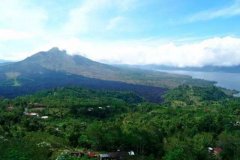
The story and story of Lake Titicaca in Bolivia tapping small farmers to wash iron and Pica boutique coffee beans.
Professional baristas Please pay attention to the Coffee Workshop (Wechat official account cafe_style) Bolivian coffee has the advantages of high altitude and excellent coffee varieties, where the traditional Tibica and a small amount of Kaddura are highly regarded on the world market. In the past, coffee trees in Bolivia used to act as hedges and ornaments around the garden. Real commercial production comes from

Flavor description of Bolivian Coffee production area
The coffee producing area Yungas Yungas, located in the Andean hills just east of La Paz, is a rugged agricultural area. The road to Yangas is rugged and dangerous, making it difficult to transport coffee. But despite the above disadvantages, the coffee in this area is very unique because of its unique microclimate and incredible altitude. The highest altitude in the world

Introduction of Bolivian Coffee Variety with dry aroma of almonds
Takesi Manor in the Mururata mountains of Sud Yungas, about 100km from the capital La Paz, can only be reached by the Inca ancient road. Here, it is still a branch of the Andes, and the manor belongs to the Agrotakesi SA institution. The whole farm has about 2500 hectares, about 1900 to 3000 meters above sea level. Takesi, which grows coffee, is as high as 2100 meters above sea level, which should be a rare high sea.

How much is Bolivian coffee?
Professional barista communication, please pay attention to coffee workshop (Weixin Official Accounts cafe_style ) Bolivia coffee overall taste rich and balanced, in addition to the good sour taste there is a light chocolate flavor, smooth taste is more smooth feeling, in contrast bitter taste is not obvious. The aftertaste of coffee is very good. After drinking, the sweet taste in the mouth lingers. The coffee brings
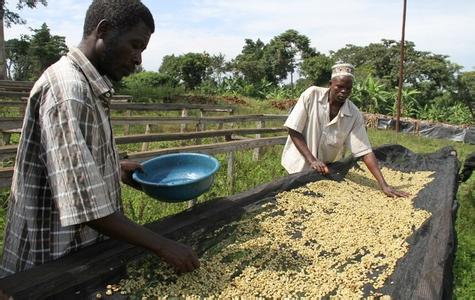
An introduction to the coffee flavor characteristics of Lake Titicaca coffee in Bolivia, the highest in South America.
Producing area: baking degree of Lake Titicaca: moderate baking method: washing variety: iron pickup producer: tapper Gabbana small farmer flavor: dry aroma of roasted nuts and almonds. Lake Titicaca of orange and pomelo is located on the Coaya Plateau on the border of Bolivia and Peru. it is the highest and largest freshwater lake in South America and the largest freshwater lake in the world.

Does Bolivian coffee taste good by hand? How do you cook it? Bolivian Coffee Hauvignon Manor Organic Water
Professional coffee knowledge exchange more coffee bean information please follow the coffee workshop (Wechat official account cafe_style) hand-made Bolivian coffee tastes good? How would you like it cooked? What is the flavor of organic washed beans in Bolivian Coffee Hauvignon Manor? Flavor: clean and balanced, soft, sweet, fine acidity, caramel, milk chocolate, figs and cantaloupe Bolivia

Bolivia drinks correctly Bolivian coffee bean price
For professional baristas, please pay attention to the coffee workshop (Wechat official account cafe_style). South America is rich in coffee beans, and Bolivia is no exception. The unique tropical rain forest environment in some parts of Bolivia provides excellent natural conditions for the growth of organic coffee. The aroma of Bolivian coffee is rich and unique, whether it is the aroma of ground beans or the aroma of coffee produced.

Bolivian coffee taste and flavor characteristics of Bolivian coffee
The exchange of professional baristas please pay attention to the coffee workshop (Wechat official account cafe_style) varieties: iron card producer: Cabana small farmer flavor: roasted nuts and almonds, oranges and pomelos are rich in coffee beans in South America, and Bolivia is no exception. The unique tropical rain forest environment in parts of Bolivia provides excellent natural conditions for the growth of organic coffee.

Introduction to the characteristics of high-quality coffee beans with smooth texture in Bolivian coffee producing areas
The legal capital, the seat of the Supreme Court, with a population of 284000, 2790 meters above sea level. Founded in 1538, the city was formerly known as Chuquisaka. The city witnessed the first uprising in South America against Spanish rule in 1809. Bolivia declared its independence here in 1825 and became the capital in 1826. In 1839, it was renamed Sucre to commemorate the second president of Bolivia, General Antonio Jos é Sucre.

How does Bolivian coffee taste? how does Bolivian coffee brew?
For the exchange of professional baristas, please pay attention to the flavor of coffee workshop (Wechat official account cafe_style): dry aromas of roasted nuts and almonds, supple acidity of orange and white pomelo on the entrance, sweet caramel on the whole, smooth texture of firm fruit milk, cleanliness and balance, and attractive herbal aroma in finish. Bolivian coffee has a rich and unique aroma, regardless of

Does Bolivian coffee taste good? the method of making Bolivian coffee
The exchange of professional baristas please pay attention to the coffee workshop (Wechat official account cafe_style) varieties: iron card producer: Cabana small farmer flavor: roasted nuts and almonds, oranges and pomelos are rich in coffee beans in South America, and Bolivia is no exception. The unique tropical rain forest environment in parts of Bolivia provides excellent natural conditions for the growth of organic coffee.

Bolivian flavor describes which brand of Bolivian coffee is good.
Professional baristas Please pay attention to the Coffee Workshop (Wechat official account cafe_style) most of the coffee in Bolivia used to be of mediocre quality, but in recent years the production of boutique coffee has developed rapidly and there have been a lot of pretty good beans. In recent years, the COE (Cup of excellence) system, which was first implemented in Brazil, has gradually become popular, and Bolivia has also introduced this system.

What are the steps of Bolivian coffee brewing for Bolivian coffee brands
Professional baristas Please pay attention to the Coffee Workshop (Wechat official account cafe_style) Bolivian coffee has the advantages of high altitude and excellent coffee varieties, where the traditional Tibica and a small amount of Kaddura are highly regarded on the world market. In the past, coffee trees in Bolivia used to act as hedges and ornaments around the garden. Real commercial production comes from

Bolivian coffee hand data how to drink Bolivian coffee
For the exchange of professional baristas, please follow the coffee workshop (Wechat official account cafe_style) in Bolivia. 15g powder, medium grinding (small Fuji ghost tooth cutter 4 grinding), v60 filter cup, 88-89 degrees water temperature, 30g water injection for the first time, steaming for 27 seconds, water injection to 105g water cut off, wait for the powder bed water to drop to half and then water injection, slow water injection until 225g water, the end section is not

Bolivian coffee producing areas introduce how to brew Bolivian coffee.
For the exchange of professional baristas, please follow the coffee workshop (Wechat official account cafe_style) in Bolivia. 15g powder, medium grinding (small Fuji ghost tooth cutter 4 grinding), v60 filter cup, 88-89 degrees water temperature, 30g water injection for the first time, steaming for 27 seconds, water injection to 105g water cut off, wait for the powder bed water to drop to half and then water injection, slow water injection until 225g water, the end section is not

How about Bolivian coffee beans? flavor description characteristics of producing area information
For professional baristas, please pay attention to the coffee workshop (Wechat official account cafe_style). South America is rich in coffee beans, and Bolivia is no exception. The unique tropical rain forest environment in some parts of Bolivia provides excellent natural conditions for the growth of organic coffee. The aroma of Bolivian coffee is rich and unique, whether it is the aroma of ground beans or the aroma of coffee produced.

How does Bolivian coffee come from? how do Bolivian coffee beans grade?
Communication of professional baristas Please pay attention to the coffee workshop (Wechat official account cafe_style) the overall taste of Bolivian coffee is rich and balanced, in addition to the beautiful sour taste, there is also a light chocolate flavor, the smooth taste is more smooth, compared with the bitter taste is not obvious. The aftertaste of the coffee is very good, and the sweet taste in the mouth lingers after drinking it.