
"Cyan"
534 article(s) found

Selection of coffee beans introduction to defective beans in coffee roasting
Moldy beans: because of incomplete drying, or damp in the process of transportation and storage, cyan and white molds grow, which sometimes make the beans stick together. If these moldy beans are not removed, they will produce moldy smell. Dead beans: beans with abnormal results. The color is not easy to change because of baking, so it is easy to distinguish. The flavor is thin, as harmful as silver skin, and will become a peculiar smell.
Basic knowledge of boutique coffee introduces several kinds of coffee defective beans
Moldy beans: because of incomplete drying, or damp in the process of transportation and storage, cyan and white molds grow, which sometimes make the beans stick together. If these moldy beans are not removed, they will produce moldy smell. Dead beans: beans with abnormal results. The color is not easy to change because of baking, so it is easy to distinguish. The flavor is thin, as harmful as silver skin, and will become a peculiar smell.

Flavor description of sun-washed and semi-washed Mantenin coffee beans A brief introduction to the grinding scale of taste treatment
Flavor description of sun-washed and semi-washed Mantenin coffee beans A brief introduction to the grinding scale of sun-washed and semi-washed coffee the water content of washed coffee is 12% 13%, while that of dry coffee is 11% 12%. General coffee beans show different colors due to their different water content, with higher water content being green or cyan, and less brown or near white. Therefore, the washed coffee beans show a deeper appearance.
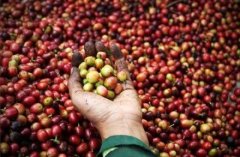
Common sense of defective beans affecting the flavor of high-quality coffee
Moldy beans: cyan and white bacteria grow because they are not completely dry or are too wet during transportation and preservation, which will make the whole cup of coffee mildew if mixed into roasting and grinding. Fermented beans: there are two main causes: one is the process of soaking in a washing fermentation tank, which is formed by water pollution, and the other is that the moisture in the warehouse makes it ferment and make the beans.

High-quality coffee beans defective beans in coffee baking
Moldy beans: because of incomplete drying, or damp in the process of transportation and storage, cyan and white molds grow, which sometimes make the beans stick together. If these moldy beans are not removed, they will produce moldy smell. Dead beans: beans with abnormal results. The color is not easy to change because of baking, so it is easy to distinguish. The flavor is thin, as harmful as silver skin, and will become a peculiar smell.
Which are the defective beans that affect the flavor of high-quality coffee?
Moldy beans: cyan and white bacteria grow because they are not completely dry or are too wet during transportation and preservation, which will make the whole cup of coffee mildew if mixed into roasting and grinding. Fermented beans: there are two main causes: one is the process of soaking in a washing fermentation tank, which is formed by water pollution, and the other is that the moisture in the warehouse makes it ferment and make the beans.

Basic knowledge of boutique coffee beans introduction to several kinds of coffee defective beans
Moldy beans: because of incomplete drying, or damp in the process of transportation and storage, cyan and white molds grow, which sometimes make the beans stick together. If these moldy beans are not removed, they will produce moldy smell. Dead beans: beans with abnormal results. The color is not easy to change because of baking, so it is easy to distinguish. The flavor is thin, as harmful as silver skin, and will become a peculiar smell.

Selection of coffee beans
In short, when choosing green coffee beans, beans with uniform shape, thickness, size, color, center line and so on are the best. In short, an average bean is a good bean. Unfortunately, such beans are extremely rare.

What are the coffee cups in the cafe? how many coffee cups should the coffee shop prepare?
Professional barista Communication Please follow Coffee Workshop (Wechat official account cafe_style) provides a true story to tell you how to run a coffee shop: Zhang Mei was originally a full-time wife, but then she was bored at home because her children were older, so with the support of her husband, she opened a coffee shop. In the course of her business, she felt very strange, and every time she passed the test.
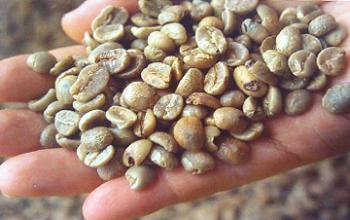
Detailed introduction of coffee beans: introduction of the classification characteristics and shapes of several kinds of defective beans
Coffee training several kinds of defective beans introduce moldy beans: because of incomplete drying, or damp during transportation and storage, cyan and white molds grow, which sometimes make the beans stick together. If these moldy beans are not removed, they will produce a moldy smell. Dead beans: beans with abnormal results. The color is not easy to change because of baking, so it is easy to distinguish. The flavor is thin, with silver skin

Are parchment coffee beans wrapped in exocarp?
Parchment coffee beans refer to the beans wrapped in the exocarp? how to distinguish between washed coffee beans and sun-washed beans? the water content of coffee washed beans is higher, while the water content of sun-dried beans is relatively low. General coffee beans show different colors due to their different water content, with higher water content being green or cyan, and less brown or near white. So water-washed coffee

Blue Mountain Coffee what is the real Blue Mountain Coffee Blue Mountain Coffee Price Blue Mountain Coffee beans
Professional coffee knowledge exchange more coffee bean information please follow the coffee workshop (Wechat official account cafe_style) Qianjie Coffee teaches you how to distinguish between true and false Blue Mountains? 1, appearance: the raw beans of Blue Mountain Coffee are cyan, the appearance is very neat, the size is medium to small, the ends are warped up, the volume increases a lot after baking, very full. 2, grinding beans: the real Blue Mountain Coffee beans

Which taste is better, big or small?
Production sites rated large coffee beans higher according to size. It is also said that the grading of the sieve size (coffee bean size) has nothing to do with French taste. The Nordic countries, which are now coffee advanced countries, purchase the most advanced coffee beans from Brazil and other places, mainly buying small particles of beans with sieve size 13-16. They avoid buying expensive, big beans and buy cheap, small beans instead.

Which is better, the water system or the sun-dried coffee beans? Introduction of variety characteristics of flavor description treatment method
Which is better, the water system or the sun-dried coffee beans? Flavor description method Variety characteristics introduction Water content of washed coffee is 12%-13%, while that of dry coffee is 11%-12%. General coffee beans show different colors due to their different water content, with higher water content being green or cyan, and less brown or near white. Therefore, the washed coffee beans show a better performance.

Sowing and harvesting of Coffee
Coffee harvesting (1) hand picking: with the exception of Brazil and Ethiopia, most Arabica coffee producing countries use hand picking. Hand picking involves not only picking ripe bright red coffee fruits, but also sometimes along with immature cyan coffee fruits and branches, so these immature beans are often mixed with refined coffee beans, especially when refined by natural methods. Such as
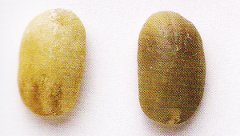
How to choose coffee beans by hand
Apples don't taste different because of size, which I agree with, but in the roasting of coffee beans, it doesn't matter if they're heated anyway. Coffee beans harvested from the same tree, regardless of size
Which coffee common sense belongs to the defective beans that affect the flavor of high-quality coffee?
Moldy beans: cyan and white bacteria grow because they are not completely dry or are too wet during transportation and preservation, which will make the whole cup of coffee mildew if mixed into roasting and grinding. Fermented beans: there are two main causes: one is the process of soaking in a washing fermentation tank, which is formed by water pollution, and the other is that the moisture in the warehouse makes it ferment and make the beans.
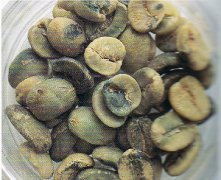
Fine coffee what are the defective beans in coffee beans?
Next, I would like to introduce several kinds of defective beans. Moldy beans: because of incomplete drying, or damp in the process of transportation and storage, cyan and white molds grow, which sometimes make the beans stick together. If these moldy beans are not removed, they will produce moldy smell. Dead beans: beans with abnormal results. The color is not easy to change because of baking, so it is easy to distinguish. Wind
Big or small beans, which taste better?
Production sites rated large coffee beans higher according to size. It is also said that the grading of the sieve size (coffee bean size) has nothing to do with French taste. The Nordic countries, which are now coffee advanced countries, purchase the most advanced coffee beans from Brazil and other places, mainly buying small particles of beans with sieve size 13-16. They avoid buying expensive, big beans and buy cheap, small beans instead.
What are the characteristics of defective coffee beans? factors that affect the flavor of high-quality coffee
Which are the defective beans that affect the flavor of high-quality coffee? Moldy beans: cyan and white bacteria grow because they are not completely dry or are too wet during transportation and preservation, which will make the whole cup of coffee mildew if mixed into roasting and grinding. Fermented beans: there are two main causes: one is the process of soaking in a washing fermentation tank, which is formed by water pollution.