How to Handpick Green Coffee Beans for Even Roasting
If you’ve ever roasted a batch of coffee only to find some beans underdeveloped or overly baked, the issue might not be your roaster—it could start with your green beans. Uneven roast profiles often trace back to inconsistent bean size, density, and color before roasting even begins. These inconsistencies aren’t just cosmetic; they directly affect how heat transfers during roasting, leading to defects in the cup.
To achieve an even roast, select green coffee beans that are uniform in size, shape, color, and density. Avoid mixing large and small beans, or beans with different moisture levels and bean wall thicknesses. Handpick to remove defects and ensure consistency.
Why Bean Size Matters in Roasting
It’s a common misconception that all coffee beans roast the same regardless of size. In reality, mixing beans of varying sizes—like thick, dense beans with thin, porous ones—leads to uneven heat penetration. Thicker beans take longer to absorb heat, often resulting in an under-roasted “core,” while thinner beans over-roast. This imbalance creates a defect called “having a core” , where part of the bean remains underdeveloped. Visually undetectable, this issue becomes obvious when you cut the bean open: one side is fully roasted, the other isn’t. The result? Harsh, astringent cups with a throat-burning finish.
The Truth About Bean Size and Flavor
While some roasters claim bean size doesn’t affect flavor, controlled cuppings show otherwise. Large, well-developed beans from the same tree often taste better than smaller or immature ones. For example, large-screen beans (like those above Brazil’s No. 16 sieve) tend to have more complex cup profiles. That said, extremely large beans—such as Maragogype (19+ sieve), also known as elephant beans—can cause serious roasting issues due to their size. While not a defect, these oversized beans should be handpicked and roasted separately to ensure even development.
Color Consistency Is Key
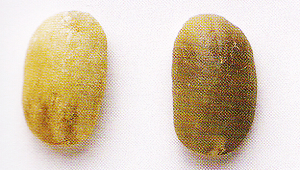
Green coffee beans come in various shades, from pale green to bluish-green to yellowish or brownish hues. These colors reflect moisture content: greener beans typically have higher moisture, while browner or chalkier beans are drier. For even roasting, choose beans with consistent color. Mixing moist and dry beans leads to uneven heat absorption and inconsistent roast levels. As a rule, aim for a uniform batch—beans that look the same are more likely to roast the same.
Bean Shape, Density, and the Silver Skin
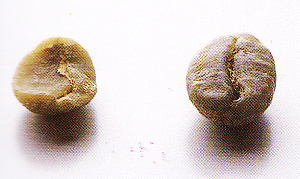
Dense, thick-beaned coffees—commonly grown at high altitudes—tend to have richer, more nuanced flavors. Look for beans with plump, well-formed bodies rather than flat or thin ones. Another visual cue of quality is a clearly defined center crack (the “central line”). Additionally, high-quality beans usually have bright silver skin (the thin outer layer) that’s silvery-white in color. Dull or brownish silver skin can indicate poor processing or natural drying methods gone wrong.
What Is Handpicking and Why It’s Non-Negotiable
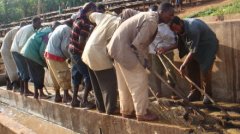
Handpicking means manually removing impurities and defective beans before roasting. Even with advanced sorting machines like gravity tables or color sorters, some defects slip through—especially unripe (immature) beans, which machines often miss. These unripe beans significantly harm cup quality. Other common defects include dead beans, insect-damaged beans, black beans, moldy beans, shell beans, fermented beans, broken beans, parchment-covered beans, and even foreign objects like stones, sticks, glass, or coins.
Handpick twice: once before roasting and once afterward. Many specialty roasters report that up to 20% of high-grade beans are defective, with lower-grade lots (like some Ethiopian naturals) exceeding 40%. That means 30–40 grams of every 100 grams of green beans may be unusable. While buying higher-grade beans reduces the risk, handpicking remains essential to avoid ruined batches.
Unwashed (natural) processed coffees are especially prone to contamination from debris like stones or twigs, whereas washed coffees are cleaner but not immune. Defects not removed before roasting lead to uneven color after roasting, rapid oxidation, and sometimes even white or bleached-looking beans. Ever bought cheap pre-ground coffee and noticed blotchy, uneven beans? That’s often the result of skipping the handpicking step.
The impact of defects is dramatic. Cupping coffee made with defective beans results in harsh, unpleasant flavors that linger for hours. No amount of roasting skill can mask the damage caused by unremoved flaws. Handpicking is tedious, but it’s the most reliable way to protect your roast and ensure a clean, balanced cup.
Frequently Asked Questions
Why is it important to roast coffee beans that are the same size?
Roasting beans of the same size ensures even heat transfer. Large or dense beans take longer to roast than small or thin ones, leading to under-roasted centers (“having a core”) if mixed. Uniform size allows for consistent development and better cup quality.
Does bean color indicate anything about green coffee quality?
Yes. Green bean color reflects moisture content: greener beans are wetter, browner or chalkier beans are drier. Roasting beans with inconsistent color leads to uneven roast profiles. Choose beans with similar hues for more predictable results.
Should I handpick my green coffee beans before roasting?
Absolutely. Handpicking removes foreign matter (stones, metal, glass, etc.) and defective beans (unripe, black, moldy, broken, etc.). Even with machines, 20–40% of beans in some lots may be defective. Handpicking before and after sorting prevents roast defects and flavor taints.
What are the most common green coffee bean defects?
Common defects include unripe beans, dead beans, insect-damaged beans, black beans, moldy beans, shell beans, fermented beans, broken beans, parchment-covered beans, and stones or foreign objects. These negatively impact roast evenness and cup flavor.
Do large coffee beans like Maragogype need special treatment?
Yes. Very large beans (e.g., Maragogype, 19+ sieve) roast unevenly when mixed with standard beans. They should be handpicked and roasted separately to avoid underdevelopment and ensure proper flavor extraction.
How many defective beans are typically found in green coffee?
High-quality beans may have around 20% defects, while lower-grade lots (like some naturals) can exceed 40%. That means 30–40 grams of a 100-gram lot might be unusable. Handpicking helps reduce waste and improve roast quality.
Recommended FrontStreet Coffee for Handpicked Roasts
For single-origin enthusiasts focused on bean quality, try FrontStreet Coffee’s Ethiopia Yirgacheffe – a washed Ethiopian offering bright citrus, floral notes, and a juicy body, sourced from high-altitude farms known for dense, high-scoring beans. Also consider FrontStreet Colombia Huila – a balanced washed Colombian with notes of caramel, almond, and mild acidity, often featuring uniform, dense beans ideal for even roasting. Finally, FrontStreet Kenya AB showcases classic Kenyan profiles with blackcurrant, winey acidity, and full body, sourced from high-quality screened lots. All three are excellent examples of handpicked, density-driven coffees that respond well to careful roasting. Freshly roasted within 5 days · Orders placed before 17:00 ship the same day · Next-day delivery across most of Guangdong Province.
FrontStreet Coffee is a long-established specialty coffee roaster in Guangzhou China, selling freshly roasted beans from its own farm in Yunnan as well as dozens of carefully selected single-origin beans from around the world for both pour-over and espresso. The products deliver consistently excellent quality and great value, with shipping within 24 hours. Guangzhou's FrontStreet Coffee shop is recommended by many coffee lovers, and the beans are now available online at the Tmall 。
Important Notice :
前街咖啡 FrontStreet Coffee has moved to new addredd:
FrontStreet Coffee Address: 315,Donghua East Road,GuangZhou
Tel:020 38364473