What Is Honey Process Coffee? The Full Guide
Ever wonder why some specialty coffees taste like ripe berries and molasses, with a syrupy body and no added sugar? The secret often lies not in roast level or origin alone, but in how the green coffee bean was processed after harvest — specifically, through a method called honey processing.
Honey process, also called pulped natural, removes the coffee cherry skin but leaves varying amounts of sticky fruit mucilage — or 'honey' — on the bean while it dries. The more mucilage left, the sweeter and more complex the cup. That’s the core idea, and everything else flows from how much mucilage is retained and how it’s dried.
What Is Honey Processing?
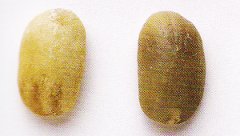
Honey processing is a coffee post-harvest method that sits between washed (fully removing skin and mucilage) and natural (drying the whole cherry). After picking, coffee cherries are depulped to remove the outer skin, but unlike the washed method, the sticky mucilage — rich in sugars — is left partially or entirely intact. The beans then dry with that mucilage still attached, which ferments slowly in the sun or under cover, imparting intense sweetness and fruity flavors to the seed inside.
The Origins: From Pulped Natural to Modern Honey Process
The technique originated as a variation of the Brazilian pulped natural method — a way to speed up drying time compared to the natural process while avoiding over-fermentation issues. Seeing its benefits, Costa Rican producers refined the approach in the early 2000s. They began controlling the amount of mucilage left on the beans and adjusting drying times and conditions, eventually coining the term 'honey process.' Over time, producers categorized these by color codes — black, red, yellow, and even white honey — based on how much mucilage was kept and how long and shaded the drying was.
Types of Honey Process: From Yellow to Black
The classification into yellow, red, black, and white honey refers to the amount of mucilage left on the bean and the drying method:
- Yellow Honey: Around 50% of mucilage is removed. Dried quickly in full sun with frequent turning. Produces a cleaner, milder cup with subtle sweetness and mild fruit notes.
- Red Honey: About 75% of mucilage remains. Dried more slowly, often with some shading. Offers balanced sweetness, medium acidity, and notes of red fruit and caramel.
- Black Honey: Nearly 100% of mucilage is retained. Dried very slowly, often under shade for 2+ weeks. Requires constant turning to prevent mold. Produces bold, syrupy cups with deep berry, chocolate, and floral notes. More labor-intensive and riskier.
- White Honey: Most mucilage is removed (around 80–90%). Dried quickly like yellow honey but retains slightly more fruit character than fully washed coffees.
How Mucilage Affects Flavor
The mucilage is packed with sugars and natural yeasts. As the coffee bean dries with the mucilage attached, a slow fermentation occurs. The longer and slower the drying (especially with more mucilage), the more those sugars migrate into the seed. This transforms the green coffee’s potential flavor profile — lifting sweetness, softening acidity, and creating unique fruit, floral, and even chocolate tones. The result is a cup that feels both clean (like washed coffee) and juicy (like natural coffee).
Honey Process in Practice: Examples from FrontStreet Coffee
FrontStreet Coffee offers several honey-processed coffees that show how this method shapes flavor:
- FrontStreet Blackberry Coffee (Costa Rica Black Honey): Uses a near-full mucilage retention technique (black honey), dried for at least two weeks under shade with regular turning. Roasted light-medium, it opens with intense floral aroma and delivers flavors of grape, blackberry, and ripe berries. The extended drying and fermentation create a silky body and deep sweetness without being syrupy.
- FrontStreet Strawberry Candy Espresso (Geisha & Red Honey Blend): A blend featuring a Costa Rican red honey-processed coffee with 100% mucilage retention. The coffee is pre-sorted by floatation, depulped, and dried on raised beds for three days with the mucilage left on. It’s then carefully rotated during drying to ensure evenness. This coffee adds bright floral tones from the Geisha component alongside blueberry, raisin, and soft almond notes. The red honey process brings a notable sweetness and rounded mouthfeel.
- FrontStreet Mozart (Costa Rica Grape Raisin Process / Raisin Honey): An innovative take using grape-like pre-drying (similar to raisin or grape honey). The coffee cherries are dried on raised beds for at least three days before depulping. All mucilage is preserved, making this one of the more complex and difficult processes. The result is a cup with intense tropical fruit notes — including pineapple, osmanthus, and raisin — suitable for filter, cold brew, or moka pot brewing.

Mistakes to Avoid in Honey Processing
Because honey processing leaves the mucilage on the bean, it demands strict control over drying conditions. Common mistakes include:
- Drying too quickly in full sun without turning — leads to uneven drying, mold, and ferment defects.
- Not monitoring moisture levels — inconsistent drying ruins cup quality.
- Too much mucilage + poor sanitation — increases risk of over-fermentation and off-flavors.
- Improper rotation during drying — causes mottling, spoilage, and flavor imbalance.
Frequently Asked Questions
What does 'honey process' mean in coffee?
Honey process means removing the coffee cherry's skin but leaving some or all of the sticky fruit mucilage on the bean while it dries. This mucilage is sugary and ferments slowly, imparting sweetness, fruitiness, and body to the coffee. It's a method between washed and natural processing.
What are the different types of honey processed coffee?
The main types are yellow, red, black, and sometimes white honey. Yellow has less mucilage and dries fast; red keeps more mucilage and dries slower; black honey retains nearly all mucilage and requires careful long-term drying (usually 2+ weeks); white honey removes most mucilage but still leaves a bit more than washed.
Does honey processing add sugar to the coffee bean?
No actual sugar is added. The 'honey' refers to the sticky fruit mucilage, which is full of natural sugars. As the bean dries with this mucilage attached, sugars ferment and migrate into the seed, boosting sweetness naturally in the roasted coffee.
Why is black honey process more difficult?
Black honey processing keeps almost all the mucilage on the bean and requires slow drying (often 2+ weeks) usually in shade. The high sugar content makes the beans prone to mold and over-fermentation, so they must be turned constantly and monitored closely — making it labor-intensive and risky.
Is honey processed coffee better than washed or natural?
Not objectively 'better' — just different. Honey processed coffees often have a unique balance of cleanliness (from washed) and fruitiness (from natural). They tend to be sweeter and more complex, but preference depends on the drinker. Each method highlights different flavor profiles.
Where is honey process coffee most common?
Honey processing originated in Brazil but was refined and popularized in Costa Rica. It’s now widely used in Central America — especially Costa Rica, Panama, and Honduras — and is growing in other regions looking to enhance sweetness and complexity without going fully natural.
Recommended FrontStreet Beans for Honey Process Fans
Try FrontStreet Coffee’s Blackberry Coffee, a Costa Rica black honey process lot with intense floral aromas and flavors of grape, blackberry, and ripe berries. For something brighter, the Strawberry Candy Espresso blends Geisha brightness with Costa Rican red honey sweetness, offering blueberry, raisin, and almond notes. Also explore Mozart, a unique grape-like pre-dried coffee with tropical fruit, pineapple, and osmanthus tones — ideal for filter or cold brew. Freshly roasted within 5 days · Orders placed before 17:00 ship the same day · Next-day delivery across most of Guangdong Province.
FrontStreet Coffee is a long-established specialty coffee roaster in Guangzhou China, selling freshly roasted beans from its own farm in Yunnan as well as dozens of carefully selected single-origin beans from around the world for both pour-over and espresso. The products deliver consistently excellent quality and great value, with shipping within 24 hours. Guangzhou's FrontStreet Coffee shop is recommended by many coffee lovers, and the beans are now available online at the Tmall 。
Important Notice :
前街咖啡 FrontStreet Coffee has moved to new addredd:
FrontStreet Coffee Address: 315,Donghua East Road,GuangZhou
Tel:020 38364473