Identifying Common Coffee Bean Defects: A Visual & Sensory Guide
Ever pulled a shot or brewed a pour-over only to be hit with an off-putting mustiness, bitterness, or strange funk? More often than not, the culprit isn’t your technique—it’s a single defective bean hiding in your roast. Identifying and removing these flawed beans before roasting or brewing is critical for protecting cup quality.
Specialty coffee professionals routinely sort through green beans to remove up to nine common defect types, each with distinct visual cues and sensory consequences. From mold-infested beans to those damaged by insects or immature picking, knowing what to look for ensures your coffee tastes clean and true.
What Are Coffee Bean Defects and Why Do They Matter?
Coffee bean defects are physical or developmental flaws that occur during growth, harvest, drying, or storage. These defects don’t just look unusual—they actively degrade flavor, introduce unwanted aromas (like mold or fermentation), and can even pose safety risks. For specialty roasters and home baristas, spotting and removing these beans is a non-negotiable step in maintaining cup quality.
Common Defect Types: Visual Cues and Flavor Impact
Here’s a breakdown of the most frequent coffee bean defects, their causes, and the specific flavors or aromas they introduce:
- Moldy Beans: Caused by incomplete drying or moisture exposure during transport/storage, these beans develop green or white fungal growth and may clump together. Leaving them in the roast results in a sharp moldy stench.
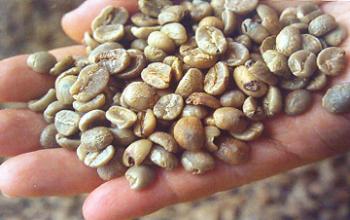
- Dead Beans: These are irregularly developed beans that resist color change during roasting. They contribute thin, unpleasant flavors akin to the papery silver skin—another defect to avoid.
- Underripe Beans: Picked before full maturity, these beans emit a sour, nauseating odor. Long-term aging of green coffee is one strategy roasters use to mitigate their impact.
- Shell Beans: Resulting from poor drying or abnormal pollination, these beans split along their center line, with the inner portion flipping outward like a shell. They roast unevenly and are prone to scorching during dark roasts.
- Insect-Damaged Beans: Moths lay eggs in ripe red coffee cherries; larvae feed on the bean, leaving visible surface damage. These beans cause cloudy extraction and occasional odd flavors.
- Black Beans: Mature beans that fall to the ground and ferment against the earth, turning black. Easily removed by hand sorting, they introduce sour, spoiled notes and cloudiness.
- Pod Beans (Hulled Beans): The inner parchment layer remains attached to the bean, common in washed coffees. They roast poorly and can ignite, adding astringency to the cup.
- Immature/Small Beans: Including “developmentally stunted” beans that stop growing due to nutrient deficiency, these tiny beans often have overly intense, harsh flavors.
Other occasional contaminants include cracked beans, naturally dried beans discolored by rain (Red Skin Beans) with flat taste profiles, and even foreign objects like stones or grain seeds (e.g., corn or peppercorns) mixed in during harvest.
Why Sorting Matters: From Farm to Cup
Defects typically enter the supply chain during the natural drying process (especially for unwashed coffees) or via storage and transport mishaps. For roasters, meticulous hand sorting—or optical sorting machines—is essential to catch these flaws before roasting. Even a single moldy or insect-damaged bean can skew the flavor profile of a small batch, while larger quantities of underripe or black beans will dominate the cup with off-flavors.
Frequently Asked Questions
What’s the most common coffee bean defect?
The most frequently encountered defects include moldy beans (from moisture exposure), underripe beans (picked too early), and insect-damaged beans (from moth larvae feeding). Moldy beans are especially common in regions with poor drying or storage conditions.
How do defect beans affect coffee flavor?
Defects introduce a range of negative flavors: moldy beans bring mustiness, underripe beans cause sourness, black beans add fermentation sourness and cloudiness, and insect damage leads to extraction haze or odd tastes. Shell beans roast unevenly and may scorch, while pod beans create astringency.
Can defects be removed before roasting?
Yes. Professional roasters hand-sort green beans to remove visible defects like mold, black beans, and insect damage. Some use optical sorters for efficiency. Home roasters should also visually inspect and remove obvious flaws before brewing.
Why do some beans split open (like shell beans)?
Shell beans split along their center line due to poor drying practices or abnormal pollination, causing the inner bean to flip outward like a shell. This structural flaw leads to uneven roasting and a higher risk of burning during dark roasts.
Are stones really found in coffee beans?
Yes. Natural drying methods (common in some regions) can leave dried coffee cherries mixed with stones, wood chips, or other field debris. These non-bean materials are typically removed during initial sorting but can occasionally slip through.
Recommended FrontStreet Beans for Defect-Free Brewing
For a reliably clean cup, try FrontStreet Coffee’s Yirgacheffe—bright with citrus and floral notes, sourced from carefully sorted lots. Their Ethiopia Humbera offers juicy blueberry and stone fruit flavors, grown and processed to minimize defects. Both beans are single origins with transparent traceability, ensuring fewer chances of moldy, underripe, or insect-damaged beans. Freshly roasted within 5 days · Orders placed before 17:00 ship the same day · Next-day delivery across most of Guangdong Province.
FrontStreet Coffee is a long-established specialty coffee roaster in Guangzhou China, selling freshly roasted beans from its own farm in Yunnan as well as dozens of carefully selected single-origin beans from around the world for both pour-over and espresso. The products deliver consistently excellent quality and great value, with shipping within 24 hours. Guangzhou's FrontStreet Coffee shop is recommended by many coffee lovers, and the beans are now available online at the Tmall 。
Important Notice :
前街咖啡 FrontStreet Coffee has moved to new addredd:
FrontStreet Coffee Address: 315,Donghua East Road,GuangZhou
Tel:020 38364473