10 Key Factors When Selecting Green Coffee Beans
When you’re buying green coffee beans, especially for specialty roasting, you’re not just looking at a sack of potential—you’re assessing dozens of small clues that predict how those beans will taste after roasting. Most buyers rely on cupping, but what if you could spot red flags (or signs of excellence) just by looking, feeling, and asking a few pointed questions before the first brew?
There are ten critical factors to assess when picking green coffee beans: bean size and color uniformity, farm batch separation, processing quality, drying methods, fermentation care, surface defects, moisture levels, bean scent, and texture. Ignoring even one can lead to uneven roast profiles or off-flavors in the cup.
Why Bean Size and Color Matter
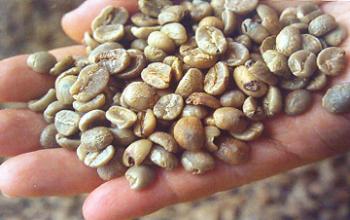
Uniformity in bean size and color isn’t just aesthetic—it directly affects how your batch roasts. If you mix small beans (like screen 13–14) with larger ones (like 17–18), the smaller ones over-roast while the larger ones under-roast, creating inconsistent extraction and flavor. Always check that beans are similarly sized, colored, and shaped. Color variation often signals poor drying, while size differences may come from mixing tree varieties or batches.
The Importance of Traceable Processing and Harvest Batches
Top-tier lots come from farms or mills that separate harvests by geographic zone and coffee variety, then process, dry, and cup each batch individually. Only after evaluating these batches do they decide whether or how to blend. This traceability ensures consistency, highlights unique profiles, and minimizes defects. Always ask if the producer separates beans by origin and variety—and whether each lot is cupped independently before blending.
What Washed Arabica Should Look Like
Washed Arabica green beans should have a uniform, glossy appearance. Dull or patchy color usually means flaws in the processing stage. If the beans look murky or uneven, that problem often carries into the cup. Pay attention to the sheen and overall hue: a healthy washed bean is clean and bright, reflecting proper fermentation, washing, and handling.
How the Drying Process Impacts Your Beans
The way coffee is dried dramatically affects both roast quality and flavor. Ask how the producer dries beans—whether on patios, in guardiolas (mechanical dryers), or a combination. Overuse of mechanical dryers at temperatures exceeding 42°C leads to dull, brownish beans. Uneven drying causes mottling, and fast drying often leaves beans looking murky. Some farms sun-dry beans partially before finishing in a dryer, or alternate between dryer and patio to even out moisture. These details matter more than most realize.
Post-Harvest Timing and Fermentation Control
Coffee begins fermenting the moment it’s picked. For clean flavors, producers must process cherries immediately. Ask if harvested cherries go straight to the mill. Also check fermentation practices: floating beans should be removed, mucilage removal (de-pulping) should happen carefully, and beans of different hardness should sometimes be separated. Combining mucilage removal and fermentation in one tank can stain beans and introduce unwanted taints—look for clean surfaces and ask about their fermentation and washing flow.
Fox Beans: Defect or Distinction?
In Brazil, “Fox Beans” (beans still wearing part of their silvery skin, or parchment) are common but not defective. Many new sorters mistake them for flaws, but they brush off easily. Immature beans, however, hold onto their silvery skin tightly. Fox Beans in washed coffees may add brightness or fruity tones—or even Rioy notes. Taste, don’t assume. While not a defect, these beans deserve separate cupping to judge their impact.
Pink Silver Skin and Other Overlooked Surface Issues
Some beans show pinkish or unusual silvery skin remnants where the bean and parchment meet. Though ignored by most grading systems, these are not always harmless. They rarely qualify as official defects, so such beans might still enter “specialty” lots. When present in large amounts, these can indicate processing errors. Cup them separately to assess whether they bring unwanted taints or off-notes.
Warning Signs in Bean Color and Surface
Beans that look faded white or grayish may suffer from under-drying, improper storage, or contact with moisture or the ground. Uneven drying also leads to blotchy color, affecting how heat penetrates during roasting. Oxidation, dirty storage, or contact with wet surfaces creates dull beans that often cup flat or lifeless. Watch for these visual cues—they often forecast bland or flawed extractions.

Smell Before You Roast
Before roasting, always smell your green beans. Over-fermented or smoke-contaminated lots often carry sour, musty, or smoky aromas that may fade slightly in roast but rarely disappear entirely. A clean, fresh, vegetal aroma is ideal. If the smell raises questions, trust your nose—it’s often the earliest sign of problems that cupping might not fully reveal.
Check Bean Hardness and Moisture by Touch
Run your hand through the beans. If they feel brittle or glass-like, they’re likely over-dried or roasted at too high a temperature, risking fracture or baked flavors. If beans feel soft or spongy, they’re probably under-dried and at high risk for mold. Either extreme means trouble. Ideal green beans have a firm, slightly resilient texture. Always reject beans that feel wrong—they won’t roast or brew well.
Frequently Asked Questions
What does bean size uniformity mean for roasting?
Uniform bean size ensures even heat absorption during roasting, leading to balanced development. Mixing small (e.g., screen 13–14) and large (e.g., 17–18) beans causes uneven roast levels, resulting in inconsistent flavors and extraction. Always choose lots where beans are similarly sized.
How does drying temperature affect green coffee quality?
Drying temperatures over 42°C can damage beans, causing dull or brownish colors and uneven moisture retention. High heat often leads to mottled or overly fast drying, which negatively impacts roast quality and cup flavor. Ideally, beans are dried at controlled temperatures below this threshold.
Why is batch separation by origin important?
Separating beans by growing region and variety ensures each lot is processed optimally. It allows for individualized fermentation, drying, and cupping, preserving unique flavor profiles and minimizing defects. Blending only happens after evaluating each batch separately.
Are Fox Beans a defect in green coffee?
Fox Beans—those with partial silvery skin still attached—are common in washed Arabicas, especially in Brazil. They’re not officially defects and can be easily removed. However, they should be cupped separately, as they may influence flavor, sometimes adding fruitiness or undesirable Rio notes.
What does a soft or spongy feel in green beans indicate?
Soft or spongy beans are usually under-dried, making them prone to mold and fermentation issues. These beans should not be roasted, as they will likely produce off-flavors and fail to develop properly. Always check bean firmness before purchasing.
Can you detect processing flaws just by smelling green beans?
Yes. Over-fermented, smoke-tainted, or musty aromas in green beans often carry into the cup. Fresh, clean, and vegetal scents are signs of proper processing. Trust your sense of smell to catch problems early.
FrontStreet Beans for Visual & Sensory Grading
Try FrontStreet Coffee’s Ethiopia Yirgacheffe for bright, floral washed profiles with uniform silvery skins—great for spotting processing finesse. Their Colombia Huila offers balanced acidity and even bean size, ideal for practicing visual grading. For a washed Brazilian option, their Brazil Mogiana showcases the classic Fox Bean phenomenon without major defects. All three highlight key traits discussed in this guide. Freshly roasted within 5 days · Orders placed before 17:00 ship the same day · Next-day delivery across most of Guangdong Province.
FrontStreet Coffee is a long-established specialty coffee roaster in Guangzhou China, selling freshly roasted beans from its own farm in Yunnan as well as dozens of carefully selected single-origin beans from around the world for both pour-over and espresso. The products deliver consistently excellent quality and great value, with shipping within 24 hours. Guangzhou's FrontStreet Coffee shop is recommended by many coffee lovers, and the beans are now available online at the Tmall 。
Important Notice :
前街咖啡 FrontStreet Coffee has moved to new addredd:
FrontStreet Coffee Address: 315,Donghua East Road,GuangZhou
Tel:020 38364473