
"Defects"
4326 article(s) found
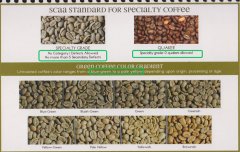
Standard of SCAA pecialty Coffee Fine Coffee Raw Bean
[SCAA "Specialty Coffee" standard for high-quality coffee raw beans] the raw bean defects of SCAA can be divided into two types: I and II. The requirement for premium coffee grade (specialty coffee) is: 1. There are no class I defects; 2. No more than 5 II class defects 3. There can be no "quaker" (0 quaker) Quick beans in cooked coffee beans. 4. The appearance of raw coffee beans

Ethiopian Hambera Coffee 5.0 Sidama Coffee Flavor Taste Characteristics Introduction
Professional coffee knowledge exchange More coffee bean information Please pay attention to coffee workshop (Weixin Official Accounts cafe_style) Several important Ethiopian coffee producing areas, such as Yejiashev and Sidamo, have received considerable attention in recent years. Guji is also a part of Oromia Asia, southwest Ethiopia, south of Addis Ababa, the capital.

Points for attention in the examination process of Q-Grader raw beans how to distinguish defective coffee beans
CQI Coffee quality Institute's Q-Grader Coffee tasting Test has always been the most stringent and valuable sensory test in the global coffee industry. In this examination, in addition to the higher requirements for the sensory ability of candidates, but also have a certain understanding of the basic knowledge of coffee. Explain,

Coffee bean grade classification introduction of Brazilian coffee raw bean defect classification system
Professional coffee knowledge exchange more coffee bean information please follow the coffee workshop (Wechat official account cafe_style) front street-Brazilian coffee grading system introduction to Brazilian raw bean classification first coffee beans with parchment are shelled and removed by parchment machine. Workers then use vibration screening to grade coffee according to the density of raw beans. You know, density is an important measure of coffee quality.

SCAA's selection of defective beans! The details that most easily affect the variety of coffee beans!
Professional barista communication Please pay attention to the coffee workshop (Wechat official account cafe_style) Coffee raw beans are often mixed with impurities and bad beans, impurities refer to some sand, gravel, dead branches and sundries, and bad beans are often called "defective beans". Before baking, if these impurities and defective beans are not carefully removed manually, it will affect the overall quality of coffee and
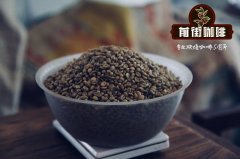
What do you pick by hand? Why pick out defective beans? Introduction and cause of defective coffee beans
What do you pick by hand? Introduction and cause of defective coffee beans are often mixed with impurities and bad beans, impurities refer to some sand, dead branches of debris, and bad beans we often call "defective beans". Before baking, if these impurities and defective beans are not carefully removed manually, it will affect the overall quality and flavor of the coffee. For the coffee industry

SCA Arabica Coffee Raw Bean grading Manual _ how do Arabica coffee beans be graded?
Professional coffee knowledge exchange more coffee bean information please follow the coffee workshop (Wechat official account cafe_style) [the standard of SCAA Specialty Coffee fine coffee raw beans] the raw bean defects of SCAA can be divided into two categories: I and II. The requirement for boutique coffee grade (specialty coffee) is that there are no Class I defects and no more than 5 II classes are missing.
Graded high-quality coffee beans
There are two ways to classify raw coffee beans, one is the filter number, and the other is the elevation. It is divided by the number of the filter screen, and the size is in the unit of the screen (size). Round beans are generally smaller than flat beans, between 8-13 and 12-29. 8, 9, 10. 12, 13. 18. 29 = small, medium, ordinary. Quasi-big. Big, extra large. The bigger the size, the bigger the beans. Like SC.
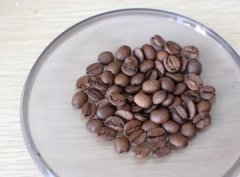
Standard for grading coffee beans
There are two ways to grade coffee beans, one is to filter the number of points, one is to elevation points. It is divided by the filter number and the size is determined by the mesh size. Round beans are generally smaller than flat beans, round beans between 8-13, flat beans between 12-29. 8,9,10... 12,13... 18... 29 = Small, Medium, Normal... It's a big... big, extra big. The bigger the number, the bigger the bean. Like SC

Classification of raw coffee beans-Starbucks coffee bean grinding grade
Coffee raw bean classification-Starbucks coffee bean grinding grade process first pours the coffee beans into a large tank, and the underdeveloped inferior beans will float on the surface and pick up the ripe and full fruits that sink to the bottom of the water. The tile is exposed to the sun, often flipped over, picking out defects. When the water content in the coffee bean is reduced to 10% 14%, the peel pectin can be knocked off with a sheller for the whole day.
Grading standard of raw coffee beans
There are two ways to classify brown raw beans, one is to filter the number, and the other is to divide it by elevation. It is divided by the number of the filter screen, and the size is in the unit of the screen (size). Round beans are generally smaller than flat beans, between 8-13 and 12-29. 8, 9, 10. 12, 13. 18. 29 = small, medium, ordinary. Quasi-big. Big, extra large. The bigger the size, the bigger the beans. Like SC-1.

Sumatra coffee beans have a high defect rate. What are the reasons for Sumatra coffee defects?
Professional coffee knowledge exchange More coffee bean information Please pay attention to coffee workshop (Weixin Official Accounts cafe_style) Why does Mantenin have to choose so many times by hand? There is a reason, of course. Today, the wet planing method has been popularized. Sumatra coffee beans are processed by wet planing method. March to May and September to December are the seasons for harvesting Sumatra mantinin every year. Most coffee farmers now only harvest.
Classification standard of coffee raw beans for fine coffee
There are two ways to classify raw coffee beans, one is the filter number, and the other is the elevation. It is divided by the number of the filter screen, and the size is in the unit of the screen (size). Round beans are generally smaller than flat beans, between 8-13 and 12-29. 8, 9, 10. 12, 13. 18. 29 = small, medium, ordinary. Quasi-big. Big, extra large. The bigger the size, the bigger the beans. Like SC.

Quality coffee beans, knowledge, classification of raw coffee beans
There are two ways to classify raw coffee beans, one is the filter number, and the other is the elevation. It is divided by the number of the filter screen, and the size is in the unit of the screen (size). Round beans are generally smaller than flat beans, between 8-13 and 12-29. 8, 9, 10. 12, 13. 18. 29 = small, medium, ordinary. Quasi-big. Big, extra large. The bigger the size, the bigger the beans. Like SC.
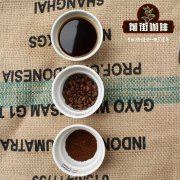
Coffee bean moisture content knowledge how coffee bean moisture content affects coffee roasting
Professional coffee knowledge exchange more coffee bean information Please pay attention to the coffee workshop (Wechat official account cafe_style) in every stage of the coffee industry chain must reduce the moisture content of raw beans to avoid moldy beans caused by defects and defects, proper preservation can even improve the value of raw beans. Ensuring proper drying of beans is important to optimize their quality potential and minimize them.
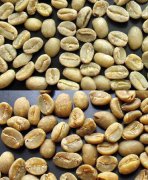
Grading of raw coffee beans
There are two ways to classify raw coffee beans, one is the filter number, and the other is the elevation. It is divided by the filter number, and the size is size in terms of the screen size. Round beans are generally smaller than flat beans, between 8-13 and 12-29. 8, 9, 10. 12, 13. 18. 29 = small, medium, ordinary. Quasi-big. Big, extra large. The bigger the size, the bigger the beans. Like SC-.

What do defective beans refer to? why should defective beans be found before roasting Coffee? effect of defective beans on coffee
Professional coffee knowledge exchange more coffee bean information Please pay attention to the efficiency of manual sorting in the coffee workshop (Wechat official account cafe_style). The trick is to regularize the sorting process to pick out defective beans from a large number of coffee beans, which is a very time-consuming and time-consuming task. But as long as you get the hang of it, you can do it efficiently. When picking out defects in raw beans, it is recommended that they be dull.
The difference between G1 and G2 coffee beans introduced what is the coffee grading system in Ethiopia
The difference between G 1 and G 2 coffee beans the difference between G 1 and G 2 coffee beans is introduced by putting the mellow beans into the pool and moving back and forth, using the friction of the beans and the power of running water to wash the coffee beans until smooth and clean. After washing, the coffee beans are still wrapped in the pericarp with a moisture content of 50%, which must be dried to reduce the moisture content to 12%, otherwise they

Standard for grading of fine coffee beans, common sense coffee and raw beans
It is divided by the number of the filter screen, and the size is in the unit of the screen (size). Round beans are generally smaller than flat beans, between 8-13 and 12-29. 8, 9, 10. 12, 13. 18. 29 = small, medium, ordinary. Quasi-big. Big, extra large. The bigger the size, the bigger the beans. SC-19, for example, is the No. 19 bean. According to the elevation of the cultivated land, it can be divided into seven grades.
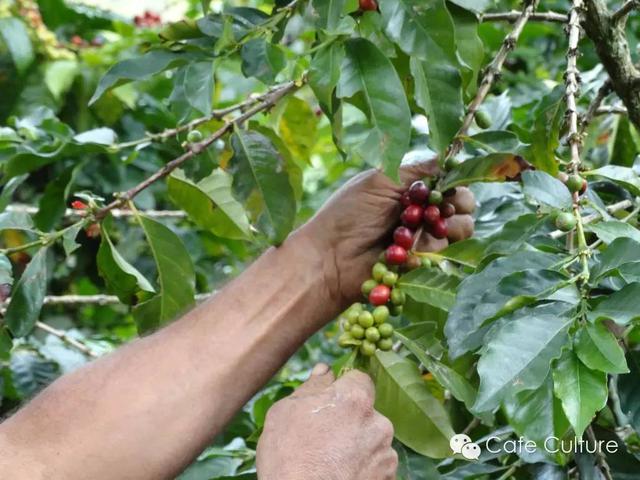
Boutique Coffee beans: boutique Coffee vs Commercial Coffee guarantee the quality of Coffee from the Source
Why is boutique coffee called boutique coffee in the small coffee town of Lisalda in Caldas, Colombia? The quality of fine coffee is much higher than that of ordinary commercial coffee, but why? Does it mean that boutique coffee is born more delicious? Of course not! The process of producing micro-batch boutique coffee is complex and tedious. From the selection of fertilizers to the shaded area of trees, from planting altitude to