
"Defects"
4326 article(s) found

Discuss several flaws to avoid when baking
There are several defects to avoid when baking. Unripe beans. Beans are small and difficult to color. Coke beans. The reason is that the temperature is too high when entering the beans, and the beans are burnt. Bean tail coke. After the beans into the drum temperature is too high, or too slow rotation. Center focus. Dehydration to a burst of excessive fire. Impact crater. The first explosion to the second explosion stage, the fire is too strong. Not fully baked beans. A burst just finished, but can be used for cup testing. Attention beans

Coffee knowledge| What is the Brazilian coffee classification system?
Professional coffee knowledge exchange More coffee bean information Please pay attention to coffee workshop (Weixin Official Accounts cafe_style) When it comes to Brazil, most people can think of football kingdom. Brazil is the largest country in South America and the fifth largest country in the world. Brazilian coffee is also very important in the world. Brazil's grading system is aimed at defect proportion, large

Flavor and taste characteristics of Rwandan coffee beans and its historical development what is the "potato defect"
The history of coffee bean production in Rwanda | what is the defect of potatoes? if a coffee bean is described as bright acidity, such as cranberries or grapefruit, flowers and sweet herbs such as chamomile, and sweet nuts such as almonds or macadamia nuts. Would you like to try this kind of coffee? So the editor will walk into Rwanda with you today. Let's get to know each other first.
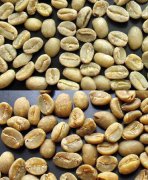
Classification of raw coffee beans in Coffee Encyclopedia
There are two ways to classify raw coffee beans, one is the filter number, and the other is the elevation. It is divided by the filter number, and the size is size in terms of the screen size. Round beans are generally smaller than flat beans, between 8-13 and 12-29. 8, 9, 10. 12, 13. 18. 29 = small, medium, ordinary. Quasi-big. Big, extra large. The bigger the size, the bigger the beans. Like SC-.
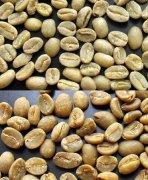
Grading of raw coffee beans there are two ways to grade raw coffee beans.
There are two ways to classify raw coffee beans, one is the filter number, and the other is the elevation. It is divided by the filter number, and the size is size in terms of the screen size. Round beans are generally smaller than flat beans, between 8-13 and 12-29. 8, 9, 10. 12, 13. 18. 29 = small, medium, ordinary. Quasi-big. Big, extra large. The bigger the size, the bigger the beans. Like SC-.

General knowledge of fine coffee beans grading of raw coffee beans
There are two ways to classify raw coffee beans, one is the filter number, and the other is the elevation. It is divided by the filter number, and the size is size in terms of the screen size. Round beans are generally smaller than flat beans, between 8-13 and 12-29. 8, 9, 10. 12, 13. 18. 29 = small, medium, ordinary. Quasi-big. Big, extra large. The bigger the size, the bigger the beans. Like SC-.

The standard of SCAA pecialty Coffee boutique coffee raw beans is necessary for a good cup of coffee.
The raw bean defects of SCAA can be divided into two types: I and II. The requirement for premium coffee grade (specialty coffee) is: 1. There are no class I defects; 2. No more than 5 II class defects 3. There can be no "quaker" (0 quaker) Quick beans in cooked coffee beans. 4. The color range of raw coffee beans is pale yellow (light yellow), yellow-green (

Coffee Learning knowledge sharing the second lesson of the roaster-- understanding defective beans
Professional coffee knowledge exchange more coffee bean information Please pay attention to the coffee workshop (Wechat official account cafe_style) Coffee raw beans are traded in the commercial market, the buyer and the buyer are bound to determine the aroma, flavor, sour, texture and finish characteristics of the target coffee through cupping. The most important thing is that high-quality coffee must not be stinky, defective and rotten.

Coffee technology coffee roasting Roasting Skills training
SCAE has officially rescheduled the baking course, changing the previous Level1 and Level 2 to three levels: [Foundation Junior] [Intermediate Intermediate] [Professional Advanced]. [Foundation Primary] objective: to understand the basic knowledge of raw coffee beans; to understand the basic knowledge of roasting utensils and roasting processes; and to perform roasting according to a predefined roasting plan.
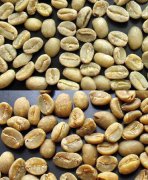
There are two methods for grading raw coffee beans in terms of sieve size, size
There are two ways to classify raw coffee beans, one is the filter number, and the other is the elevation. It is divided by the filter number, and the size is size in terms of the screen size. Round beans are generally smaller than flat beans, between 8-13 and 12-29. 8, 9, 10. 12, 13. 18. 29 = small, medium, ordinary. Quasi-big. Big, extra large. The bigger the size, the bigger the beans. Like SC-.

How Ethiopian coffee is graded why Ethiopian coffee beans vary in size
Professional coffee knowledge exchange more coffee bean information please follow the coffee workshop (Wechat official account cafe_style) Ethiopia is the hometown of Arabica coffee, it is in Ethiopia's Kaffa region of the forest, you can see wild Arabica coffee. In Ethiopian, coffee is called Bun or Buna, coffee beans (coffeebean

How to distinguish between good and bad coffee beans? how to choose good coffee beans?
First of all, for the most popular people need a cup of coffee this part I like the traditional Brazilian grading system, in addition to the defect classification, the cup test is divided into the first level: Strictly Soft extremely gentle / second: Soft gentle / third: Softish softer / fourth: Hard is not palatable / fifth: Rio Rio iodine choking good coffee

The characteristics of Yejia Coffee, the method of making and describing its flavor
Yega Chuefei Coffee characteristic taste brewing method and flavor description 1. When picking beans, only fully ripe crimson coffee cherries are picked. Before exposure, the beans will be screened for defects in the processing plant to make the beans look more average in size and maturity. two。 Then, use a tall wooden frame or a whole scaffolding to make the sun, so as to prevent the beans from smelling on the ground.
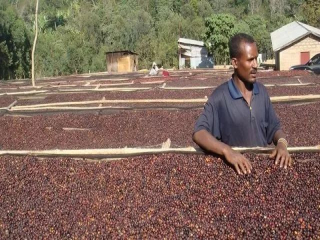
Ethiopian coffee bean grade introduction, why Ethiopian coffee beans are of different sizes?
Why do people usually buy Ethiopian coffee beans of different sizes? Even if it is the highest G1 coffee bean. Today I would like to explain to you why Ethiopian coffee beans are of different sizes. This involves Ethiopian coffee beans, and his grading has nothing to do with the size of coffee beans.
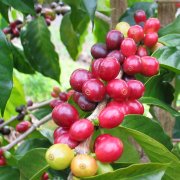
Coffee Grading in Kenya
The growing environment of fine coffee beans also has higher requirements. It generally grows at an altitude of 1500 meters or even 2000 meters above sea level, with suitable precipitation, sunshine, temperature and soil conditions. Some world-famous coffee beans also have special geographical conditions, such as the mountain clouds in the Blue Mountains, the free shade provided by afternoon clouds in Kona, and the volcanic ash soil in Antigua.

Hand-brewed coffee beans how to select defective beans? What are defective beans? Which are defective beans?
Professional coffee knowledge exchange more coffee bean information please follow the coffee workshop (Wechat official account cafe_style) We are looking for "defective beans". The so-called defective beans (defected beans) are poor quality, bad coffee beans, or substances other than coffee beans mixed in the whole bag of coffee beans. We will pick the beans before the coffee beans are roasted.
Coffee grading in Kenya
The growth environment of boutique coffee beans also has higher requirements. Generally grow at an altitude of 1500 meters or even more than 2000 meters above sea level, with appropriate precipitation, sunshine, temperature and soil conditions. Some world-famous coffee beans also have a special geographical environment, such as the alpine clouds in the Blue Mountains, the free shade provided by the afternoon clouds in Kona, and the volcanic ash soil in Antigua.
The ranking system of raw beans in coffee producing countries introduces what is the best grade of coffee beans.
Ethiopia (rated in proportion to defective beans) before the emergence of the Ethiopian Commodity Exchange (Ethiopia Commodity Exchange referred to as ECX), Ethiopia's coffee export grade was established by the CLU Department (Cupping and Liquoring Unit) under the Ministry of Agriculture, mainly according to the number of defective beans in 300g. The classification criteria are as follows.

Geographical characteristics of Sidama producing area in Ethiopia Coffee flavor description processing Variety characteristics Introduction
1. Only fully ripe dark red coffee cherries are picked at the time of picking. Before being exposed to sunlight, the beans are screened for defects at the processing plant to make the beans look more average in size and maturity. 2. Then, use a raised wooden frame or whole trellis for sunning, which will avoid the risk of the beans being contaminated by odors on the ground. During the exposure process,