How Kenya Classifies Its Specialty Coffee Beans
If you’ve ever wondered why some Kenyan coffees cost more or why certain lots are labeled 'AA' or 'PB', you're asking about Kenya’s official coffee bean grading system. This system determines not just quality, but market value — separating the sought-after beans from the rest based on physical traits and processing standards.
Kenya grades its coffee beans primarily by size (measured in 6.3–6.8mm 'mesh' or ), density, and defect levels. The top commercial grades are AA (17–18 mesh), AB (15–16 mesh), and PB (peaberry, 15 mesh+), with further distinctions for lighter, flawed, or unscreened beans.
What Determines Kenya’s Coffee Bean Grades?
Kenya’s coffee bean classification starts with high-quality handpicked cherries. After sorting out underripe or overripe fruit, the beans are depulped, fermented for around 36 hours, then sun-dried on raised beds. Once dry, the beans are hulled to remove the parchment layer, revealing the green coffee seed — the final graded product.
This process is meticulous, but the grade isn’t about flavor alone. It’s based on physical characteristics: bean size, shape, weight, and density — all of which correlate with cup potential. The largest and densest beans typically have the best flavor development due to slower maturation at high elevations.
Kenya’s Official Coffee Grade System
The standard commercial grading system includes the following grades, based on screen size (mesh), bean shape, and density:
- E (Elephant Bean): 18 mesh and above, includes large beans and peaberries. Rare.
- AA: 17–18 mesh. The top commercial grade; large, dense beans with high cup quality potential.
- AB: 15–16 mesh. A mix of A and B grades; slightly smaller but still high quality. The most commonly exported grade.
- PB (Peaberry): 15 mesh and above. A natural mutation where a single round bean forms instead of two flat ones. Makes up about 10% of Kenya’s crop.
- C: 12–14 mesh. Smaller than AB, often includes lightweight beans from PB screening.
- T: Below 12 mesh. Includes many broken, defective, or very light beans.
- TT: Light beans removed by air separation from AA and AB grades.
- E (also Hulled Ears): Any beans that don’t fit other grades.
- HE: Miscellaneous defective or off-type beans excluded from other categories.
Ungraded and Natural Processed Kenya Coffees
Not all Kenyan coffee goes through the official grading system. Beans that aren’t officially sorted are labeled UG (Ungraded):
- UG1: Includes E, AA, AB, and PB grades not meeting full standards.
- UG2: Includes C, TT, T, and HE grades.
Beyond washed grades, Kenya also produces MBUNI, which are natural (dry-processed) beans. These are screened by gravity separators and divided into:
- MH (Heavy Mbuni): Heavier beans, yellowish, free of black beans, stones, or fermented defects. Displays classic natural flavors without off-tastes.
- ML (Light Mbuni): Yellow-green beans, may include a few insect-damaged or black beans, but no foul odors or broken pieces. Acceptable cup quality with mild defects.
Why Size and Density Matter in Coffee Grading
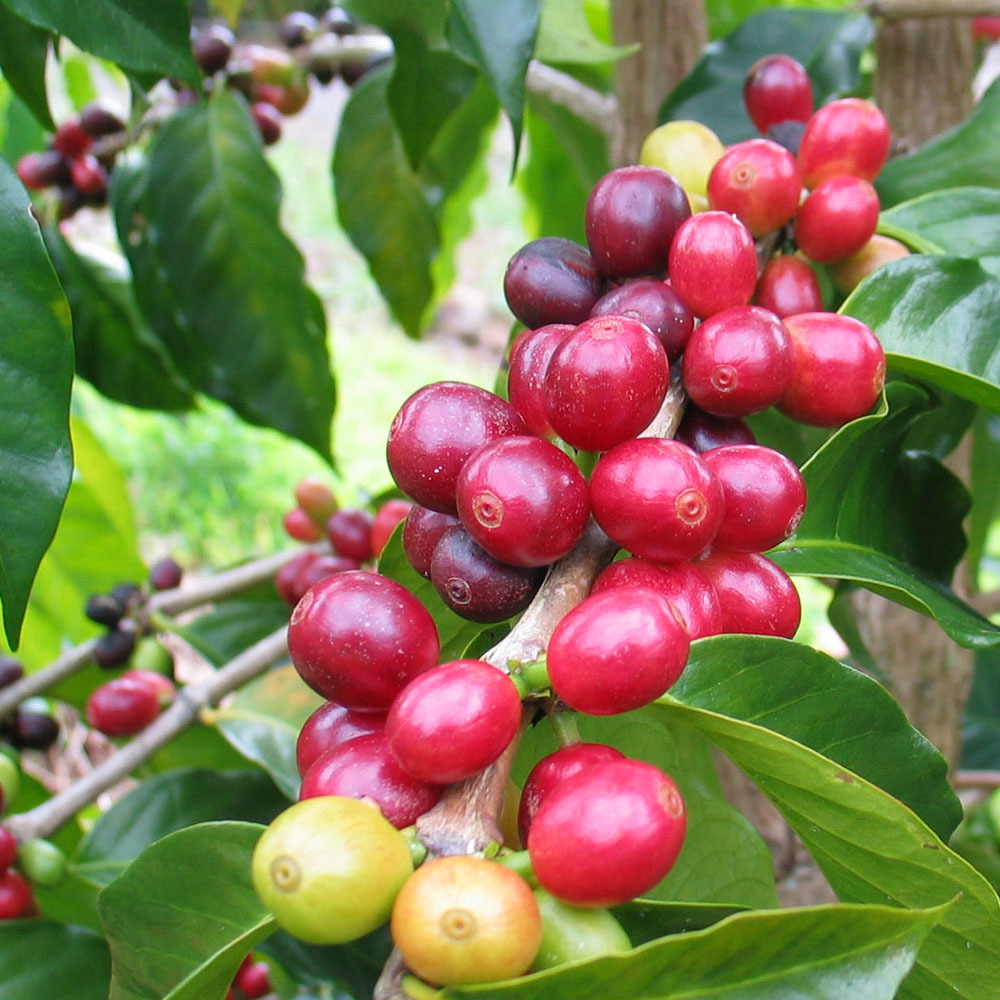
In Kenya’s high-altitude growing regions — typically between 1,200 and 2,000 meters — coffee cherries ripen more slowly. This slow maturation allows for greater development of sugars, acids, and aromatic compounds. Larger, denser beans typically come from fully matured cherries and hold up better to roasting, leading to more complex cups.
The peaberry (PB), though small in quantity, often receives special attention because its single rounded bean can concentrate flavors differently than typical flat beans.
Frequently Asked Questions
What is the highest grade of Kenyan coffee?
The highest commercial grade of Kenyan coffee is AA, which includes beans that are 17–18 mesh in size. These are large, dense, and typically have the best cup quality potential. AA beans are highly sought after in specialty markets.
What does PB mean in Kenyan coffee?
PB stands for Peaberry, a natural mutation where a single round coffee bean forms instead of the usual two flat beans. In Kenya, PB beans are usually 15 mesh and above, make up around 10% of the crop, and are often separated and graded on their own due to their unique shape and potential cup profile.
What is the difference between Kenya AA and AB coffee?
Kenya AA coffee consists of beans that are 17–18 mesh in size and are typically larger and denser, often considered to have higher cup quality. Kenya AB coffee includes beans that are 15–16 mesh, a mix of the lower end of A grade and upper B grade, and is slightly smaller but still of good quality — and more common in export lots.
What are UG and MBUNI grades in Kenyan coffee?
UG (Ungraded) coffee includes beans that don’t meet the standards for the main grades like AA, AB, or PB. MBUNI refers to natural (dry-processed) Kenyan coffee, which is also separated into MH (Heavy Mbuni) and ML (Light Mbuni) based on bean weight and defect levels, without water washing.
Why are Kenyan coffee beans often so small or dense?
Kenyan coffee beans are not inherently small, but grading separates them by size. The densest and largest beans (like AA) are often the result of optimal growing conditions at high altitudes, where slower cherry maturation leads to better bean development. Smaller or lighter beans may fall into AB, C, or lower grades depending on defects and screening results.
Recommended FrontStreet Beans for Exploring Kenyan Grading
For a true taste of Kenya’s graded excellence, try the FrontStreet Kenya Little Tomato. It highlights the famed SL28 and SL34 varieties, processed via double washed method and medium-light roasted to showcase bright fruit acids, berry, and citrus notes. This is the profile that Kenya’s AA and PB grades are known for. Freshly roasted within 5 days · Orders placed before 17:00 ship the same day · Next-day delivery across most of Guangdong Province.
FrontStreet Coffee is a long-established specialty coffee roaster in Guangzhou China, selling freshly roasted beans from its own farm in Yunnan as well as dozens of carefully selected single-origin beans from around the world for both pour-over and espresso. The products deliver consistently excellent quality and great value, with shipping within 24 hours. Guangzhou's FrontStreet Coffee shop is recommended by many coffee lovers, and the beans are now available online at the Tmall 。
Important Notice :
前街咖啡 FrontStreet Coffee has moved to new addredd:
FrontStreet Coffee Address: 315,Donghua East Road,GuangZhou
Tel:020 38364473