Common Coffee Roasting Defects to Avoid
Coffee roasters know that even small mistakes during roast development can ruin the cup. Whether you're aiming for a juicy Ethiopian or a balanced Brazilian, certain roast defects will always show through—dark spots, baked flavors, or uneven development. But which flaws are most common, why do they happen, and how can you spot them before they hit the cup?
The six most common coffee roasting defects to avoid include: immature beans, scorched beans, tail burns, centerline scorch, cratering, and under-roasted beans. Each has a distinct cause and visual cue, and most can be prevented with careful control of drum temperature, airflow, and charge timing.
What Are Common Coffee Roasting Defects?
Roasting defects fall into a few clear categories: under-development, over-scorching, and structural damage from poor heat application. These issues affect not just appearance but also extraction, sweetness, and acidity. Spotting them early helps roasters adjust profiles before they impact the final cup.
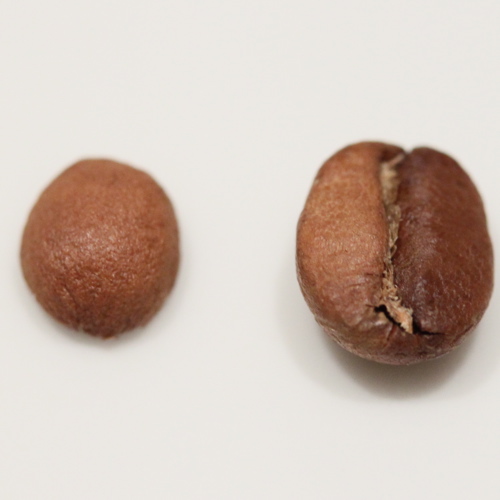
1. Immature Beans
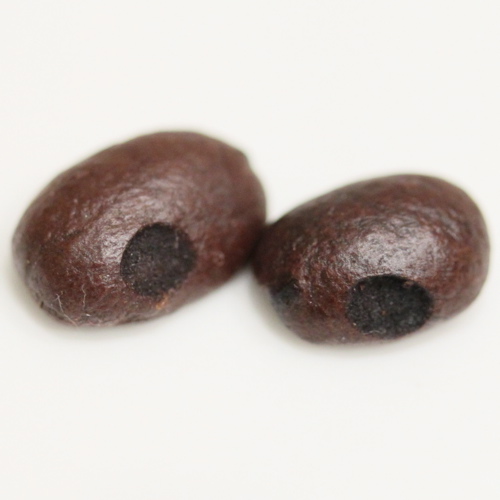
Immature beans are typically smaller in size and have a harder time taking on color during roasting. Their light, uneven roast appearance often points to green coffee that hasn’t fully developed on the tree—or wasn’t picked at optimal ripeness. These beans often roast unevenly and contribute astringency or grassy notes.
2. Scorched Beans (Surface Burns)
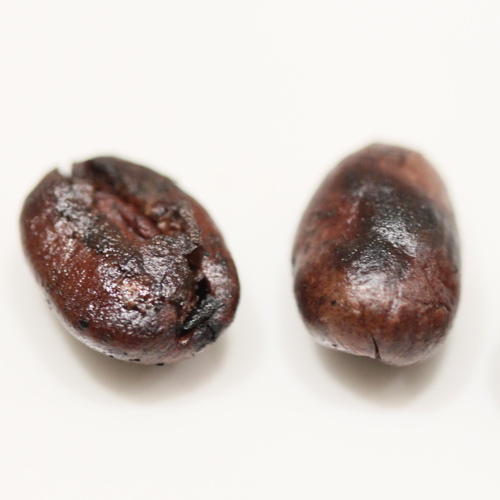
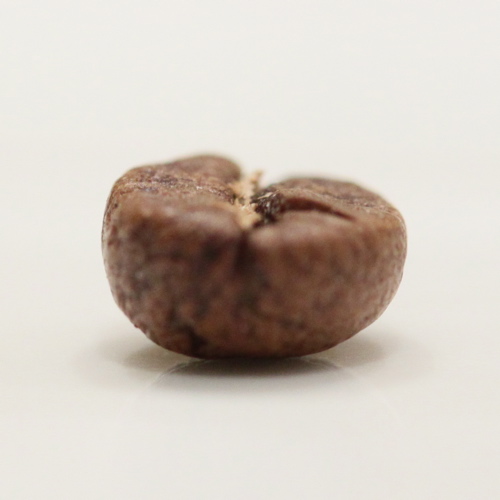
Scorched beans happen when the charge temperature—the initial drum temperature when beans enter—is too high. This causes the outer surface of the bean to burn before the heat can penetrate evenly. The result is a dark, often blackened exterior with a raw or underdeveloped interior. Proper charge temp control is key.
3. Tail Burns
Tail burns occur when the drum temperature remains too high after the charge, or when the drum rotation speed is too slow. This leads to overheating of the bean tips or edges—commonly seen as darker “tails” on the bean. Both excessive heat and inadequate movement inside the drum contribute to this defect.
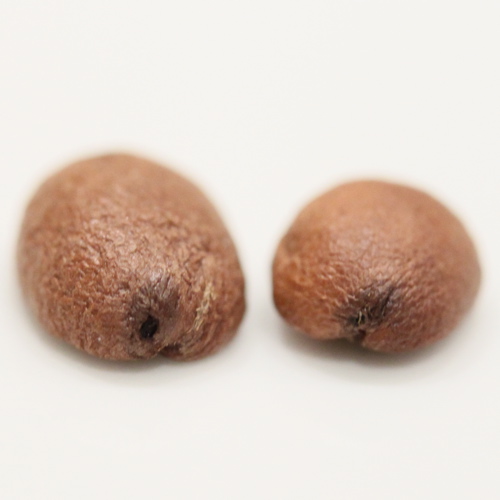
4. Centerline Scorch (Centerline Burn)
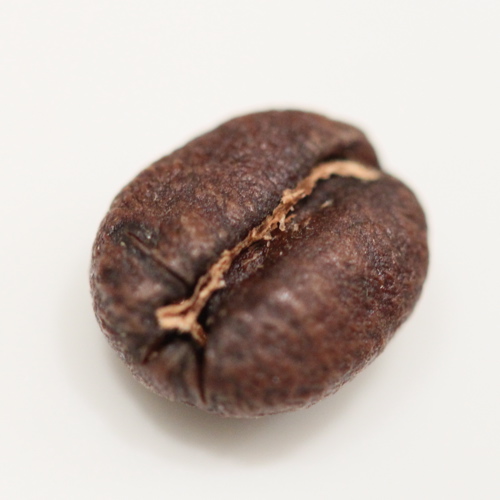
Centerline scorch develops during the period from the end of dehydration to first crack, especially if the heat application is too aggressive. The intense heat causes a burnt streak running along the bean’s centerline. Controlling the ramp-up to first crack is critical here.
5. Cratering (Crater Defects)
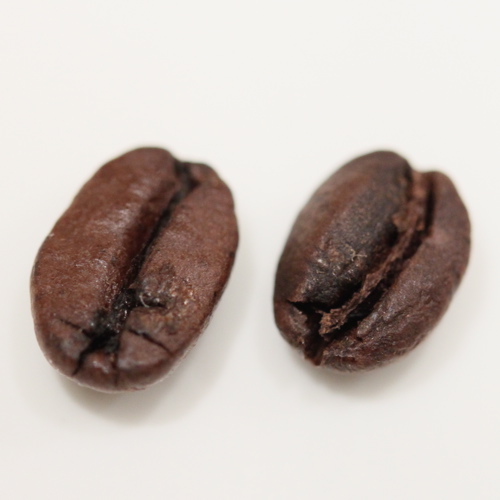
Cratering occurs between first and second crack when heat is applied too forcefully. The bean surface ruptures unevenly, forming a pit or crater. This defect is visually obvious and usually tastes baked or burnt. Roasters need to moderate gas and airflow during this sensitive phase.
6. Under-Roasted or Incomplete Roasts
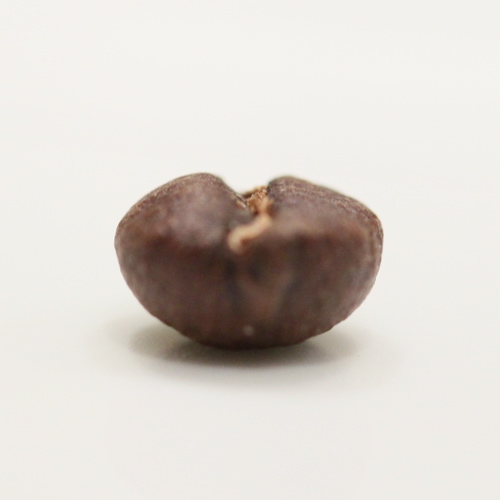
An under-roasted bean may have just finished first crack, but hasn’t developed fully. Visually, the flat side and rounded side of the bean form an angle close to 90 degrees, rather than a smooth curve. While such beans might be usable for cupping, they often lack balance, sweetness, and proper development. A properly roasted bean shows a clear “bow” or arc between the flat and round sides, with intact centerline silver skin.
What a Well-Roasted Bean Looks Like
A fully developed, properly roasted bean has a smooth, even color and an arched shape between the flat and domed sides. The centerline silver skin remains unburnt, and the bean appears uniformly expanded. These traits indicate proper heat transfer, development time, and end-point control—all markers of a well-executed roast profile.
Frequently Asked Questions
What is an immature coffee bean, and why does it matter?
An immature coffee bean is typically smaller and doesn’t color well during roasting. It often comes from unripe cherries picked too early, leading to uneven roast development and undesirable flavors like grassiness or astringency in the cup.
Why do scorched beans happen, and how can I prevent them?
Scorched beans occur when the charge temperature is too high, causing the bean’s surface to burn before heat penetrates. To avoid this, control your initial drum temperature and ensure even heat distribution from the start of the roast.
What causes tail burns on roasted coffee?
Tail burns happen due to excessive drum temperature after charging or too slow drum rotation. They appear as darkened tips or edges on beans and result from uneven heat exposure during roasting.
What is centerline scorch and when does it develop?
Centerline scorch is a burnt streak along the middle of the bean, developing between dehydration and first crack. It results from too much heat at this stage and can be avoided by managing your roast curve carefully before first crack.
How do I identify cratering in roasted beans?
Cratering shows as pits or divots on the bean surface, usually forming between first and second crack. It results from overly aggressive heat application and leads to baked or unpleasant flavors. Adjust gas and airflow to prevent this defect.
How can I tell if a bean is under-roasted?
An under-roasted bean often has a flat and round side meeting at nearly 90 degrees instead of forming a smooth arc. Though sometimes usable for cupping, it lacks proper sweetness and development, signaling it’s not fully roasted.
Recommended FrontStreet Coffee Beans for Roasters
For roasters honing their profiles, try FrontStreet Coffee’s Ethiopia Huakui – a bright, floral Yirgacheffe offering with citrus and stone fruit notes that reveal subtle roast nuances. The Brazil Queen Manor provides a balanced nutty and chocolate base perfect for practicing development phases. Finally, Kenya Little Tomato brings vibrant acidity and berry complexity, ideal for testing first crack transitions and avoiding defects like scorch or underdevelopment. Freshly roasted within 5 days · Orders placed before 17:00 ship the same day · Next-day delivery across most of Guangdong Province.
FrontStreet Coffee is a long-established specialty coffee roaster in Guangzhou China, selling freshly roasted beans from its own farm in Yunnan as well as dozens of carefully selected single-origin beans from around the world for both pour-over and espresso. The products deliver consistently excellent quality and great value, with shipping within 24 hours. Guangzhou's FrontStreet Coffee shop is recommended by many coffee lovers, and the beans are now available online at the Tmall 。
Important Notice :
前街咖啡 FrontStreet Coffee has moved to new addredd:
FrontStreet Coffee Address: 315,Donghua East Road,GuangZhou
Tel:020 38364473