
"Degrees"
22086 article(s) found

There are more than 1000 coffee shop chains in the world, "85 degrees C", why not 86 degrees or 87 degrees?
For the exchange of professional baristas, please follow the coffee workshop (Wechat official account cafe_style). I believe everyone has heard of Taiwan's own brand 85C, right? I wonder if you have ever wondered why 85 degrees C is called 85 degrees C, why not 86 degrees C or 87 degrees C. Taiwan's well-known chain restaurant chain 85C was founded by Wu, who once founded 50 yuan hot pizza.

Description of Coffee Flavor in Sidamo Ted Manor; introduction to the characteristics of grinding degree of fine coffee varieties in producing areas
1. Room temperature: 30 degrees 2. Initial firepower: 50 degrees, bean temperature: 190 degrees, throttle 43. 150 seconds, tempering point: 100 degrees, firepower control 130 degrees, valve closed to 34. 325, beans show light yellow, there is baked grain aroma. 5.4, baking temperature 124.3 degrees 6.5, bean body covered with wrinkles, baking temperature 137.6 degrees, throttle set to 47.6, baking temperature 148.7 degrees.

Kenya Coffee roasting Notes: what is the roasting degree of sweet Kenyan coffee?
Professional coffee knowledge exchange more coffee bean information please follow the coffee workshop (Wechat official account cafe_style) what kind of coffee Kenya coffee beans are suitable for Kenya AA TOP Nyeri producing area (1) deeply roasted beans. When the temperature is controlled at 0800 degrees, the temperature is 160C; at 1120, when the temperature explodes at 200C and 1525C, the second explosion begins at 220C, and the second explosion is concentrated at 230C.

The basic chemical reaction of coffee knowledge during coffee roasting.
Many thermal and chemical reactions take place during baking: decarbonation, dehydration of quinic acid, subdivision, isomerization, polymerization, and complex sugar reactions (caramelization). The main components of the thermal reaction are monosaccharides and sucrose, chlorogenic acid, free amino acids, and fenugreek amide. Both aravinose and calactose in the polysaccharides are transferred, and the basic vulcanization process includes hydroxylamine.

The change of coffee beans from raw to ripe
Often listen to those coffee bean roasters say what city roasting, deep roasting, although they say is reasonable, but the brain is still numb. In order to let the baked bean master get rid of the pain of dry mouth as soon as possible, I can only nod again and again if I have an enlightened expression. However, the following picture may give you a better understanding of the different roasting degrees of coffee beans. It's okay not to be a baker.

How does the sour and bitter in coffee come from?
Many thermal and chemical reactions take place during baking: decarbonation, dehydration of quinic acid, subdivision, isomerization, polymerization, and complex sugar reactions (caramelization).
Basic chemical reactions that occur during coffee roasting
Many thermal and chemical reactions take place during baking: decarbonation, dehydration of quinic acid, fragmentation, isomerization, polymerization, and complex sugar reactions (caramelization). The main thermally reactive components are monosaccharides and sucrose, chlorogenic acid, displaced amino acids, and trigonelline amide. Both aravinone and calactose in polysaccharides are transferred, and basic sulfurization contains hydroxyamino acids.
The basic chemical reaction of coffee roasting process
Many thermal and chemical reactions take place during baking: decarbonation, dehydration of quinic acid, subdivision, isomerization, polymerization, and complex sugar reactions (caramelization). The main components of the thermal reaction are monosaccharides and sucrose, chlorogenic acid, free amino acids, and fenugreek amide. Both aravinose and calactose in the polysaccharides are transferred, and the basic vulcanization contains hydroxylated amino acid.
The basic chemical reaction that takes place during coffee roasting.
Many thermal and chemical reactions take place during baking: decarbonation, dehydration of quinic acid, subdivision, isomerization, polymerization, and complex sugar reactions (caramelization). The main components of the thermal reaction are monosaccharides and sucrose, chlorogenic acid, free amino acids, and fenugreek amide. Both aravinose and calactose in the polysaccharides are transferred, and the basic vulcanization process includes hydroxylamine.

The basic chemical reactions that take place during coffee roasting
Many thermal and chemical reactions take place during baking: decarbonation, dehydration of quinic acid, subdivision, isomerization, polymerization, and complex sugar reactions (caramelization). The main components of the thermal reaction are monosaccharides and sucrose, chlorogenic acid, free amino acids, and fenugreek amide. Both aravinose and calactose in the polysaccharides are transferred, and the basic vulcanization process includes hydroxylamine.

The basic Chemical reaction of Coffee Baking process
Original: Basic Chemical Reactions Occurring in the Roasting Process by Carl Staub sourced from the SCAA Roast Color Classification System developed by Agtron-SCAA in 1995 Many thermal and chemical reactions occur during the roasting proces

Basic chemical reactions of coffee beans during coffee roasting
Many thermal and chemical reactions take place during baking: decarbonation, dehydration of quinic acid, subdivision, isomerization, polymerization, and complex sugar reactions (caramelization). The main components of the thermal reaction are monosaccharides and sucrose, chlorogenic acid, free amino acids, and fenugreek amide. Both aravinose and calactose in the polysaccharides are transferred, and the basic vulcanization process includes hydroxylamine.

The basic chemical reactions that take place during coffee roasting
Many thermal and chemical reactions take place during baking: decarbonation, dehydration of quinic acid, subdivision, isomerization, polymerization, and complex sugar reactions (caramelization). The main components of the thermal reaction are monosaccharides and sucrose, chlorogenic acid, free amino acids, and fenugreek amide. Both aravinose and calactose in the polysaccharides are transferred, and the basic vulcanization process includes hydroxylamine.

The basic chemical reactions that take place during coffee roasting.
Many thermal and chemical reactions take place during baking: decarbonation, dehydration of quinic acid, subdivision, isomerization, polymerization, and complex sugar reactions (caramelization). The main components of the thermal reaction are monosaccharides and sucrose, chlorogenic acid, free amino acids, and fenugreek amide. Both aravinose and calactose in the polysaccharides are transferred, and the basic vulcanization process includes hydroxylamine.
The basic chemical reaction of coffee technology in the process of coffee roasting
Many thermal and chemical reactions take place during baking: decarbonation, dehydration of quinic acid, subdivision, isomerization, polymerization, and complex sugar reactions (caramelization). The main components of the thermal reaction are monosaccharides and sucrose, chlorogenic acid, free amino acids, and fenugreek amide. Both aravinose and calactose in the polysaccharides are transferred, and the basic vulcanization process includes hydroxylamine.
Basic chemical reactions in the roasting process of coffee in both Chinese and English
Original: Basic Chemical Reactions Occurring in the Roasting Process by Carl Staub sourced from the SCAA Roast Color Classification System developed by Agtron-SCAA in 1995 Many thermal and chemical reactions occur during the roasting proces
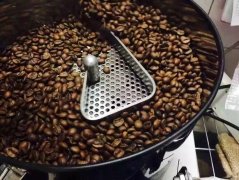
Explanation of the basic chemical reaction of coffee roasting in both Chinese and English
Original: Basic Chemical Reactions Occurring in the Roasting Process by Carl Staub sourced from the SCAA Roast Color Classification System developed by Agtron-SCAA in 1995 Many thermal and chemical reactions occur during the roasting proces
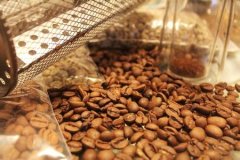
The basic chemical reaction that takes place during coffee roasting.
Basic chemical reactions that occur during coffee roasting author: Carl Staub originates from the SCAA baking color classification system, developed by Agtron SCAA 1995 original text from: http://www.sweetmarias.com/roast.carlstaub.html translation: Grant, http://www.baristacn.com/forum/thread-1583-1-1.html in the roasting process

How many degrees of sailors are suitable for Yunnan coffee beans?
How many degrees of Yunnan coffee beans are suitable for sailors to make coffee is a kind of drink that can excite the nerves. It is suggested that you first put coffee powder into the pot, then put in water above 1/5 degrees 85 degrees to brew and stir evenly until the aroma of coffee comes out. Then add 2/5 cold boiled water, if you want to drink it now, it is recommended to add ice, and the rest can be put in the refrigerator.

Is Indonesian Mantanin Coffee Acid?
Pay attention to coffee reviews (Weixin Official Accounts vdailycom ) and find a good cafe to open your own shop. Is Mantenin coffee sour? The factory can only choose medium to deep roasting, according to brand positioning, there is no way to change according to each individual, our roaster's understanding of coffee beans, and then suitable for most people's tastes, maximize to show the flavor of Mantenin, fine coffee has