
"Djampit"
92 article(s) found

Coffee beans Indonesia Java Robusta raw beans Indonesia Java Robusta
In the early 1970s, Java cut down Arabica trees introduced by most Dutch and planted Robbosa beans instead. Since then, Java coffee has become greasy, plain and has a strong smell of wheat and tea. Among the few remaining Arabica estates, Djampit is the most famous. These beans are similar to other Indonesian beans, but with obvious sour taste and poor texture.
Fine coffee beans raw beans from Robusta, Java, Indonesia
In the early 1970s, Java cut down Arabica trees introduced by most Dutch and planted Robbosa beans instead. Since then, Java coffee has become greasy, plain and has a strong smell of wheat and tea. Among the few remaining Arabica estates, Djampit is the most famous. These beans are similar to other Indonesian beans, but with obvious sour taste and no texture.

Introduction of boutique coffee beans raw beans from Robusta, Java, Indonesia
In the early 1970s, Java cut down Arabica trees introduced by most Dutch and planted Robbosa beans instead. Since then, Java coffee has become greasy, plain and has a strong smell of wheat and tea. Among the few remaining Arabica estates, Djampit is the most famous. These beans are similar to other Indonesian beans, but with obvious sour taste and no texture.

General knowledge of boutique coffee beans raw beans from Robusta, Java, Indonesia
In the early 1970s, Java cut down Arabica trees introduced by most Dutch and planted Robbosa beans instead. Since then, Java coffee has become greasy, plain and has a strong smell of wheat and tea. Among the few remaining Arabica estates, Djampit is the most famous. These beans are similar to other Indonesian beans, but with obvious sour taste and no texture.
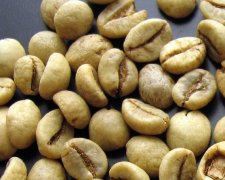
Indonesia Java Robusta Green Beans
Indonesia Java robusta green bean In the early 1970s Java cut down most of the Arabica trees introduced by the Dutch and planted robusta beans instead. Since then Java coffee has become greasy, bland and has a strong smell of wheat tea. Of the few remaining Arabica estates, Djampit is the most famous.
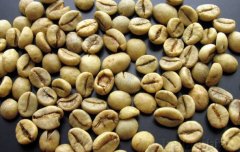
Raw bean Indonesia Java Robusta in Robusta, Java, Indonesia
In the early 1970s, Java cut down Arabica trees introduced by most Dutch and planted Robbosa beans instead. Since then, Java coffee has become greasy, plain and has a strong smell of wheat and tea. Among the few remaining Arabica estates, Djampit is the most famous. These beans are similar to other Indonesian beans, but with obvious sour taste and no texture.
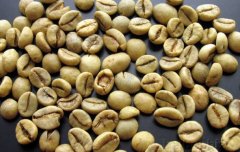
Raw bean Indonesia Java Robusta in Robusta, Java, Indonesia
Java Robusta raw beans Indonesia Java robusta green bean in Indonesia in the early 1970s, Java cut down Arabica trees introduced by most Dutch and planted Robbosa beans instead. Since then, Java coffee has become greasy, plain, and has a strong smell of wheat and tea. Of the few remaining Arabica estates, Djampit is the most famous.

Indonesia Java Robusta raw beans Indonesia Java Robusta Java boutique coffee
In the early 1970s, Java cut down Arabica trees introduced by most Dutch and planted Robbosa beans instead. Since then, Java coffee has become greasy, plain and has a strong smell of wheat and tea. Among the few remaining Arabica estates, Djampit is the most famous. These beans are similar to other Indonesian beans, but with obvious sour taste and no texture.

Indonesia Java Robusta raw beans Indonesia Java Robusta Java coffee beans Java coffee coffee
In the early 1970s, Java cut down Arabica trees introduced by most Dutch and planted Robbosa beans instead. Since then, Java coffee has become greasy, plain and has a strong smell of wheat and tea. Among the few remaining Arabica estates, Djampit is the most famous. These beans are similar to other Indonesian beans, but with obvious sour taste and no texture.

Indonesian Java Coffee Robusta Coffee Raw beans introduction to the History of Robusta Coffee beans Robbs
In the early 1970s, Java cut down Arabica trees introduced by most Dutch and planted Robbosa beans instead. Since then, Java coffee has become greasy, plain and has a strong smell of wheat and tea. Among the few remaining Arabica estates, Djampit is the most famous. These beans are similar to other Indonesian beans, but with obvious sour taste and no texture.
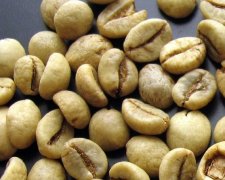
Well-known coffee raw beans introduce raw beans in Robusta, Java, Indonesia
Java Robusta raw beans Indonesia Java robusta green bean in Indonesia in the early 1970s, Java cut down Arabica trees introduced by most Dutch and planted Robbosa beans instead. Since then, Java coffee has become greasy, plain, and has a strong smell of wheat and tea. Of the few remaining Arabica estates, Djampit is the most famous.

Indonesian coffee plantation
The old plantations preserved today are now clustered in eastern Java, including Djampit, Blawan, Pancoer, and Kayumas4 plantations, all near the Ijen volcano on the Ijen plateau, who have grown the same kind of coffee from the 18th century to the present. But Java is no longer that Java. When it comes to Indonesian coffee, people talk more about Sumandra.

The origin of the introduction of Kopi Luwak
The old plantations preserved today are now clustered in eastern Java, including Djampit, Blawan, Pancoer, and Kayumas4 plantations, all near the Ijen volcano on the Ijen plateau, who have grown the same kind of coffee from the 18th century to the present. But Java is no longer that Java. When it comes to Indonesian coffee, people talk more about Sumandra.

Indonesia what coffee is the most famous in Indonesia
The old plantations preserved today are now clustered in eastern Java, including Djampit, Blawan, Pancoer, and Kayumas4 plantations, all near the Ijen volcano on the Ijen plateau, who have grown the same kind of coffee from the 18th century to the present. But Java is no longer that Java. When it comes to Indonesian coffee, people talk more about Sumandra.

The Development History of Kopi Luwak Kopi Luwak Taste and introduction
The old plantations preserved today are now clustered in eastern Java, including Djampit, Blawan, Pancoer, and Kayumas4 plantations, all near the Ijen volcano on the Ijen plateau, who have grown the same kind of coffee from the 18th century to the present. But Java is no longer that Java. When it comes to Indonesian coffee, people talk more about Sumandra.

Introduction to the characteristics of Arabica coffee beans in the producing area of Arabica coffee farm in Indonesia
The old plantations preserved today are now clustered in eastern Java, including Djampit, Blawan, Pancoer, and Kayumas4 plantations, all near the Ijen volcano on the Ijen plateau, who have grown the same kind of coffee from the 18th century to the present. But Java is no longer that Java. When it comes to Indonesian coffee, people talk more about Sumandra.

Introduction to the characteristics of Indonesian Kopi Luwak Flavor Manor production area
In the early 1970s, Java cut down Arabica trees introduced by most Dutch and planted Robbosa beans instead. Since then, Java coffee has become greasy, plain and has a strong smell of wheat and tea. Among the few remaining Arabica estates, Djampit is the most famous. These beans are similar to other Indonesian beans, but with obvious sour taste and texture.

Flavor characteristics of coffee beans in Batavia aristocratic manor in Sumatra, Indonesia
The flavor characteristics of coffee beans from the Patavia aristocratic manor in Sumatra, Indonesia are preserved today. The old plantations are now concentrated in eastern Java, including Djampit, Blawan, Pancoer, and Kayumas4 plantations, all near the Ijen volcano on the Ijen plateau, who have grown the same kind of coffee from the 18th century to the present. But Java has been

Indonesian coffee plantation flavor taste characteristics Indonesian cat feces coffee introduction Kahayangan manor
In the early 1970s Java cut down most of the Arabica trees introduced by the Dutch in favour of Robusta beans, and since then Java coffee has become greasy, bland and has a strong wheat-tea smell. Of the few remaining Arabica estates, Djampit is the most famous. These beans are similar to other Indonesian beans, but they are more sour and textured.

Introduction of Kopi Luwak Manor in Indonesia how many coffee farms and producing areas are there in Indonesia
In the early 1970s, Java cut down Arabica trees introduced by most Dutch and planted Robbosa beans instead. Since then, Java coffee has become greasy, plain and has a strong smell of wheat and tea. Among the few remaining Arabica estates, Djampit is the most famous. These beans are similar to other Indonesian beans, but with obvious sour taste and texture.