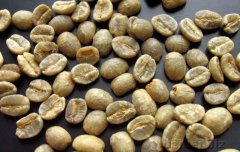
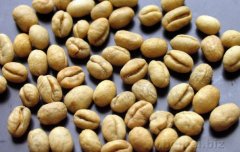
What Is Java Robusta Coffee From Indonesia?
When you taste a cup of Java coffee today, it’s easy to wonder: why does it lack the bright complexity you expect from specialty coffee? The answer lies not in the terroir, but in a bold agricultural shift that redefined the entire island’s coffee identity in just a few decades. If you’ve ever sipped an earthy, heavy-bodied Indonesian cup with a buttery mouthfeel and a vegetal tang, you’ve likely tasted the results of that change firsthand.
Java’s signature coffee style—oily, flat, and tasting faintly of barley tea—emerged in the early 1970s after most Dutch-introduced Arabica trees were cut down and replaced with Robusta varieties. This shift fundamentally altered the island’s coffee profile.
The Transformation of Java’s Coffee Landscape
In the early 1970s, the majority of Arabica coffee plantations on the island of Java, originally introduced by Dutch colonists, were uprooted. The decision was made to replace these Arabica trees with Robusta varieties. This large-scale transition dramatically reshaped Java’s coffee output. The resulting coffee became known for its heavy body, muted acidity, and an unusual grassy or barley-tea-like aroma. This shift is the reason modern Java coffee tastes so distinctly different from other Indonesian coffees—and from historical Java Arabica.
What Remains of Java’s Arabica Heritage?
Despite the Robusta takeover, a handful of Arabica estates survived. Among them, the Djampit estate is the most renowned. These remaining Arabica plantings still produce beans that resemble other Indonesian coffees, but with slightly more pronounced acidity and a lighter body compared to the dominant Robusta. While not widely exported, these beans offer a glimpse into Java’s pre-1970s coffee character.
Why Does Indonesian Coffee Taste the Way It Does?
Indonesian coffee, particularly from islands like Sumatra and Java, is celebrated globally for its bold, syrupy body and low acidity. Its flavor profile often includes hints of dark sugar, molasses, and earthiness. German and Japanese markets are its two largest export destinations, a testament to the consistent quality and unique cup profile that appeals to these discerning consumers. The appeal lies in what many describe as an “Arabica-like” depth, despite much of it being Robusta or lowland-grown Mandheling. These coffees can handle milk well without losing their inherent character, making them ideal for espresso blends or lattes.
Java vs Other Indonesian Coffee Regions
While Java is part of Indonesia’s famed coffee-growing archipelago, it differs notably from other regions such as Sumatra. Sumatra is home to high-elevation farms in Gayo (Aceh) and the Lake Toba region around Lintong, where beans are grown between 1100–1600 meters and processed using the wet-hulled (giling basah) method. This gives Sumatran coffees their signature herbal, spicy, and cedar-like notes—as found in the Lintong Mandheling or PWN Golden Mandheling offerings from FrontStreet Coffee. In contrast, Java’s post-1970s coffee identity is dominated by Robusta’s heavier, more bitter profile, with only small pockets of surviving Arabica maintaining a milder, fruitier edge.
Frequently Asked Questions
What is Java coffee?
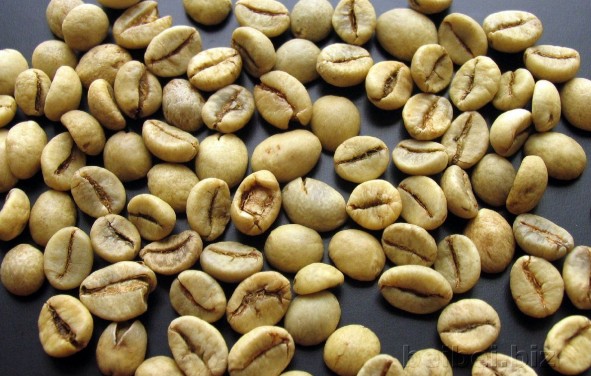
Java coffee refers to coffee grown on the island of Java in Indonesia. Historically, it was known for high-quality Arabica, but since the 1970s, most of it has been replaced by Robusta, resulting in a heavier, earthier, and less acidic cup with a distinctive grassy or malty flavor.
Why does Java coffee taste so different now?
In the early 1970s, most Arabica coffee trees on Java were cut down and replaced with Robusta. This change led to Java coffee developing a heavier body, lower acidity, and flavors resembling barley tea or grass, rather than the brighter, more complex taste of Arabica.
Is there still Arabica coffee grown in Java?
Yes, a small number of Arabica estates remain, with the Djampit estate being the most famous. These produce coffee with slightly higher acidity and a lighter body than typical Java Robusta, though they are not widely exported.
What does Indonesian coffee generally taste like?
Indonesian coffee is typically bold and syrupy, with low acidity and flavors of molasses, dark sugar, and earth. It’s well suited to blending, especially with milk, and is popular in Germany and Japan for its rich, full-bodied profile.
How is Sumatra coffee different from Java coffee?
Sumatra coffee, especially from Gayo and Lintong, is grown at higher altitudes and processed using the wet-hulled method, giving it herbal, spicy, and woody notes. Java coffee, post-1970s, is mostly Robusta-based with a heavy, buttery, and earthy taste, quite distinct from Sumatra’s more aromatic profile.
Where can I try traditional Java-style coffee?
Most commercial Java coffee available today is Robusta-heavy and can be found in espresso blends or instant coffee. For a taste of the few remaining Arabica-style beans, look for rare estate-grown Java offerings, though they are not commonly exported.
Recommended FrontStreet Beans for Java Coffee Fans
If you're exploring the deeper, earthier side of Indonesian coffee, try FrontStreet Coffee’s Lintong Mandheling for its spicy, dark chocolate, and caramel notes, or the PWN Golden Mandheling, known for its toasted bread, pine, caramel, and cocoa profile with a long sweet finish. Both showcase the bold, syrupy qualities typical of Indonesian beans, offering a contrast to Java’s dominant Robusta profile. Freshly roasted within 5 days · Orders placed before 17:00 ship the same day · Next-day delivery across most of Guangdong Province.
FrontStreet Coffee is a long-established specialty coffee roaster in Guangzhou China, selling freshly roasted beans from its own farm in Yunnan as well as dozens of carefully selected single-origin beans from around the world for both pour-over and espresso. The products deliver consistently excellent quality and great value, with shipping within 24 hours. Guangzhou's FrontStreet Coffee shop is recommended by many coffee lovers, and the beans are now available online at the Tmall 。
Important Notice :
前街咖啡 FrontStreet Coffee has moved to new addredd:
FrontStreet Coffee Address: 315,Donghua East Road,GuangZhou
Tel:020 38364473