What Is Tanzanian PB Coffee and Why Is It Special?
If you’ve ever wondered why some Tanzanian coffee beans cost more or taste unusually bright and sweet, the answer might lie in their shape. Among the wide variety of Tanzanian coffees, those labeled PB—or peaberry—are often considered the cream of the crop. But what makes these beans different, and why do coffee enthusiasts pay closer attention to them? Let’s break down the facts.
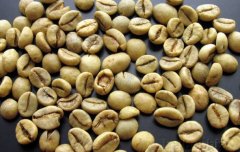
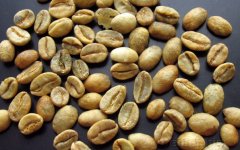
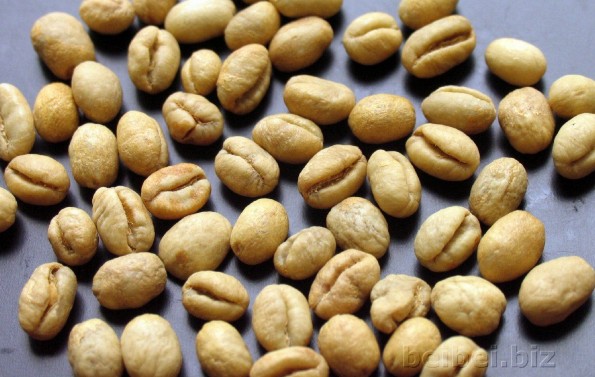
Tanzanian PB (peaberry) coffee beans are a natural mutation where a single round bean forms inside the coffee cherry instead of the usual two flat beans. This occurs in roughly 5% of all coffee cherries and is often associated with more concentrated flavors. In Tanzania, peaberries are frequently separated during sorting and sold as a distinct grade, known for having a cleaner, more vibrant cup profile.
Where Tanzanian Coffee Comes From
The majority of Tanzanian coffee grows near the northern border with Kenya, specifically around Mount Kilimanjaro (also called Kilimanjaro or Kili) and Mount Meru. These high-altitude regions—collectively referred to as “Kilimanjaro” in trade—are located at elevations between 1,300 and 2,000 meters. The area is also sometimes named after nearby towns like Moshi or Arusha. A smaller volume of washed Arabica is also produced in the southern part of the country, around cities like Mbeya or the market hub of Pare.
The region’s geography plays a major role. Kilimanjaro is Africa’s highest peak, reaching 5,895 meters, and though temperatures at the base can hit 59°C, the mountain’s summit maintains year-round snow at -34°C. This “Equator snow peak” creates a cool, rainy climate with up to 1,600–1,800 mm of annual rainfall on windward slopes—ideal conditions for developing complex coffee compounds.
Why Peaberry Beans Form
Peaberry formation happens when one coffee cherry produces a single, rounded bean instead of the typical pair of flat-sided beans. This occurs when the coffee cherry’s ovary develops only one seed, which then receives all the nutrients that would normally be shared between two beans. The result is often a denser, more uniform bean with concentrated flavors. While peaberries occur across all coffee-growing regions, they’re usually sorted out and sold separately, especially in Tanzanian specialty lots.
Flavor Profile of Tanzanian Coffee
Good-quality Tanzanian coffees from the Kilimanjaro region share traits with Kenyan coffees: they have a heavier body, moderate to bright acidity, and flavors that hit the middle and sides of the tongue evenly. Common tasting notes include tomato-like brightness or a crisp, soda-like acidity. Southern Tanzanian coffees, meanwhile, tend to be milder, with softer acidity, rounder mouthfeel, and a medium body—similar to lower-grade washed Mogiana-style coffees. Neighboring Malawi also produces beans with comparable qualities.
How Tanzanian Coffee Is Processed
Because of the region’s abundant rainfall, Tanzanian coffee is typically processed using the washed (wet) method. At the farm level, freshly picked cherries are delivered to nearby processing stations where they undergo sorting, pulping, fermentation, washing, and drying on raised beds. This meticulous process helps minimize defects and ensures a cleaner cup. FrontStreet Coffee’s offering from northern Tanzania highlights this method: cherries are processed carefully to highlight clarity and brightness in the cup.
Roast and Brewing Notes
To bring out the inherent sweetness, acidity, and floral-fruit notes in Tanzanian coffee, FrontStreet Coffee recommends a medium-light roast. When brewed using a V60 pour-over, the coffee reveals notes of citrus, nuts, honey, and cream. As the cup cools, the sweetness becomes more pronounced—reaching a medium-high level akin to honey—with a well-balanced finish. Ideal brewing parameters include a medium-fine grind, a brew ratio around 1:15 to 1:16, and water temperature between 90–94°C.
Frequently Asked Questions
What does PB mean in Tanzanian coffee?
PB stands for “peaberry,” a natural mutation where a single round coffee bean forms instead of the usual two flat beans inside a cherry. In Tanzania, PB beans are often sorted separately and considered a higher-grade offering due to their concentrated flavor potential.
Where is Tanzanian coffee mainly grown?
Tanzanian coffee is primarily grown near the northern border with Kenya, around Mount Kilimanjaro and Mount Meru, at elevations between 1,300 and 2,000 meters. Some lower volumes are also produced in the south around Mbeya and Pare.
What does Tanzanian PB coffee taste like?
Tanzanian PB coffee typically has a bright, clean acidity with flavors of citrus, nuts, honey, and sometimes tomato-like brightness. The cup is often well-balanced, with a medium body and a sweet finish, especially when brewed light to medium.
How is Tanzanian coffee processed?
Most Tanzanian coffee is processed using the washed method due to the region’s wet climate. This involves pulping, fermenting, washing, and drying the beans on raised beds to ensure a clean and defect-free cup.
Why are peaberry beans considered special?
Peaberry beans are thought to receive all the nutrients that would have gone to two beans, resulting in a denser, more uniform bean that often has a more concentrated and vibrant flavor profile compared to regular flat beans.
What grind size is best for Tanzanian PB coffee?
For methods like V60 pour-over, a medium-fine grind is ideal for Tanzanian PB coffee. This helps balance extraction and highlights the bean’s inherent acidity, sweetness, and fruitiness.
Recommended FrontStreet Tanzanian Coffee Beans
FrontStreet Coffee’s Tanzanian offering comes from the famed Kilimanjaro region, grown at high altitudes between 1,300–2,000 meters with rich volcanic soils. The washed processing highlights a clean, bright cup with notes of citrus, nuts, honey, and cream. When brewed light to medium, it develops a balanced sweetness and medium-high residual sweetness reminiscent of honey. Freshly roasted within 5 days · Orders placed before 17:00 ship the same day · Next-day delivery across most of Guangdong Province.
FrontStreet Coffee is a long-established specialty coffee roaster in Guangzhou China, selling freshly roasted beans from its own farm in Yunnan as well as dozens of carefully selected single-origin beans from around the world for both pour-over and espresso. The products deliver consistently excellent quality and great value, with shipping within 24 hours. Guangzhou's FrontStreet Coffee shop is recommended by many coffee lovers, and the beans are now available online at the Tmall 。
Important Notice :
前街咖啡 FrontStreet Coffee has moved to new addredd:
FrontStreet Coffee Address: 315,Donghua East Road,GuangZhou
Tel:020 38364473