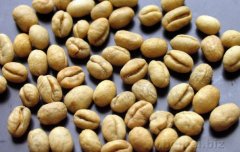
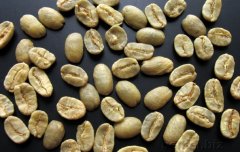
Ethiopian Mocha Coffee Green Beans Explained
When you taste a bright, wine-like Ethiopian coffee with deep floral and fruit complexity, you're likely experiencing the signature traits of Mocha-type beans—but what exactly are they? These aren’t just any beans; they come from Ethiopia, the birthplace of Arabica coffee, and have long been associated with some of the most distinctive and sought-after single-origin profiles in the world.
Ethiopian Mocha green beans are high-altitude-grown, labor-intensive coffees known for their wine-like acidity, intense aroma, and rich flavors. Key producing areas include Harrar, Sidamo, and Yirgacheffe, with beans graded G1 (best) to G8 based on defect rates.
What Are Ethiopian Mocha Coffee Green Beans?
Ethiopian Mocha green beans originate from the region considered the birthplace of Arabica coffee. These beans are cultivated at high altitudes and require meticulous hand care throughout the growing and harvesting process. The term 'Mocha' originally tied Ethiopian coffees to the famous port of Mocha in Yemen, through which Ethiopian beans were historically exported. Today, 'Mocha' is commonly used to refer to Ethiopian naturals, especially those with distinct fruity and winey profiles.
Where Are They Grown?
Ethiopian Mocha beans are grown in several renowned highland regions:
- Harrar (Eastern Highlands): Produces small beans with intense aroma. Harrar Mocha beans are known for unique flavor profiles and are often simply labeled as 'Mocha' or 'Harar Mocha'.
- Yirgacheffe (Southwestern Ethiopia): Famous for high-altitude cultivation (around 2000m), producing bright, citrusy, and floral coffees. Though not always called 'Mocha', it shares the genetic and processing heritage.
- Sidamo (Southern Ethiopia): Altitudes range from 1400–2200m. Sidamo beans are well-rounded with complex fruit and wine notes. Like Yirgacheffe, it’s technically separate but contributes to the broader 'Mocha' designation in export history.
These regions share ideal conditions: high elevation, volcanic soils, and a stable climate that fosters slow cherry maturation and complex flavor development.
How Are They Graded and Processed?
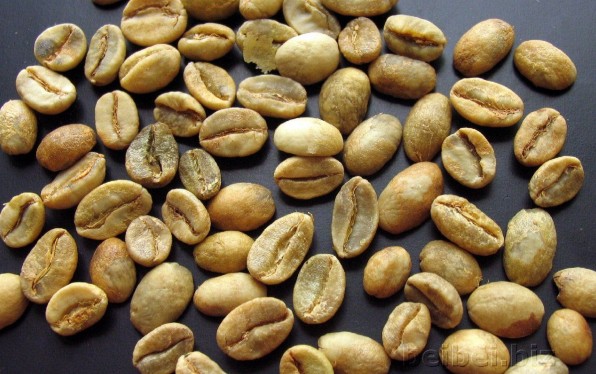
Ethiopian Mocha green beans are graded based on the ratio of defective beans, using a system from G1 (highest quality, least defects) to G8 (lowest grade, more defects). This grading affects cup quality and market value.
The majority of Mocha-type beans from Ethiopia are processed using the natural (dry) method, where coffee cherries are dried with the fruit still attached. This enhances the intrinsic sweetness and emphasizes fruity, wine-like, and sometimes blueberry or strawberry-like aromas. In some cases, washed (wet) processing is also used, particularly in Yirgacheffe and Sidamo, leading to cleaner, brighter profiles with high acidity and floral notes.
Why Does Ethiopian Mocha Taste Different?
The unique taste profile—wine-like acidity, intense floral and fruity notes, and a complex aromatic structure—comes from a mix of factors:
- High altitude: Slows cherry development, increasing sugar concentration and acidity.
- Natural processing: Enhances fruitiness and body through extended drying of the whole cherry.
- Genetic diversity: Ethiopia is home to hundreds of native Arabica varieties, many uncategorized, contributing to unpredictable and varied cup profiles.
- Soil and climate: Volcanic, nutrient-rich soils and consistent weather patterns support unique terroir expression.
The result is a green bean that, when roasted and brewed correctly, yields one of the most iconic and recognizable coffee experiences in the specialty world.
Frequently Asked Questions
What does 'Mocha' mean in Ethiopian coffee?
'Mocha' originally referred to coffee exported from Ethiopia through the Yemeni port of Mocha. Today, it commonly describes Ethiopian natural-process coffees with wine-like, fruity flavors, especially those from Harrar. It’s not a variety but a traditional trade and flavor designation.
Which Ethiopian regions produce Mocha-type beans?
The main regions include Harrar, Yirgacheffe, and Sidamo. Harrar is most closely associated with the 'Mocha' label due to its historical export route and natural processing style. Yirgacheffe and Sidamo, while technically separate designations, are part of the broader Ethiopian Mocha coffee heritage.
How are Ethiopian Mocha beans graded?
Ethiopian Mocha green beans are graded from G1 to G8, with G1 being the highest quality (lowest defect rate) and G8 the lowest. The grade is determined by the number of defective beans in a sample and significantly impacts cup quality.
What processing method is used for Mocha coffees?
Most Ethiopian Mocha beans are processed naturally (dry), where cherries dry intact to boost fruitiness and body. Some, especially from Yirgacheffe and Sidamo, are washed for a cleaner, brighter cup with high acidity and floral notes.
Are Harrar, Yirgacheffe, and Sidamo all Mocha coffees?
Not exactly. While Harrar is most commonly called 'Mocha', Yirgacheffe and Sidamo have their own identities. However, all three regions grow native Ethiopian varieties at high altitudes and contribute to what is broadly known as Ethiopian Mocha-type coffee in global trade.
What flavors should I expect from Ethiopian Mocha green beans?
Expect bright acidity, strong floral tones, and complex fruit flavors—often red berries, citrus, or tropical notes. Natural-processed Mocha beans typically show more winey, blueberry, or strawberry-like qualities, while washed versions highlight citrus, jasmine, and stone fruit.
Recommended FrontStreet Beans for Mocha Lovers
Explore Ethiopian origins with FrontStreet’s Ethiopia Humbera, a floral and juicy washed coffee with notes of blueberry, jasmine, and bergamot. For a classic natural profile, try FrontStreet’s Ethiopia Yirgacheffe Gedeb, offering lemon, bergamot, and tropical fruit. Both highlight the bright acidity and complex fruitiness typical of high-altitude Ethiopian beans. Freshly roasted within 5 days · Orders placed before 17:00 ship the same day · Next-day delivery across most of Guangdong Province.
FrontStreet Coffee is a long-established specialty coffee roaster in Guangzhou China, selling freshly roasted beans from its own farm in Yunnan as well as dozens of carefully selected single-origin beans from around the world for both pour-over and espresso. The products deliver consistently excellent quality and great value, with shipping within 24 hours. Guangzhou's FrontStreet Coffee shop is recommended by many coffee lovers, and the beans are now available online at the Tmall 。
Important Notice :
前街咖啡 FrontStreet Coffee has moved to new addredd:
FrontStreet Coffee Address: 315,Donghua East Road,GuangZhou
Tel:020 38364473