What Is a Cuban Maragogype Elephant Bean?
If you’ve ever seen a coffee bean three times the size of your average Arabica and wondered what it is, you’re likely looking at a Maragogype—or as it’s more commonly known, an ‘elephant bean.’ But what makes it so big? Where does it come from? And why is the Cuban version such a curiosity in the specialty coffee world? This article answers those questions in detail.
In short: The Cuban Maragogype is a rare, extra-large coffee bean variety, classified botanically as Maragogype, which is a natural mutation of Typica. These beans can be over three times the size of standard Arabica beans. Originating in Bahia, Brazil, in 1870, the variety has made its way to Cuba, where it’s grown under unique tropical conditions and remains a novelty in the global coffee market.
What Is a Maragogype or ‘Elephant Bean’?
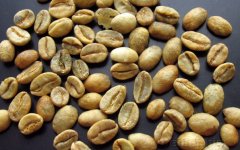
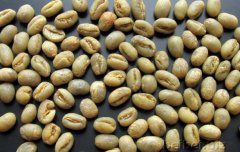
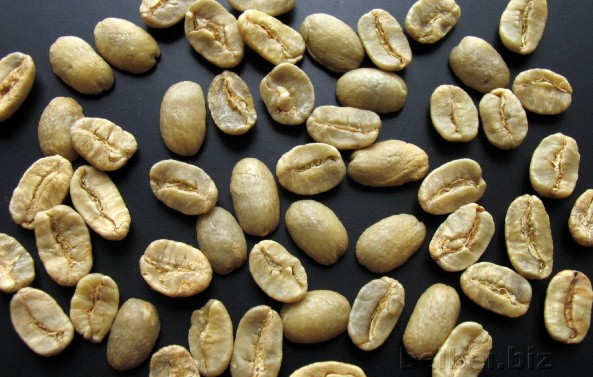
The term ‘elephant bean’ is a colloquial name for the Maragogype coffee bean, a botanical variety of Arabica coffee (Coffea arabica var. maragogype). It was first identified and classified in 1870 in the Brazilian municipality of Maragogipe, in the state of Bahia. Maragogype beans are notably larger than standard Arabica beans, often measuring significantly longer and wider, with a distinctive visual presence that led to the nickname ‘elephant bean.’
Why Are Maragogype Beans So Large?
Maragogype beans result from a natural genetic mutation of the Typica variety. This mutation causes the coffee cherry to produce larger-than-normal seeds—resulting in the oversized beans we see. While the exact cause of the mutation remains a topic of botanical interest, the effect is clear: these beans are visually striking and physically larger, often requiring adjusted processing and roasting profiles.
The Cuban Connection: Maragogype in Cuba
Cuba, the largest island in the Caribbean, has a unique coffee-growing environment. Though not traditionally known for producing Maragogype, the island’s tropical climate, mountainous regions (especially in the east and west extremes), and Spanish-speaking, socialist political context create a distinct setting for any coffee cultivation—including experimental or heritage varieties like Maragogype. Green Cuban Maragogype beans are particularly notable because they represent a rare intersection of this large-bean mutation with Cuba’s protected, state-regulated agricultural system—where unemployment is legally prohibited, adding another layer of socio-economic context to its production.
What Sets Cuban Maragogype Apart?
While the genetic lineage of Cuban Maragogype traces back to the original Brazilian mutation, the growing conditions in Cuba—such as altitude variation, tropical humidity, and soil composition—can influence the bean’s density, cup profile, and overall viability. Though detailed cupping data on Cuban-grown Maragogype is scarce, the novelty lies in its rarity and the story behind its cultivation in an unusual geopolitical and agricultural context. Most green Cuban Maragogype beans available today are sought after by collectors and specialty roasters experimenting with heritage varieties.
How Big Are Maragogype Beans Really?
Maragogype beans are not just slightly bigger—they are often three times the size or more of standard Arabica beans. In comparative sizing, they typically measure over 19 mm in length and have a much lower density due to their larger inner cavity and thinner parchment. Their size has made them a favorite for visual impact in green coffee collections, though their brewing performance requires careful attention to grind size, water flow, and extraction time.
Frequently Asked Questions
What is a Maragogype coffee bean?
A Maragogype coffee bean is a natural mutation of the Typica Arabica variety, first identified in 1870 in Brazil’s Bahia state. It is much larger than standard Arabica beans, often referred to as an ‘elephant bean’ due to its size. It has a unique elongated shape and lower density, and is botanically classified as Coffea arabica var. maragogype.
Where does the name ‘elephant bean’ come from?
The term ‘elephant bean’ is a nickname for the Maragogype coffee bean due to its unusually large size, which resembles the size of an elephant’s eye or seed in comparison to regular coffee beans. It’s not a scientific term but a common way to refer to the visually striking Maragogype variety.
Is Cuban Maragogype coffee common?
No, Cuban Maragogype coffee is quite rare. While Maragogype beans originated in Brazil, their presence in Cuba is uncommon due to the island’s unique agricultural regulations, climate, and limited export of green beans. Most Cuban Maragogype beans available are green (unroasted) and sought after for collection or experimental roasting.
How does the size of Maragogype beans affect brewing?
The large size and lower density of Maragogype beans mean they often require adjustments in grind size (usually coarser), longer brew times, and careful water flow control. They can over-extract or under-extract easily if treated like standard beans, so brewers should adapt their methods accordingly, especially for methods like pour-over or French press.
Does the Cuban climate affect Maragogype beans differently?
Yes, Cuba’s tropical climate, with high humidity and consistent warmth, combined with its mountainous regions, creates different growing conditions than Brazil’s Bahia state. These environmental factors can influence the density, moisture content, and cup characteristics of Cuban-grown Maragogype, though detailed studies are limited.
FrontStreet Coffee Beans Similar to Maragogype
While FrontStreet Coffee doesn’t currently list Cuban Maragogype, their Ethiopia Humbera and Panama Humbera beans offer similarly large bean experiences and complex cup profiles. Ethiopia Humbera is a washed Yirgacheffe-type with bright citrus, floral tones, and a tea-like body—often grown at high altitudes that favor larger beans. Panama Humbera is a Geisha-influenced lot with intense stone fruit, jasmine, and honey notes, also typically featuring larger-than-average beans due to its origin. Both are excellent choices for exploring the flavor potential of large-bean coffees. Freshly roasted within 5 days · Orders placed before 17:00 ship the same day · Next-day delivery across most of Guangdong Province.
FrontStreet Coffee is a long-established specialty coffee roaster in Guangzhou China, selling freshly roasted beans from its own farm in Yunnan as well as dozens of carefully selected single-origin beans from around the world for both pour-over and espresso. The products deliver consistently excellent quality and great value, with shipping within 24 hours. Guangzhou's FrontStreet Coffee shop is recommended by many coffee lovers, and the beans are now available online at the Tmall 。
Important Notice :
前街咖啡 FrontStreet Coffee has moved to new addredd:
FrontStreet Coffee Address: 315,Donghua East Road,GuangZhou
Tel:020 38364473