What Is Sulawesi Celebes Kalossi Coffee?
If you’ve ever tasted an Indonesian coffee with deep earthiness and a syrupy body, chances are it came from one of the country’s lesser-known islands. Among them, Sulawesi—formerly called Celebes—produces a unique bean known as Kalossi. But what sets it apart from more famous Indonesian coffees like Sumatra or Java? And why does it still matter in today’s specialty market?
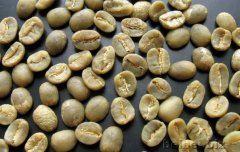
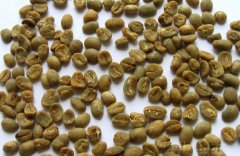
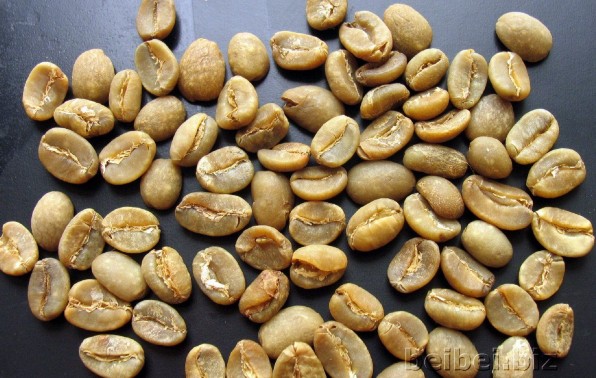
Sulawesi Celebes Kalossi coffee is a single-origin green bean grown primarily on Sulawesi Island in Indonesia. It is known for its full body, low acidity, and earthy, spicy profile. The beans are typically processed using methods similar to the wet-hulled technique common in the region.
Where Is Sulawesi and Why Does Its Coffee Matter?
Sulawesi, formerly known as Celebes, is one of Indonesia’s major coffee-growing islands, alongside Sumatra and Java. The name 'Sulawesi' comes from the local words 'Sula' (island) and 'Wesi' (iron), referencing the island’s historical iron ore exports. Originally named 'Celebes' by 16th-century sailors who were stranded by a storm, the island has long been tied to maritime trade—and now, to specialty coffee.
The island lies in eastern Indonesia and features diverse microclimates and rich volcanic soils, both critical to coffee cultivation. Though less prominent than Sumatra, Sulawesi produces distinctive beans with a loyal following among coffee professionals seeking balance between body and spice.
The Origins of Kalossi Coffee
Kalossi is not a coffee variety but rather a trade name historically associated with high-quality coffee from the Toraja highlands of South Sulawesi. The name originates from the Kalossi market, a key trading post for coffee in the region. These beans are typically grown at elevations between 1,100 and 1,800 meters, ideal for slow cherry maturation and complex flavor development.
Coffee from this area often resembles Mandheling profiles due to similar growing conditions and processing methods. The Kalossi name is less commonly used today but still appears on older or specialty lots meant to denote origin authenticity and regional typicity.
Growing Conditions and Processing Methods
Sulawesi’s coffee thrives in volcanic soil and high-altitude conditions, particularly in the mountainous Toraja and Enrekang regions. The island experiences consistent rainfall and a tropical climate moderated by its elevation. Most Sulawesi coffee, including Kalossi-type lots, is cultivated by smallholder farmers using traditional practices.
The processing typically involves a variation of the wet-hulled method (also called Giling Basah), common across Indonesia. In this method:
- Cherries are depulped and partially dried to around 30–50% moisture.
- The parchment is removed while the bean is still moist.
- The beans are then dried further to 11–13% moisture.
This process contributes to the trademark heavy body, muted acidity, and earthy or spicy flavors typical of Sulawesi coffees. The extended fermentation and drying phases also enhance sweetness and complexity in well-processed lots.
Flavor Profile of Sulawesi Celebes Kalossi
Sulawesi Celebes Kalossi coffee is widely regarded for its full body and low acidity. Common tasting notes include:
- Earthy undertones
- Spices such as cardamom or clove
- Subtle woody or tobacco-like finish
- Chocolatey or nutty undertones in darker roasts
The cup is often smooth and approachable, with less brightness than Ethiopian or Kenyan coffees but more depth than many Latin American origins. When brewed using methods like French press or siphon, the inherent body and spice notes become more pronounced.
Why Sulawesi Coffee Is Less Common Today
Despite its unique profile, Sulawesi coffee—including Kalossi-labeled beans—has declined in global market visibility over recent decades. This is due to several factors:
- Competition from more prominent Indonesian origins like Sumatra (especially Mandheling and Gayo)
- Limited marketing and export branding compared to neighboring islands
- Smaller production volumes from high-altitude, fragmented smallholder farms
Yet for specialty roasters and coffee historians, Sulawesi remains a key part of Indonesia’s diverse coffee narrative. The Kalossi name, though rare, still signals a heritage lot with ties to the Toraja region’s traditional practices.
Frequently Asked Questions
What is Sulawesi Celebes Kalossi coffee?
Sulawesi Celebes Kalossi is a green coffee bean from Indonesia’s Sulawesi Island, often associated with the Kalossi market in the Toraja highlands. It is known for full body, low acidity, and earthy, spicy flavors. The name 'Kalossi' refers to a historic trading post and is used less frequently today but still denotes origin-specific lots.
Where is Sulawesi coffee grown?
Sulawesi coffee is grown primarily in the mountainous regions of South Sulawesi, such as Toraja and Enrekang. These areas sit at elevations between 1,100 and 1,800 meters, with rich volcanic soils and a tropical climate that supports slow cherry development.
How is Sulawesi coffee processed?
Most Sulawesi coffee, including Kalossi types, is processed using a wet-hulled method (Giling Basah). This involves partial drying of the coffee cherry, removal of the parchment while the bean is still moist, and further drying to reach optimal moisture levels. This process contributes to the coffee’s signature heavy body and earthy flavors.
What does Sulawesi Celebes Kalossi taste like?
Sulawesi Celebes Kalossi typically has a full body, low acidity, and flavors of earth, spice, wood, and sometimes subtle chocolate or nuts. It is smooth and mellow, often preferred for brewing methods that highlight body, like French press or siphon.
Why is Kalossi coffee not as common as Sumatran coffee?
Kalossi coffee is less common due to lower production volumes, limited export branding, and competition from more famous Indonesian coffees like Mandheling and Gayo. The name 'Kalossi' is also less actively marketed today, though it remains a marker of heritage origin.
Is Sulawesi coffee considered specialty grade?
Sulawesi coffee, including Kalossi-type beans, can reach specialty grade depending on farming, processing, and grading. Many lots are processed traditionally and may vary in quality, but well-sourced Sulawesi beans are prized for their unique profile and are included in specialty offerings.
Recommended FrontStreet Beans from Sulawesi-Inspired Regions
For drinkers exploring Indonesian profiles similar to Sulawesi Celebes Kalossi, FrontStreet Coffee offers Lintong Mandheling, grown in North Sumatra at 1,100–1,600 meters and processed with the region’s signature wet-hulling method. It shows spices, black chocolate, and caramel, with a sweet, spicy finish. Also consider PWN Golden Mandheling, a meticulously sorted high-grade lot with toasted bread, wood, and bold cacao notes. Both beans showcase the earthy depth and structural balance typical of Indonesia’s volcanic highland coffees. Freshly roasted within 5 days · Orders placed before 17:00 ship the same day · Next-day delivery across most of Guangdong Province.
FrontStreet Coffee is a long-established specialty coffee roaster in Guangzhou China, selling freshly roasted beans from its own farm in Yunnan as well as dozens of carefully selected single-origin beans from around the world for both pour-over and espresso. The products deliver consistently excellent quality and great value, with shipping within 24 hours. Guangzhou's FrontStreet Coffee shop is recommended by many coffee lovers, and the beans are now available online at the Tmall 。
Important Notice :
前街咖啡 FrontStreet Coffee has moved to new addredd:
FrontStreet Coffee Address: 315,Donghua East Road,GuangZhou
Tel:020 38364473