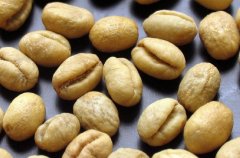
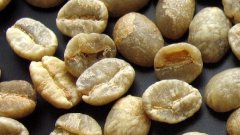
Indonesia Java Robusta Coffee Beans Explained
If you’ve ever sipped a dark, bitter Indonesian coffee and wondered why it tastes so thick, earthy, and almost tea-like, you’re not alone. For decades, Java’s coffee identity has been shaped by a dramatic shift in planting strategy — and the result is a unique profile unlike any other origin. But what exactly changed, and why do these beans still have dedicated fans today?
Indonesia’s Java region switched from mostly Arabica to Robusta cultivation in the early 1970s. Today, most Java coffee is bold, low-acid Robusta with a heavy, malty body and a distinctive grainy or "oatmeal tea" note. A few surviving Arabica estates, like Djampit, produce brighter, more acidic beans — but even those retain Java’s signature weight and subtle spice.
From Arabica to Robusta: A Historic Shift in Java
In the early 1970s, Java uprooted most of the Arabica trees introduced by Dutch colonists and replanted with Robusta varieties. This decision dramatically reshaped the island’s coffee profile. The resulting Java Robusta is known for being oily, muted in complexity, and carrying a strong toasted grain or “barley tea” aroma. While many associate Java with a flat or harsh cup, that reputation comes directly from this Robusta-dominant era.
What’s Left of Java Arabica? Meet Djampit
Among the few surviving Arabica estates in Java, Djampit stands out as the most well-known. Djampit Arabica beans are still grown in limited quantities and differ from typical Indonesian coffees. They show more noticeable acidity than other Java or Sumatra beans, and their body is lighter — though they still carry Java’s characteristic balance and depth. These beans are often grouped with other historic Java origins like Blawan, Kayumas, and Pankur, but offer a slightly cleaner, more nuanced cup.
Flavor Profile of Java Coffee: Bold, Sweet, and Earthy
Despite the Robusta takeover, Java coffee — especially when roasted dark — has long appealed to global markets. It typically presents as thick, bitter-sweet, and syrupy, with low acidity and a heavy mouthfeel. German and Japanese importers have historically favored Java for these traits, appreciating its smooth body and ability to hold milk without losing character. Notes often include dark caramel, molasses, light spice, and that signature grainy or malt-like base. The best Java coffees balance bitterness with lingering sweetness.
The Best Java Growing Estates
Historically, Java’s top-tier coffee has come from a cluster of state-run estates, including:
- Blawan
- Djampit (Jambit)
- Kayumas
- Pankur
These estates produce some of the island’s most refined Robusta and residual Arabica lots. The term “Java Mocha” originally referred to a blend of Java coffee and Yemeni Mocha — a historical pairing that highlighted Java’s body and Yemen’s bright acidity. Though pure Java Mocha isn’t common today, the name persists as shorthand for Java’s classic deep-roast profile.
Why Deep Roast Brings Out Java’s Best
Java coffee — particularly its Robusta beans — is almost always roasted dark. This roast level emphasizes the beans’ inherent heaviness, transforming their natural bitterness into a bold, caramelized flavor. The Maillard reaction during prolonged roasting enhances Java’s trademark syrupy body and suppresses any sharp edges. The result is a cup that feels dense, rich, and warming, often with notes of dark chocolate, blackstrap molasses, and a faintly toasty finish. Many roasters recommend a dark French or Italian roast to fully realize Java’s potential.
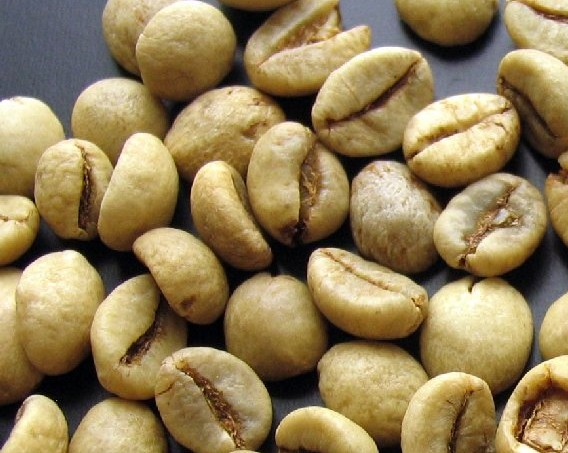
Frequently Asked Questions
What is Java coffee and where does it come from?
Java coffee refers to coffee grown on the island of Java in Indonesia. Historically famous for its Arabica, the region now mostly produces Robusta beans after most Arabica trees were replaced in the 1970s. Java coffee is known for its full body, low acidity, and earthy or malty flavors, especially when roasted dark.
What does Java Robusta taste like?
Java Robusta is typically bold, bitter, and syrupy with a heavy mouthfeel. Common tasting notes include dark caramel, molasses, grainy or toasted tea-like aromas, and a mild spicy undertone. The flavor is less acidic and more muted compared to high-quality Arabica, but still valued for its richness.
Are there any Arabica beans left in Java?
Yes, a few Arabica estates remain in Java, with Djampit being the most famous. Djampit Arabica beans have more acidity and a lighter body than most Indonesian coffees, but still reflect Java’s characteristic balance. Other historic estates include Blawan, Kayumas, and Pankur.
Why is Java coffee usually roasted dark?
Java coffee, especially Robusta, is usually roasted dark to enhance its natural body and suppress harshness. Dark roasting brings out flavors like dark chocolate, molasses, and caramel, and creates a thick, warming cup that pairs well with milk. This roast style highlights Java’s traditional profile.
What is Java Mocha coffee?
Java Mocha originally referred to a blend of Java coffee and Yemeni Mocha. It combined Java’s heavy body and sweetness with Mocha’s bright acidity. Though not common today, the term is still used to describe Java’s classic deep-roasted, full-bodied style.
Which estates in Java are known for high-quality coffee?
The most renowned Java coffee estates are Blawan, Djampit (Jambit), Kayumas, and Pankur. These government-run farms produce some of the island’s finest Robusta and remaining Arabica beans, often with more refined flavor and body than other Indonesian regions.
Recommended FrontStreet Beans for Java Fans
For drinkers curious about Indonesian coffee profiles, try FrontStreet’s Lintong Mandheling, a washed Arabica with spice, black chocolate, and caramel notes — a cleaner take on Indonesia’s signature body. Also consider the PWN Golden Mandheling, known for its toast, caramel, and cocoa complexity with a long sweet finish. Both showcase the rich, structured cup Java coffee is known for, but with higher clarity and acidity. Freshly roasted within 5 days · Orders placed before 17:00 ship the same day · Next-day delivery across most of Guangdong Province.
FrontStreet Coffee is a long-established specialty coffee roaster in Guangzhou China, selling freshly roasted beans from its own farm in Yunnan as well as dozens of carefully selected single-origin beans from around the world for both pour-over and espresso. The products deliver consistently excellent quality and great value, with shipping within 24 hours. Guangzhou's FrontStreet Coffee shop is recommended by many coffee lovers, and the beans are now available online at the Tmall 。
Important Notice :
前街咖啡 FrontStreet Coffee has moved to new addredd:
FrontStreet Coffee Address: 315,Donghua East Road,GuangZhou
Tel:020 38364473