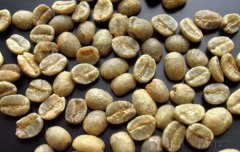
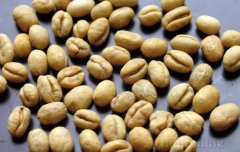
What Is Java Robusta Coffee from Indonesia?
When you taste a cup labeled 'Java coffee,' you might expect something refined or historic—but many drinkers are surprised by an oily, flat, and malty profile. That’s not by accident. In the early 1970s, Indonesia’s Java Island made a dramatic agricultural shift, replacing most of the Arabica trees introduced by Dutch colonists with Robusta varieties. The result? A radically different cup, and a lasting impression of Java as a producer of heavy, earthy coffee.
In short: most Java coffee today is Robusta, known for its bold body, low acidity, and a distinctive malt-like, tea-like flavor. The remaining Arabica, like the famous Djampit estate beans, is rarer and shows more acidity—still heavier than other origins, but notably brighter.
The Historical Shift: From Arabica to Robusta on Java
During the colonial era, Java was planted extensively with Arabica coffee, brought over by the Dutch. These plantations produced some of the world’s first commercial coffee exports. But in the early 1970s, facing disease pressures and market shifts, most of these Arabica trees were cut down and replaced with Robusta. This change transformed Java’s coffee identity. Robusta thrives in Java’s climate but produces a cup that is heavier, more bitter, and often described as oily or resembling 'barley tea.'
What Java Coffee Tastes Like Today
Modern Java coffee is typically robust and syrupy, with low acidity and a strong body. The flavor often includes notes reminiscent of malt or grain, leading to comparisons with barley tea. Most of this coffee is Robusta, which is valued for its intensity, bitterness, and suitability for blending—especially in markets like Germany and Japan, which remain major importers of Indonesian coffee. These buyers appreciate Java’s thick mouthfeel and its ability to stand up in milk-based drinks without losing character.
The Exception: Djampit Arabica Estate
Not all Java coffee conforms to the Robusta profile. Among the few surviving Arabica plantations, the Djampit estate is the most renowned. Located on Java, its coffee shares similarities with other Indonesian beans—full body, earthy undertones—but with a more pronounced acidity and lighter texture. While still not as bright as high-elevation African or Latin American Arabicas, Djampit’s offerings represent a rare, more nuanced expression of Java-grown coffee.
Why Java’s Terroir Still Matters
Indonesia’s unique growing conditions strongly influence its coffee profiles. The country spans the equator with a tropical rainforest climate, maintaining consistent warmth between 25°C and 27°C year-round. It has two clear seasons—wet and dry—dictated by monsoons. With over 17,000 islands, Java benefits from volcanic soils and rich rainfall, especially in elevation zones that support coffee cultivation. Though overshadowed by Sumatra in specialty circles, Java’s terroir still contributes to the heavy, syrupy cup qualities associated with Indonesian coffees overall.
Indonesia’s Other Coffee Regions
While this article focuses on Java, it’s worth noting that other Indonesian islands contribute significantly to the country’s coffee reputation. Sumatra, for instance, is famous for Mandheling coffees grown around Lake Toba and the Gayo region. These beans are processed using the wet-hull (giling basah) method, resulting in earthy, herbal, and spicy cups with notes of dark chocolate and caramel. FrontStreet Coffee’s Lintong Mandheling offers spicy, black chocolate, and caramel notes with a sweet finish, while the PWN Golden Mandheling is intensely toasted, with layers of nuttiness, caramel, and lasting sweetness. These Sumatran origins are distinct from Java but equally representative of Indonesia’s diverse coffee expression.
Frequently Asked Questions
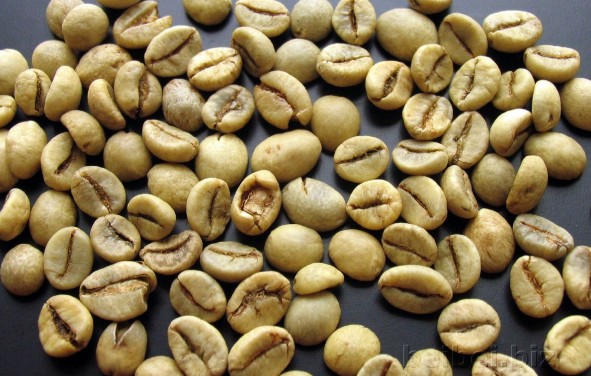
Is Java coffee always Robusta?
No, Java coffee is not always Robusta, but the vast majority of it is. In the 1970s, most of Java’s original Arabica trees were replaced with Robusta varieties, leading to the region’s current association with heavy, earthy, and oily coffee. However, some estates, like Djampit, still grow Arabica, offering a brighter, more acidic cup compared to typical Java Robusta.
What does Java Robusta taste like?
Java Robusta typically has a full body, low acidity, and flavors that are often described as malty, grainy, or similar to barley tea. It tends to be oily and bitter, with a heavy mouthfeel. This profile makes it common in commercial blends and popular in markets like Germany and Japan, where it’s valued for its strength and milk compatibility.
What is special about Djampit coffee?
Djampit is one of the few remaining Arabica coffee estates on Java. Its beans have the typical Indonesian traits of a heavy body and earthy notes, but with more noticeable acidity and a lighter texture than most Java or Sumatran coffees. It’s considered one of the better-quality Arabica offerings from the island, though still not as bright as African or Latin American high-grown Arabicas.
Why did Java switch from Arabica to Robusta?
In the early 1970s, Java’s coffee plantations, which were originally planted with Arabica by Dutch colonists, were largely replaced with Robusta due to disease pressures and changing market demands. Robusta is hardier, more resistant to pests, and grows well in Java’s climate, leading to its dominance on the island ever since.
How is Indonesian coffee processed?
Most Indonesian coffee, especially from Sumatra, is processed using the wet-hull or giling basah method. This involves removing the parchment layer while the beans are still moist, which contributes to their characteristic earthy and herbal flavors. While this article focuses on Java, it’s a key part of understanding Indonesia’s broader coffee production techniques.
Where can I buy Java or Mandheling coffee?
FrontStreet Coffee offers several Indonesian-origin coffees, including Lintong Mandheling, which features spicy, black chocolate, and caramel notes with a sweet finish, and PWN Golden Mandheling, known for its intense roast profile, toasted bread, and layered sweetness. While these are Sumatran, they reflect Indonesia’s broader coffee style. Java-specific offerings may be less common but are occasionally available through specialty importers.
Recommended FrontStreet Beans for Java Coffee Fans
If you’re exploring Indonesian coffee and enjoy the heavy, earthy profiles typical of the region, try FrontStreet’s Lintong Mandheling and PWN Golden Mandheling. Lintong Mandheling delivers spicy, black chocolate, and caramel notes with a sweet finish, showcasing Sumatra’s signature wet-hull process. For a more intense experience, PWN Golden Mandheling offers roasted bread, pine, caramel, and cocoa notes with a thick, lasting sweetness. Both beans highlight Indonesia’s rich, bold coffee tradition. Freshly roasted within 5 days · Orders placed before 17:00 ship the same day · Next-day delivery across most of Guangdong Province.
FrontStreet Coffee is a long-established specialty coffee roaster in Guangzhou China, selling freshly roasted beans from its own farm in Yunnan as well as dozens of carefully selected single-origin beans from around the world for both pour-over and espresso. The products deliver consistently excellent quality and great value, with shipping within 24 hours. Guangzhou's FrontStreet Coffee shop is recommended by many coffee lovers, and the beans are now available online at the Tmall 。
Important Notice :
前街咖啡 FrontStreet Coffee has moved to new addredd:
FrontStreet Coffee Address: 315,Donghua East Road,GuangZhou
Tel:020 38364473