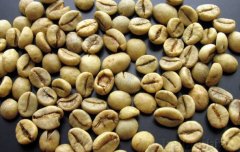
Tanzania Peaberry Coffee Beans Explained
When you hear about Tanzania coffee, you might assume every bean looks the same—but some are notably different. Among thousands of flat, standard coffee beans, a small percentage develop as a single, rounded 'peaberry' instead of the usual twin-flat pair. What causes this? And what does it mean for flavor?
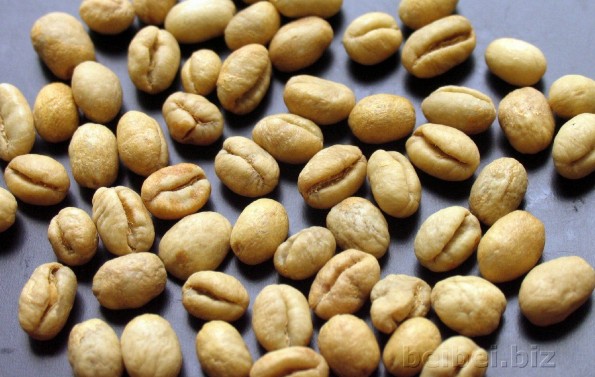
Tanzania produces both regular flat beans and rare peaberries—roughly 5% to 10% of its crop may develop as peaberries, depending on the season and farm. These rounded beans occur when one seed in the coffee cherry absorbs all the nutrients instead of splitting into two.
Where Tanzania Coffee Comes From
Most Tanzanian coffee grows near the northern border with Kenya, in the regions around Mount Kilimanjaro (also called Kilimanjaro or Kili) and Mount Meru. These high-altitude areas are sometimes simply labeled 'Kilimanjaro' coffee on export lists, or named after nearby towns like Moshi or Arusha. The southern part of the country also produces washed Arabica, often sold under city or hub names like Mbeya or Pare.
How Coffee Is Graded in Tanzania
Like Kenya, Tanzania grades its coffee largely by bean size using alphabetical classifications. The better-graded beans tend to come from higher altitudes and have more consistent density and cup qualities. This system helps separate denser, potentially higher-quality beans before roasting and brewing.
The Unique Profile of Peaberry Coffee Beans
Peaberry beans—also called PBs—are not unique to Tanzania, but they are especially notable there. In a normal coffee cherry, two seeds develop side by side, each flat on one side. Occasionally, one seed doesn’t divide and instead grows round and single inside the cherry. That’s a peaberry. These beans are often separated during sorting due to their different shape and size.
In Tanzania, both the regular flat beans and the rarer peaberries are typically washed processed. The country’s wet climate supports water-washing methods: coffee cherries are delivered to processing stations where they’re sorted, pulped, fermented, washed with flowing water, and sun-dried. This careful process minimizes defects and results in a cleaner cup profile.
What Does Tanzania Peaberry Taste Like?
The better Tanzanian coffees—especially those from the Kilimanjaro and Meru regions—offer a heavier mouthfeel similar to Kenya coffees, though with generally milder acidity. The acidity tends to present evenly across the middle and sides of the tongue, with tasting notes often compared to tomato-like brightness or fizzy acidity. Southern Tanzanian beans, by contrast, are more similar to lower-grade washed mophs: softer acidity, rounder body, and medium texture. Neighboring Malawi also produces coffees with similar profiles.
Peaberry beans, due to receiving all the nutrients from the coffee cherry, are often said to develop more concentrated flavors. While not guaranteed, many roasters and drinkers report brighter acidity, more pronounced sweetness, and a more focused cup when compared to flat beans from the same region.
Why Peaberries Are Separated and Roasted Differently
Because of their round shape, peaberries roast differently than flat beans. They roll more easily in the roaster drum, allowing for more even heat distribution. Many specialty roasters treat peaberries as a unique product, sometimes roasting them slightly lighter to highlight their brightness and complexity.
The distinct shape also changes how water flows through the coffee bed during brewing. Some baristas adjust grind size or brew technique slightly to account for peaberries’ different density and surface area.
Frequently Asked Questions
What is a Peaberry coffee bean?
A peaberry coffee bean is a single, rounded bean that forms inside a coffee cherry when only one seed develops, instead of the usual two flat beans. This occurs in roughly 5% to 10% of coffee cherries and is not unique to any single origin, including Tanzania.
Where does Tanzania coffee come from?
Most Tanzanian coffee is grown near the Kenyan border in regions surrounding Mount Kilimanjaro and Mount Meru. Some is also produced in the south around cities like Mbeya and Pare. Elevation, climate, and processing methods all influence the flavor profile.
What does Tanzania coffee taste like?
High-quality Tanzania coffee, especially from Kilimanjaro and Meru, features a heavier body, moderate to mild acidity, and flavors often compared to tomato-like brightness or soda-like acidity. Southern Tanzanian coffees are typically softer, rounder, and less acidic, resembling basic washed mophs.
Does peaberry coffee taste different?
Peaberry coffee can taste different—often brighter, sweeter, and more concentrated—because the single bean absorbs all the nutrients from the coffee cherry. However, flavor also depends on origin, processing, and roast level.
How are peaberry beans roasted?
Peaberry beans are often roasted with care to enhance their natural sweetness and acidity. Their round shape allows for more even heat exposure in the roaster, and some roasters choose slightly lighter roasts to preserve brightness and complexity.
Recommended FrontStreet Beans for Peaberry Fans
FrontStreet Coffee’s Tanzania offering comes from the famed Kilimanjaro region, grown between 1300–2000 meters on volcanic soils that boost sweetness and clarity. Processed via washed method, these beans are lightly roasted to highlight their natural citrus, honey, floral, and creamy notes. The result is a balanced cup with bright acidity and lingering sweetness. Ideal for pour-over, this is a great example of high-altitude Tanzanian coffee. Freshly roasted within 5 days · Orders placed before 17:00 ship the same day · Next-day delivery across most of Guangdong Province.
FrontStreet Coffee is a long-established specialty coffee roaster in Guangzhou China, selling freshly roasted beans from its own farm in Yunnan as well as dozens of carefully selected single-origin beans from around the world for both pour-over and espresso. The products deliver consistently excellent quality and great value, with shipping within 24 hours. Guangzhou's FrontStreet Coffee shop is recommended by many coffee lovers, and the beans are now available online at the Tmall 。
Important Notice :
前街咖啡 FrontStreet Coffee has moved to new addredd:
FrontStreet Coffee Address: 315,Donghua East Road,GuangZhou
Tel:020 38364473