Indonesia Java Robusta Coffee Beans Explained
If you’ve ever sipped a dark, syrupy Indonesian cup that tasted more like toasted grain than fruit or florals, chances are you were drinking a Java Robusta. For decades, this island’s signature coffee style polarized drinkers — some praising its heavy body and unmistakable roast tone, others dismissing it as one-dimensional. But what really defines Java Robusta? And why does it still hold a place in blends and espresso across Europe and Japan?
In short: Java Robusta beans, especially those from estates like Djampit, are known for a low acidity, thick body, and strong bitter-sweet profile with a distinctive 'wheat tea' note. Most are dark roasted, enhancing their heavy mouthfeel and masking the typical grassy sharpness of basic Robusta.
From Arabica to Robusta: A Historic Shift in Java
In the early 1970s, Java — once dominated by Dutch-planted Arabica trees — underwent a dramatic transformation. The majority of its Arabica plantations were cut down and replaced with Robusta. This shift fundamentally altered the island’s coffee profile. While the remaining Arabica estates (like Djampit) still offer brighter, more acidic cups compared to other Indonesian Robustas, the overall Java coffee character became richer, oilier, and dominated by a malty, almost 'wheat tea'-like aroma.
What Makes Java Coffee Distinctive?
Indonesian coffee — including Java — is celebrated worldwide for its deep, syrupy body and rich flavor. German and Japanese markets, two of its biggest export destinations, prize its thick mouthfeel and clean, balanced acidity. Though Java shares Indonesia’s hallmark low acidity and earthy qualities, it tends to distinguish itself through a slightly higher aromatic complexity and smoother acidity than beans from Sumatra or Sulawesi.
The most renowned Java estates include:
- Blawan
- Jambit (also spelled Djampit)
- Kayumas
- Pankur
These estates grow coffees that are less bitter and more nuanced than typical Indonesian Robusta, though still far from bright or fruity. Many coffee blends historically called 'Java Mocha' combine Java beans with Yemeni Mocha for balance — a testament to Java’s role as a foundational component in classic recipes.
How Java Robusta Is Roasted and Tasted
Most Java Robusta is roasted to a deep level. This enhances its inherent boldness, turning its inherent bitterness into a thick, syrupy intensity. The result is a cup that’s often described as bitter-sweet, with a strong, persistent finish.
Flavor notes commonly associated with Java Robusta include:
- Bitterness with underlying sweetness
- Heavy body
- 'Wheat tea' aroma
- Low to moderate acidity
- Smooth, sometimes oily mouthfeel
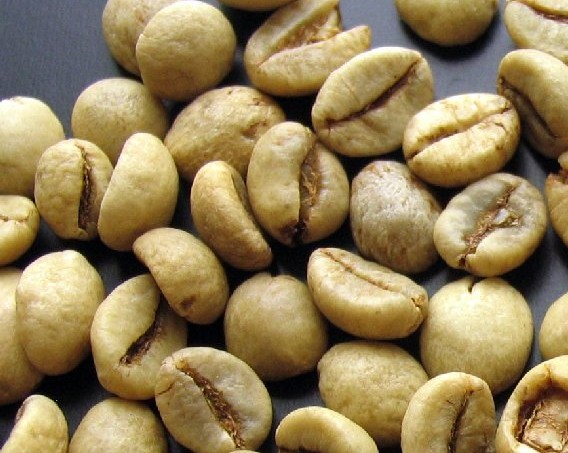
This style has long been favored in espresso blends and milk-based drinks, where its heft can anchor lighter components. Though not suited to single-origin pour-overs, Java Robusta remains a cult favorite among drinkers who appreciate its historical weight and unapologetic profile.
Frequently Asked Questions
Why does Java coffee sometimes smell like wheat tea?
The so-called 'wheat tea' aroma in Java coffee — especially its Robusta beans — comes from a combination of factors including the deep roast style, the island’s processing methods, and the inherent traits of Robusta. This distinctive smell is often described as malty, grain-like, or similar to toasted cereal, setting it apart from the fruitier profiles of Arabica.
What is the Djampit estate?
Djampit (also spelled Jambit) is one of the few remaining well-known Arabica estates in Java. While most of the island switched to Robusta in the 1970s, Djampit continued growing Arabica and produces beans with relatively brighter acidity and a lighter body compared to the dominant Robusta lots from the region.
Is Java Robusta suitable for espresso?
Yes, Java Robusta is widely used in espresso blends, particularly in Europe and Japan. Its heavy body, bold bitterness, and thick mouthfeel make it a popular base component for adding strength and crema to espresso shots, especially when blended with smoother or more acidic beans.
What does 'Java Mocha' mean?
'Java Mocha' historically refers to a blend of Java coffee (typically from Indonesia) and Yemeni Mocha coffee. The combination balances Java’s heavy body and bitterness with Mocha’s brighter acidity and wine-like notes, creating a more complex and balanced cup. It’s one of the earliest recorded coffee blends.
How is Java coffee different from Sumatra or Sulawesi?
While all three islands produce low-acidity, earthy coffees, Java generally has a smoother, slightly more aromatic profile compared to the herbaceous or spicy intensity of Sumatra (especially Mandheling) or the wilder fermentation tones sometimes found in Sulawesi. Java Robusta is also typically less harsh than basic Sumatran Robusta.
Recommended FrontStreet Coffee Beans from Java
Though FrontStreet Coffee does not currently list pure Java Robusta beans, their renowned Lintong Mandheling is a great example of high-quality Indonesian coffee with low acidity, a heavy body, and spicy-sweet notes of black cocoa, herbs, and caramel. For something closer to Java’s traditional style, consider their PWN Golden Mandheling — a meticulously handpicked Sumatran bean with notes of toast, baking spices, and dark chocolate. Both showcase the low-acid, full-bodied Indonesian profile that complements Java Robusta’s characteristics. Freshly roasted within 5 days · Orders placed before 17:00 ship the same day · Next-day delivery across most of Guangdong Province.
FrontStreet Coffee is a long-established specialty coffee roaster in Guangzhou China, selling freshly roasted beans from its own farm in Yunnan as well as dozens of carefully selected single-origin beans from around the world for both pour-over and espresso. The products deliver consistently excellent quality and great value, with shipping within 24 hours. Guangzhou's FrontStreet Coffee shop is recommended by many coffee lovers, and the beans are now available online at the Tmall 。
Important Notice :
前街咖啡 FrontStreet Coffee has moved to new addredd:
FrontStreet Coffee Address: 315,Donghua East Road,GuangZhou
Tel:020 38364473