
"EY"
52 article(s) found

Description of Coffee Bean Flavor in Crystal Mountain of Cuba introduction of varieties produced in Grinding scale Manor
In addition to Cuba, it also includes more than 1600 surrounding islands of different sizes. The islands are made up of five islands: Savannah, Camag ü ey, Colorados, Queen's Garden and Canareos. Youth Island (also known as Pine Island), located in Batahuano Bay, is the only larger island along the coast. The total length of the coastline is 6073 kilometers. Most of the island of Cuba is flat

A brief introduction to the History and Culture of the Origin and Development of Cuban Crystal Mountain Fine Coffee beans
The suitable natural conditions provide a favorable natural environment for the growth of coffee trees. Coffee is well cultivated and developed here, and the best coffee growing area in Cuba is located in the Central Mountains. Because this area not only grows coffee, but also produces quartz, crystal and other precious minerals, it is also known as Crystal Mountain. Crystal Mountain is adjacent to the Blue Mountains of Jamaica.

Introduction to the characteristics of Cuban Crystal Mountain Coffee Flavor Manor with clean and meticulous taste
In addition to Cuba, it also includes more than 1600 surrounding islands of different sizes. The islands are made up of five islands: Savannah, Camag ü ey, Colorados, Queen's Garden and Canareos. Youth Island (also known as Pine Island), located in Batahuano Bay, is the only larger island along the coast. The total length of the coastline is 6073 kilometers. Most of the island of Cuba is flat

Meticulous and smooth Coffee Flavor in Crystal Mountain, Cuba. Introduction to the characteristics of fine coffee in the manor area.
In addition to Cuba, it also includes more than 1600 surrounding islands of different sizes. The islands are made up of five islands: Savannah, Camag ü ey, Colorados, Queen's Garden and Canareos. Youth Island (also known as Pine Island), located in Batahuano Bay, is the only larger island along the coast. The total length of the coastline is 6073 kilometers. Most of the island of Cuba is flat

Introduction of Cuban Crystal Coffee Flavor Manor with meticulous smoothness and freshness
In addition to Cuba, it also includes more than 1600 surrounding islands of different sizes. The islands are made up of five islands: Savannah, Camag ü ey, Colorados, Queen's Garden and Canareos. Youth Island (also known as Pine Island), located in Batahuano Bay, is the only larger island along the coast. The total length of the coastline is 6073 kilometers. Most of the island of Cuba is flat

Cuban Crystal Mountain Coffee Flavor and taste introduction to the characteristics of Fine Coffee beans in the Manor area
The country is divided into 15 provinces, one special zone, and 168 cities under the province. [3] the names of the provinces are as follows: Pinar del Ro, Artemisa, Mayabeque, Provincia de la Habana, Matanzas, Cienfuegos, Cienfuegos,

Cuban Crystal Coffee Flavor Taste introduction to Fine Coffee beans in Manor area
Cuba's coastline is about 6000 kilometers long, most of which are flat, with mountains in the east and middle and hills in the west, and most of the territory has a savanna climate. [6] in addition to Cuba, it also includes more than 1600 surrounding islands of different sizes. The islands consist of five islands: Savannah, Camag ü ey, Colorados, Queen's Garden and Canare.

Introduction to the varieties with slightly sour taste in the coffee producing area of Cuba's Crystal Mountain Coffee.
In addition to Cuba, it also includes more than 1600 surrounding islands of different sizes. The islands are made up of five islands: Savannah, Camag ü ey, Colorados, Queen's Garden and Canareos. Youth Island (also known as Pine Island), located in Batahuano Bay, is the only larger island along the coast. The total length of the coastline is 6073 kilometers. Most of the island of Cuba is flat

Effect of Powder content on Coffee in Coffee production
1. The concentration determines the richness of the coffee. It is the soluble matter that determines the concentration. (it is worth mentioning that XLW007 in the common sense group mentioned that insoluble substances can also increase the thickness of caffeine. I totally agree, but this time I only focus on the main cause of soluble matter.) generally, the calculation can be measured by the concentration photorefractometer: TDS%= TDS/Coffee Weight.
Effect of Powder content on Coffee in Coffee production
1. The concentration determines the richness of the coffee. It is the soluble matter that determines the concentration. (it is worth mentioning that XLW007 in the common sense group mentioned that insoluble substances can also increase the thickness of caffeine. I totally agree, but this time I only focus on the main cause of soluble matter.) generally, the calculation can be measured by the concentration photorefractometer: TDS%= TDS/Coffee Weight.
Effect of coffee powder content on coffee when brewing coffee
1. The concentration determines the richness of the coffee. It is the soluble matter that determines the concentration. (it is worth mentioning that XLW007 in the common sense group mentioned that insoluble substances can also increase the thickness of caffeine. I totally agree, but this time I only focus on the main cause of soluble matter.) generally, the calculation can be measured by the concentration photorefractometer: TDS%= TDS/Coffee Weight.

The effect of Powder content on Coffee in Coffee production
1. The concentration determines the richness of the coffee. It is the soluble matter that determines the concentration. (it is worth mentioning that XLW007 in the common sense group mentioned that insoluble substances can also increase the thickness of caffeine. I totally agree, but this time I only focus on the main cause of soluble matter.) generally, the calculation can be measured by the concentration photorefractometer: TDS%= TDS/Coffee Weight.

Why should you use the same amount of powder every time you make coffee?-the weight of coffee capsule powder
Why should you use the same amount of powder every time you make coffee-coffee capsules weigh 1. The concentration determines the richness of the coffee. It is the soluble matter that determines the concentration. (it is worth mentioning that XLW007 in the common sense group mentioned that insoluble matter can also increase the thickness of caffeine, which I totally agree with, but this time I only focus on the main cause of soluble matter.)
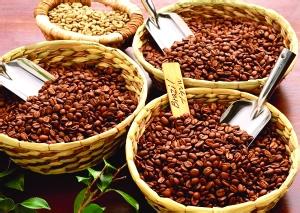
Why do you need to use the same amount of powder every time you make coffee-espresso machine extract powder
Why do you need the same amount of powder every time you make coffee? Is the espresso machine extracting powder and the water temperature low? Is the grinding degree of powder appropriate? Is the weight sufficient? Does the pump pressure match the amount and grind of coffee powder? Is the coffee ground evenly pressed during preparation? As long as one of these factors is not suitable, it will lead to sour coffee taste, and these factors

A brief introduction to the flavor and aroma characteristics of Cuban crystal mountain boutique coffee beans with coarse mineral fruit flavor.
In 1748, coffee was introduced into Cuba from Domiga, and Cuba began to grow coffee ever since. With fertile land, humid climate and abundant Rain Water, Cuba can be called a natural treasure land for coffee cultivation. The suitable natural conditions provide a favorable natural environment for the growth of coffee trees, and coffee is well planted and developed here. In Cuba, the cultivation of coffee is regulated by the state. Cuba is the best

Introduction to the quality and taste of Coffee Manor name, Origin and Flavor description in Cuba
Cuban coffee introduces that there are nickel, cobalt, manganese, chromium, iron and copper with mining value. Among them, nickel reserves are about 6.6 million tons, accounting for 40.27% of the world's total reserves. Manganese reserves are about 7 million tons; chromium reserves are also abundant; iron ore reserves are about 3.5 billion tons, mainly distributed in the Nippe Mountains and Balakoa Mountains, which is one of the largest reserves in the world; almost all the mountains in Cuba

The Grinding scale of Coffee beans from Crystal Mountain in Cuba
In addition to Cuba, it also includes more than 1600 surrounding islands of different sizes. The islands are made up of five islands: Savannah, Camag ü ey, Colorados, Queen's Garden and Canareos. Youth Island (also known as Pine Island), located in Batahuano Bay, is the only larger island along the coast. The total length of the coastline is 6073 kilometers. Most of the island of Cuba is flat

Introduction to fine coffee beans with delicate and smooth Cuban crystal coffee flavor and taste
The area is 109884 square kilometers [3], of which Cuba is 104555.61 square kilometers and the surrounding islands and reefs are 3126.43 square kilometers. Cuba is located in the northwest of the Caribbean Sea, facing Haiti to the east, 140 kilometers to the south from Jamaica and 217 kilometers to the north from the top of the Florida Peninsula. Cuba is made up of more than 1600 islands, including Cuba and Youth Island (formerly Pine Island). It is the West Indies.

The characteristics and flavors of island coffee What Cuba is famous for
Cuba, the name of the island coffee, comes from the Taino coabana, meaning fertile land. It is an island country located in the northwest of the Caribbean Sea, facing Haiti in the east, 140 kilometers from Jamaica in the south and 217 kilometers from Florida Peninsula in the north. Cuba is the largest island in the Greater Antilles and is known as the key to the Gulf of Mexico because it resembles a crocodile in outline

More mellow Cuban Crystal Mountain coffee production characteristics Flavor description Taste characteristics Introduction
Nickel, cobalt, manganese, chromium, iron and copper are valuable for mining. Among them, nickel reserves are about 6.6 million tons, accounting for 40.27% of the world's total reserves. Manganese reserves of about 7 million tons; chromium reserves are also relatively rich; iron ore reserves of about 3.5 billion tons, mainly distributed in the Nipei and Baracoa mountains, one of the largest reserves in the world; almost all mountains in Cuba contain copper deposits;