
"Ecuadorian"
1219 article(s) found

Ecuadorian coffee with mild taste and a hint of flowers and fruits introduces fine coffee.
The coffee beans produced in Ecuador's Galapagos Islands are organic coffee beans, thanks to the unique ecological environment such as volcanic soil and microclimate, coupled with the fact that they do not use any chemical fertilizers or pesticides, they are recognized as natural green boutique coffee. this naturally grown coffee has a mild taste with a hint of flowers and fruit and caramel. It is understood that the Galapagos Islands are far from Eritrea.

Unique aroma of Ecuadorian Coffee grind Variety characteristics of High quality Coffee beans
Ecuador is located in South America, the equatorial line runs through the country, so Ecuador is also known as the equatorial country. Ecuador's superior geographical location, fertile soil and special climatic conditions have created a superior natural environment for coffee cultivation in the country. Ecuador is one of the few countries in the world that can produce both Arabica and Robusta coffee beans. Speaking of Ecuador,

The world's best quality aromatic Ecuadorian coffee beans San Cristobal region
Ecuador is one of the few countries in South America that produces both Arabica coffee and Robaik coffee. The best Ecuadorian coffee is grown on San Cristobal Island in the Galapagos Islands, where natural conditions are unique to the best coffee houses in the world. Despite its low elevation, the islands are particularly affected by the ocean, and the climate in the area is

Introduction of Ecuadorian coffee bean flavor Ecuadorian Coffee Manor Santa Cruz Manor
When Thomas and the crew landed on the island, they were frantically looking for water and were so thirsty that they squeezed juice from the fat leaves of the cactus to drink. At last a source of water was found in a rocky gully. Thomas attributed it to the gift of God, because it was good Friday, and they had piously celebrated mass before they set out in search of water. But Thomas will never
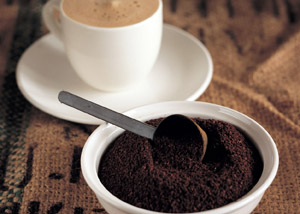
Introduction of Ecuadorian Coffee producing areas with balanced acidity and aromatic fragrance
Ecuador is one of the few countries in South America that produces both Arabica coffee and Robbins coffee. The best Ecuadorian coffee is grown on St. Cristobal Island in the Galapagos Islands, which has the unique natural geographical conditions for giving birth to the best quality coffee in the world. Although the island is at a low altitude, the climate of the area is specially affected by the ocean.

A brief introduction to the flavor, taste and aroma characteristics of Ecuadorian boutique coffee beans with balanced and refreshing taste
Ecuadorian coffee has distinctive South American coffee characteristics. The fragrance is soft, as if you can go back to the ancient and mysterious Inca empire. Coffee is a good history, you need to savor it carefully in order to understand the vicissitudes of life. Balanced with low acidity and rich aroma. The bitter taste is not obvious, the taste is clear, but there is a lingering aftertaste for a long time. Excellent

Introduction to the flavor of Ecuadorian coffee producing area Ecuadorian coffee tastes Santa Cruz
In 1535, Flatoma de Belanga and others of Spain stumbled upon the Galapagos Islands. Thomas was born in 1487 on the Duro River in the province of Soria, Spain. He was the fourth bishop of Panama at that time. He was ordered to go to Peru. When his ship set sail from Panama on February 23, under the impact of a strong current, they were taken to the unknown surface of the ocean.

The Ecuadorian coffee production in South America has introduced the San Cristobal region.
Ecuador is one of the few countries in South America that produces both Arabica coffee and Robbins coffee. The best Ecuadorian coffee is grown on St. Cristobal Island in the Galapagos Islands, which has the unique natural geographical conditions for giving birth to the best quality coffee in the world. Although the island is at a low altitude, the climate of the area is specially affected by the ocean.
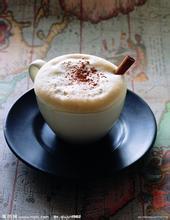
Ecuadorian Coffee Flavor taste Manor production area introduces Ecuadorian boutique coffee beans Galapagos
In 1535, Flatoma de Belanga and others of Spain stumbled upon the Galapagos Islands. Thomas was born in 1487 on the Duro River in the province of Soria, Spain. He was the fourth bishop of Panama at that time. He was ordered to go to Peru. When his ship set sail from Panama on February 23, under the impact of a strong current, they were taken to the unknown surface of the ocean.

Galapagos Coffee Flavor of Ecuador Coffee introduction to the characteristics of Ecuadorian coffee beans
In addition, creative coffee made from Ecuadorian coffee beans with unique flavor is also popular with consumers. Mr. Veniso, the champion of the 2014 Ecuador Coffee Competition, won the Ecuador Coffee Competition with his creative formula. One espresso has a fresh and unique taste with mint grass from the Amazon, while the other adds Rolls in roses
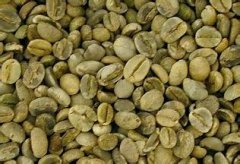
A brief introduction to the history and culture of the origin and development of balanced and refreshing Ecuadorian boutique coffee beans
Galapagos Islands coffee is recognized as green natural coffee, because the Ecuadorian government has designated the islands as a national park, not only does it no longer allow the reclamation of new agricultural land, but also forbids the use of chemical fertilizers, pesticides, herbicides and other chemicals. Although the elevation of about 200m on the island is very low, the climate of this area is equivalent to terrestrial 1000m1800m due to the special influence of the sea.

The taste of Ecuadorian coffee is amazing. The characteristics of the manor area introduce the fine coffee of Ecuador.
The coffee beans produced in Ecuador's Galapagos Islands are organic coffee beans, thanks to the unique ecological environment such as volcanic soil and microclimate, coupled with the fact that they do not use any chemical fertilizers or pesticides, they are recognized as natural green boutique coffee. this naturally grown coffee has a mild taste with a hint of flowers and fruit and caramel. It is understood that the Galapagos Islands are far from Eritrea.

Do Ecuadorian coffee have boutique coffee beans? how about coffee beans washed with Ecuadorian Loha coffee?
Professional coffee knowledge exchange more coffee bean information please follow the coffee workshop (Wechat official account cafe_style) Ecuador Coffee Loha Province Puyango Town Ivory Forest 1300-1800 m washed Ecuador Loja Puyango Bosques de Marfil 1300-1800m Washed Ecuador is one of the few countries where Arabica and Robusta are grown, and when landlords

A brief introduction to the Origin, Development, History and Culture of fragrant Ecuadorian Fine Coffee beans
When it comes to Ecuadorian coffee, we have to mention Ecuadorian organic coffee in the Galapagos Islands. The Galapagos Islands is a famous tourist attraction, declared as a World Natural Heritage site by the United Nations Educational, Scientific and Cultural Organization (UNESCO). It is extremely rich in products, and organic coffee is a unique one of them. The local fertile volcanic soil, microclimate and other unique ecological environment

Introduction to the flavor and taste characteristics of Ecuadorian coffee manor with balanced low acidity
When it comes to Ecuadorian coffee, we have to mention the organic coffee in the Galapagos Islands of Ecuador. The Galapagos Islands, a famous tourist attraction, has been declared a World Natural Heritage site by the United Nations Educational, Scientific and Cultural Organization (UNESCO). It is extremely rich in products, and organic coffee is one of the unique ones. The local fertile volcanic soil, micro-climate and other unique ecological environment, coupled with its lack of

Ecuadorian Coffee Manor introduces Hassanda Coffee Garden, an Ecuadorian coffee producing area
When Thomas and the crew landed on the island, they were frantically looking for water and were so thirsty that they squeezed juice from the fat leaves of the cactus to drink. At last a source of water was found in a rocky gully. Thomas attributed it to the gift of God, because it was good Friday, and they had piously celebrated mass before they set out in search of water. But Thomas will never

Introduction of Ecuadorian Coffee Flavor and Taste Manor production area characteristics of Ecuadorian Coffee Galapagos Coffee
In 1535, Flatoma de Belanga and others of Spain stumbled upon the Galapagos Islands. Thomas was born in 1487 on the Duro River in the province of Soria, Spain. He was the fourth bishop of Panama at that time. He was ordered to go to Peru. When his ship set sail from Panama on February 23, under the impact of a strong current, they were taken to the unknown surface of the ocean.

Introduction to Ecuadorian Coffee Flavor Coffee beans in Ecuadorian Coffee producing areas
When Thomas and the crew landed on the island, they were frantically looking for water and were so thirsty that they squeezed juice from the fat leaves of the cactus to drink. At last a source of water was found in a rocky gully. Thomas attributed it to the gift of God, because it was good Friday, and they had piously celebrated mass before they set out in search of water. But Thomas will never

Introduction to the high-quality coffee bean manor with the characteristics of fragrant Ecuadorian coffee producing areas
The Arabian Coffee Tree was first introduced to Ecuador in 1952 and its coffee is of good quality, especially the coffee harvested in early June. Ecuadorian coffee beans can be divided into two varieties: Galapagos and Gigante, both of which have the characteristics of large granules and heavy weight. Ecuadorian coffee can be divided into first class (No.1) and super excellent (Extra Superior) according to its quality.

Get to know Ecuadorian coffee
You may know the name of Ecuador because of football, because of the reputation of the country of bananas, or because of the rare animals and plants of the Galapagos Islands. Indeed, Ecuador, a South American country, has a long history, rich products, beautiful landscapes, strange species, and the Galapagos Islands are rich in sea turtles and lizards.