
"Ecuadorian"
1219 article(s) found

Introduction to the manor producing area of Ecuadorian coffee with very good taste
David Mino, the new champion barista from Ecuador, carefully cooked the original Ecuadorian coffee and led his friends to enjoy a trip to the tip of the Ecuadorian tongue. From the surprisingly soft Galpagos coffee, to the sour and bitter alpine coffee from LOJA, Ecuador, to the softer Ghanaian pugs coffee and mouth.
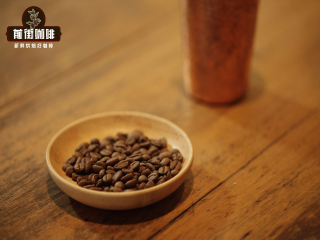
What are the characteristics of Ecuadorian coffee producing areas? is the Ecuadorian coffee variety Arabica?
Professional coffee knowledge exchange more coffee bean information please follow the coffee workshop (Wechat official account cafe_style) front street-Ecuador Coffee introduction Ecuador is one of the few countries in South America that produces both Arabica coffee and robusta coffee. It is located between Colombia and Peru in South America.

Characteristics of Ecuadorian Coffee varieties with large granules introduction to Fine Coffee beans in Manor
The Arabian Coffee Tree was first introduced to Ecuador in 1952 and its coffee is of good quality, especially the coffee harvested in early June. Ecuadorian coffee beans can be divided into two varieties: Galapagos and Gigante, both of which have the characteristics of large granules and heavy weight. Ecuadorian coffee can be divided into first class (No.1) and super excellent (Extra Superior) according to its quality.
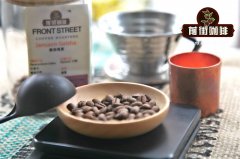
San Juan Coffee Ecuadorian Coffee Features Ecuadorian coffee beans taste
Professional coffee knowledge exchange more coffee bean information please follow the coffee workshop (Wechat official account cafe_style) country: Nicaragua production area: San Juan varieties: Bourbon Certification: F.T Fair Trade Association Certification Product name: Nicaragua Madriz Province San Juan Cocoa River Cooperative Nicaragua Madriz San Juan de Rio Coco Nicaraguan Coffee

Unique flavor of Ecuadorian coffee flavor description of taste varieties and characteristics of boutique coffee
Ecuador is one of the few countries in South America that produces both Arabica coffee and Robbins coffee. However, as the land suitable for Arabica coffee trees is decreasing, the production of Robbins coffee is gradually increasing. The best Arabica coffee comes from the Andes, especially the Chanchagu Valley (ChanchamgoValley), which is divided into two mountains from the south.

Introduction to the origin of boutique coffee beans the characteristics of Ecuadorian coffee Ecuador coffee Ecuador Guado
The Arabian Coffee Tree was first introduced to Ecuador (Ecuador) in 1952 and its coffee is of good quality, especially the coffee harvested in early June. Ecuador's coffee origin: the best Arabica coffee is produced in the Andes, especially in the Chanchagu Valley (ChanchamgoValley). The Andes are divided into two mountains, extending from south to north to central Ecuador. Ecuador
Ecuadorian Coffee characteristics of Ecuadorian Coffee production
For more information on coffee beans, please follow the coffee workshop (official Wechat account cafe_style) Ecuador is located in the northwest corner of South America, facing Colombia to the north and Peru to the south. Ecuador is also known as the Equatorial country because the equatorial zero line crosses the capital Quito. Although Ecuador covers an area of only 284000 square kilometers, it has four distinct natural landscapes: Taiping to the west.

Introduction to the Fine Coffee Bean Manor with the characteristics of Ecuadorian Coffee Variety producing area
Port Guayaquil is the largest seaport in Ecuador. It faces the Pacific Ocean and backs against Mount Santa Ana. The nearby island of Pune serves as a natural barrier to protect the harbour from storms. There is a wharf in the south, which is more than 900 meters long. Ships from different parts of the world flying various flags are moored in the harbor. The port railway leads to the capital Quito, and highways connect Quito with other cities in the country.

Characteristics and taste of Ecuadorian coffee beans? How do I drink Ecuadorian coffee?
Communication of professional baristas Please follow the coffee workshop (Wechat official account cafe_style) to make a good cup of coffee is not a simple water quality: not every bottle of water goes with coffee, it is recommended to use mineral water. Water temperature: high temperature multi-extraction, suitable for shallow baking; low temperature less extraction, suitable for medium and deep baking. Raw bean thickness: choose the right bean grinder to grind the coffee with uniform and correct thickness.

Introduction of fresh and unique Panamanian Cupid Coffee Flavor description
In fact, Ecuador means the Spanish equator. Due to the use of old-fashioned traditional harvesting and handling methods, Ecuadorian coffee is not listed as a boutique coffee, so it is generally rarely seen. Ecuador faces the Pacific Ocean, and near the equator, about 900km west of longitude 90 degrees, there is a Galapagos archipelago (Galapagos Island).

Ecuadorian Coffee producing area introduces Ecuadorian Coffee Flavor
In 1535, Flatoma de Belanga and others of Spain stumbled upon the Galapagos Islands. Thomas was born in 1487 on the Duro River in the province of Soria, Spain. He was the fourth bishop of Panama at that time. He was ordered to go to Peru. When his ship set sail from Panama on February 23, under the impact of a strong current, they were taken to the unknown surface of the ocean.

Ecuadorian coffee beans Santa Cruz Manor Galapagos Islands Santa Cruz Island introduction
The best Ecuadorian coffee is grown on St. Cristobal Island in the Galapagos Islands, which has the unique natural geographical conditions for giving birth to the best quality coffee in the world. A cup of Galapagos coffee, like the beautiful scenery of the Galapagos Islands, is sure to impress you. In the mid-15th century, fishermen fishing in the western Pacific Ocean of South America were in the middle stream.

Introduction to the flavor and taste of Santa Cruz Manor of Ecuadorian Coffee
The coffee beans produced in Ecuador's Galapagos Islands are organic coffee beans, thanks to the unique ecological environment such as volcanic soil and microclimate, coupled with the fact that they do not use any chemical fertilizers or pesticides, they are recognized as natural green boutique coffee. this naturally grown coffee has a mild taste with a hint of flowers and fruit and caramel. It is understood that the Galapagos Islands are far from Eritrea.

Introduction to the regional treatment method for the flavor description of Ecuadorian coffee varieties
The characteristics of Ecuadorian coffee Ecuador is one of the few countries in South America that produce both Arabica coffee and Robbins coffee. However, as the land suitable for Arabica coffee trees is decreasing, the production of Robbins coffee is gradually increasing. The best Arabica coffee is produced in the Andes, especially in the Chanchagu Valley (ChanchamgoValley), the Andes.

Flavor characteristics of Ecuadorian Coffee La Playa Castio Castillo from producing area
Professional coffee knowledge exchange more coffee bean information please follow the coffee workshop (Wechat official account cafe_style) [Paradise 12.21Bake] Ecuadorian coffee La Playa Casteo "2016 Taza Dorada Arabica Competition" 4th (227g original) [Paradise] Ecuador La Playa Castillo Ecuadorian coffee flavor: coffee flowers and Mo
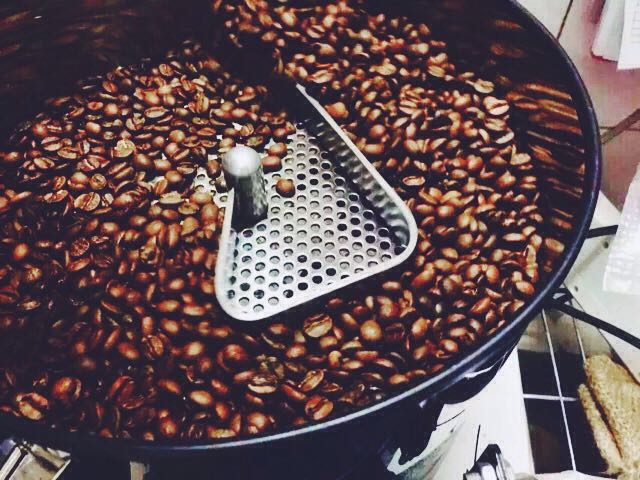
Taste characteristics of large particle Ecuadorian coffee varieties introduction to the flavor of boutique coffee beans in the manor
The Rabe Coffee Tree was first introduced to Ecuador in 1952 and its coffee is of good quality, especially the coffee harvested in early June. Ecuadorian coffee beans can be divided into two varieties: Galapagos and Gigante, both of which have the characteristics of large granules and heavy weight. Ecuadorian coffee can be divided into first class (No.1) and super excellent (Extra Superior) according to quality.

Taste characteristics of large particle Ecuadorian coffee varieties introduction to the flavor of boutique coffee beans in the manor
The Arabica coffee tree was first introduced to Ecuador in 1952 and its coffee is of good quality, especially the coffee harvested in early June. Ecuadorian coffee beans can be divided into two varieties: Galapagos and Gigante, both of which have the characteristics of large granules and heavy weight. Ecuadorian coffee can be divided into first class (No.1) and excellent (Extra Superior) according to its quality.

Taste characteristics of large-grained Ecuadorian coffee varieties introduction to the flavor of fine coffee beans in the manor
The Arabica coffee tree was first introduced to Ecuador in 1952 and its coffee is of good quality, especially the coffee harvested in early June. Ecuadorian coffee beans can be divided into two varieties: Galapagos and Gigante, both of which have the characteristics of large granules and heavy weight. Ecuadorian coffee can be divided into first class (No.1) and excellent (Extra Superior) according to its quality.

Introduction to the flavor of high-quality coffee beans with the characteristics of large-grain Ecuadorian coffee varieties
The Arabica coffee tree was first introduced to Ecuador in 1952 and its coffee is of good quality, especially the coffee harvested in early June. Ecuadorian coffee beans can be divided into two varieties: Galapagos and Gigante, both of which have the characteristics of large granules and heavy weight. Ecuadorian coffee can be divided into first class (No.1) and excellent (Extra Superior) according to its quality.

Introduction to the characteristics of Ecuadorian Coffee Flavor Manor
David Mino, the new champion barista from Ecuador, carefully cooked the original Ecuadorian coffee and led his friends to enjoy a trip to the tip of the Ecuadorian tongue. From the surprisingly soft Galpagos coffee, to the sour and bitter alpine coffee from LOJA, Ecuador, to the softer Ghanaian pugs coffee and mouth.