
"Export"
14341 article(s) found

Introduction to the planting area and Export of Blue Mountain Coffee
By 1981, about 1500 hectares of land in Jamaica had been reclaimed for coffee cultivation, followed by the opening of another 6000 hectares of coffee land. In fact, today's Blue Mountain area is a small area with a planting area of only 6000 hectares, and it is impossible to grow all the coffee marked Blue Mountain there. Another 12000 hectares of land is used to grow the other two types of coffee:

Development History of Blue Mountain Coffee in Jamaica
In 1728, coffee was first introduced into Jamaica. Due to the suitable soil, climate, light and other conditions in Jamaica, the quality of coffee was excellent. Andrews extends to other areas.

Acidity and texture A brief introduction to the characteristics of Coffee Flavor Manor in Xidamo Shaqiso producing area
According to the law, all coffee is sold through an auction held by Addis and DiRedawa. During the coffee harvest, such auctions are even held twice a day. In Ethiopia, the grading and quality control system of coffee is divided into three levels: producer, regional and national. All coffee must be inspected by the local inspection agency before leaving the producing area, and then in Asia.
Chinese coffee machinery enters Africa to grow coffee beans.
Abstract: the development of African coffee market provides a new platform for China's food machinery industry. Pang Lu, Chinese Economic and Commercial Counsellor in the Republic of C ô te d'Ivoire, believes that this is a rare opportunity for China's food machinery export. Among the products called black gold by Africans, in addition to oil, there is also coffee. Coffee is the main cash crop in Angola, the primary export of Burundi and the former one.

The development of coffee in Laos
Coffee in Laos has gone through a lot of development in the past 20 years. The speed of development in the past 20 years is faster than that in the past 80 years.

How many coffee producing areas are there in Kenya? how big is its acreage? what is the export price?
How many coffee producing areas are there in Kenya? what is the export price of its acreage? Kenya's coffee producing areas are mainly concentrated in the mountains of Kenya (Mt. The plateau region represented by Kenya). Tropical climate, acid red volcanic soil provides a natural and suitable growth environment for coffee. Major producing areas such as Nyeri and Ruiru in central China and other coffee production areas

The export of fair trade coffee in our province is off to a good start
Please follow the exchange of professional baristas. The Pu'er Inspection and Quarantine Bureau of the coffee workshop (official Wechat account cafe_style) said that after being tested by the bureau, a batch of Fairtrade coffee with a quantity of 79.2 tons and a value of US $279800 was successfully exported overseas a few days ago, with both volume and value exceeding 300% compared with the same period last year, effectively promoting Yunnan's coffee foreign trade. Fairtrade coffee is straight with a fair price.

Introduction to the characteristics of the flavor description method of Ethiopian Sidamomo Lion King Coffee
Coffee is Ethiopia's most important export cash crop and the main source of Ethiopia's foreign exchange earnings. Ethiopia's coffee exports account for about 3% of the world market, making it the eighth largest coffee exporter in the world. Coffee exports increased steadily from 58000 tons in 1990 to 110000 tons in 1995-96, and remained at this level in the following years.

Ethiopian coffee flavor Ethiopian coffee variety Ethiopian coffee brand
Due to different processing methods, coffee can be divided into washed coffee (Washed coffee) and sun-cured coffee (Sun-dried coffee). Washed coffee accounts for 35% of exports. Good quality washed coffee is processed with freshly picked fully ripe fruit, picked carefully and closely monitored by professionals. The clean coffee beans picked up will be pulped on the day of picking.

The export of coffee from Yunnan earned about 245 million US dollars in the first half of the year.
In the first half of this year, Yunnan exported 59500 tons of coffee, earning about 245 million US dollars in foreign exchange. Compared with the same period in 2015, the batch, weight and foreign exchange earned increased by 43.4%, 65.5% and 92.3% respectively, all reaching record highs. Among them, 4388.3 tons of coffee were exported through the China-Europe train, with a value of US $17.472 million. Yunnan is one of the major coffee producing areas in Asia, accounting for 9% of the country's acreage and output.
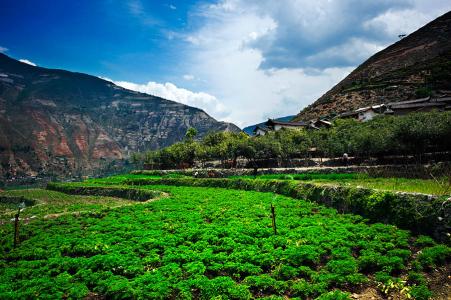
The export of coffee from Yunnan earned about 245 million US dollars in the first half of the year.
In the first half of this year, Yunnan exported 59500 tons of coffee, earning about 245 million US dollars in foreign exchange. Compared with the same period in 2015, the batch, weight and foreign exchange earned increased by 43.4%, 65.5% and 92.3% respectively, all reaching record highs. Among them, 4388.3 tons of coffee were exported through the China-Europe train, with a value of US $17.472 million. Yunnan is one of the major coffee producing areas in Asia, accounting for 9% of the country's acreage and output.

China's first coffee bean inspection and quarantine industry standard issued
A (correspondent Wang Shiwei, Zheng Huifang) on September 2, the General Administration of quality Supervision, Inspection and Quarantine issued the "Inspection and Quarantine procedures for Export small Coffee beans", ending the history that there are no industry standards in the quality inspection of coffee beans in China. The coffee inspection and quarantine standards previously implemented in China have some problems, such as lack of systematicness, lack of pertinence, serious lag and so on, which seriously restrict the inspection and quarantine of coffee.
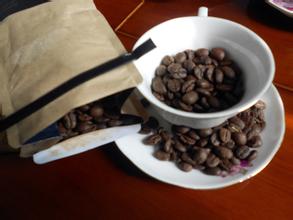
The latest introduction of boutique coffee beans Ethiopian Yejasuefi Coffee
In Ethiopia, the grading and quality control system of coffee is divided into three levels: producer, regional and national. All coffee is inspected by local inspection agencies before leaving the country of origin, and then re-tested at the coffee inspection and grading centers in Addis and Diredawa to determine its quality grade. Coffee is graded before auction and sale, for all involved in production, acquisition,

Acidity and texture of Ethiopian Yega Sheffivoka Coffee Flavor Manor
Due to different processing methods, coffee can be divided into washed coffee (Washed coffee) and sun-cured coffee (Sun-dried coffee). Washed coffee accounts for 35% of exports. Good quality washed coffee is processed with freshly picked fully ripe fruit, picked carefully and closely monitored by professionals. The clean coffee beans picked up will be pulped on the day of picking.
The magic of Lao coffee
Coffee in Laos has gone through a lot of evolution over the past 20 years. The pace of development in the past 20 years has exceeded that of the past 80 years.
Yunnan Manlaojiang Coffee Manor is just to awaken your beauty.
Yunnan Jisi Trading Co., Ltd. was established in April 2006, the company's business scope is: domestic trade, material supply and marketing; import and export of goods and technology; processing of agricultural products; is a comprehensive import and export enterprise mainly engaged in coffee, cassava and other cash crops processing and sales, and obtained the record certificate of export food production enterprises in the State Commodity Import and Export Inspection and Quarantine Bureau. Public

Where to buy raw coffee beans how to import the United States, Britain, America, Brazil coffee beans export development story
Coffee is more than just a stimulant and a concentration aid. Although in a society where we are addicted to work, these factors do help. People stop for a cup of coffee and understand what's going on.

Export Management of Coffee Culture in Colombia
Compared with other producing countries, Colombia is more concerned with developing products and promoting production. It is this, coupled with its superior geographical and climatic conditions, that makes Colombian coffee excellent in quality and delicious and famous all over the world. The status of coffee in Colombia is evident in the following example: all vehicles entering the country must be sprayed and sterilized so as not to inadvertently cause disease and damage coffee trees.

Acidity texture of Ethiopian Yega Sheffivoka Coffee Flavor Flavor Manor Market Development
Coffee is Ethiopia's most important export cash crop and the main source of Ethiopia's foreign exchange earnings. Ethiopia's coffee exports account for about 3% of the world market, making it the eighth largest coffee exporter in the world. Coffee exports increased steadily from 58000 tons in 1990 to 110000 tons in 1995-1996 and remained at this level in the following years. 2001-2002

Introduction to the Export and cultivation of Costa Rican Coffee
Coffee was introduced into Costa Rica from Cuba in 1729. Today, its coffee industry is one of the well-organized industries in the world, with a yield of 1700 kg per hectare. Costa Rica has only 3.5 million people but 400m coffee trees, and coffee exports account for 25 per cent of the country's total exports. The volcanic soil of Costa Rica is very fertile and well drained, especially in the central part.