
"Fairtrade"
414 article(s) found

Boutique Coffee | how Coffee is transferred from Origin to Coffee Shop | Coffee Trade shift
If you have been to any boutique coffee shop recently, you may not only hear about the source of the coffee, the boutique coffee shop is very important, it can let you know the origin of the coffee and trace the origin. Isn't all trade direct? What exactly does indirect trade mean? Direct trade and fair trade as a term and a practice, direct trade coffee

The 16 most interesting facts about coffee is Beethoven an avid coffee lover?
Some people can't start a day without a cup of freshly brewed coffee. They like coffee very much and sometimes they call themselves coffee addicts. We know this very well. However, drinking one or more cups of coffee a day is not necessarily a bad habit. On the contrary, scientists say, it has been proved to be healthy. Drinking coffee every morning gives you more than just an energy boost. It has also been proved

How to make organic coffee the advantages of drinking organic coffee are compared with those of ordinary coffee.
Professional coffee knowledge exchange more coffee bean information please pay attention to coffee workshop (Wechat official account cafe_style) coffee beans-organic coffee is the attitude towards life foodie may not be able to eat the difference between machine vegetables and coffee bean-like vegetables, but there is no lack of experienced coffee fans say they can tell the good taste of organic coffee is different from ordinary coffee; but in most organic foods

The best flavor and taste of coffee beans in Honduras describe the ranking of native coffee beans in Honduras
Like its Central American neighbors, Honduras is a major coffee-growing area. In fact, it may come as a surprise that Honduras has so far produced and exported more coffee than any other Central American country. In 2020, according to the International Coffee Organization, Honduras produced 6100000 bags of 60 kg coffee. This is the same as 3750000 of Guatemalan coffee

What is Fair Trade? Is Starbucks Fair Trade Coffee Good?
Professional coffee knowledge exchange More coffee bean information Please pay attention to coffee workshop (Weixin Official Accounts cafe_style) Today, global trade is growing rapidly and global wealth has reached an unprecedented level. But at the same time, the disparity between the rich and the poor is also rapidly increasing. Eight super-rich people own half of the world's wealth, while the assets owned by the poorer half of the world's population are not rising but falling. global
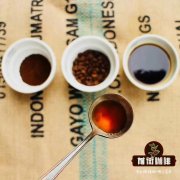
Coffee Storm-will coffee disappear from the world in the future?
Professional coffee knowledge exchange more coffee bean information Please pay attention to the coffee workshop (Wechat official account cafe_style) Climate change has affected the growth of coffee, especially the more sensitive Arabica beans are more sensitive to temperature, the increase in temperature will easily cause insect pests and leaf rust

How about organic coffee powder? how to drink organic coffee? how to drink healthy organic coffee powder? how to cook organic coffee powder?
Professional coffee knowledge exchange more coffee bean information please follow the coffee workshop (Wechat official account cafe_style) this packet of Malongo La Tierra pure Arabica coffee beans is a French Malongo company's excellent flavor beans, it is FR-BIO-01 certified organic coffee powder, and has the French Ministry of Agriculture standard organic agriculture label, but also belongs to
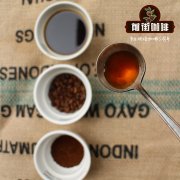
Introduction to the information story of Peruvian coffee producing area, the largest exporter of organic and fair trade coffee in the world.
Professional coffee knowledge exchange more coffee bean information Please pay attention to the coffee workshop (Wechat official account cafe_style) Peruvian coffee 70% of the coffee is produced in the north of the border, mainly Arabica, and most of it is organic coffee; coffee exports account for a high proportion of Peru's agricultural production. The coffee varieties grown in Peru are Bourbon, Typica and Ca.
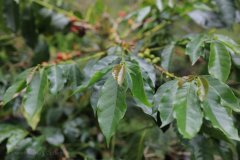
Peruvian coffee producing areas and coffee growing types are all Peruvian coffee organic?
Peru lies in the west of South America. Peru has been producing coffee since the 1700s. Peruvian coffee growers usually have small farms, but these growers have a reputation for producing high-quality shaded Arabica beans. The coffee industry is Peru's main industry, and coffee is the country's largest export. Peru is actually a major producer of organic coffee. Peru is

Coffee Trade: advantages and disadvantages of Fair Trade and Direct Trade
For professional baristas, please follow the coffee workshop (Wechat official account cafe_style) coffee, which is the second largest commodity in the world after oil. Like other agricultural products, the price will follow? The harvest fluctuates. In order to maintain the livelihood of millions of people in the global coffee industry chain, since 1962, exporting and importing countries have participated in and formulated the International Coffee Agreement (International Coffee A).

Honduras coffee producing area estate brand history story introduction Honduras coffee bean flavor taste characteristics
The origin story of Honduran coffee dates back to the late 18th century, when Spanish traders introduced coffee plants to the country. It was not until the early 19th century, when Honduras gained independence from Spain, that the Honduran coffee industry really took off. Even after independence, Honduras's coffee industry remained far behind for several reasons.

Direct trade coffee
What is direct trade coffee? Direct trade coffee is a coffee roaster that buys coffee directly from growers, interweaves traditional middlemen, buyers and sellers, and also organizes the use of a term such as fair trade and bird-friendly control certification. Supporters of direct trade, for example, say their models are the best because they establish mutual benefit with individual producers or cooperatives in coffee-producing countries.
How a cup of coffee drives social change
Every cup of Fairtrade coffee purchased directly supports the lives of poor farmers in developing countries. Coffee is a very lucrative industry in the West because of the instability of the coffee market. Coffee farmers in Africa and other developing countries, where middlemen and traders make large profits from it, are trapped in a cycle of poverty due to low labor. Many children cannot afford to go to school because of this, and they also join the ranks of those who have been killed.

Buying coffee beans can help an animal.
To be fair, paying extra for organic Fairtrade coffee is not a bad thing for customers. It would be even better if we could help some animals in need while drinking coffee. Now a coffee company called Grounds Hounds offers such coffee. Its coffee beans come from Ethiopia, Peru, Colombia, Mexico and Papua New Guinea.

Coffee beans are classified as coffee semi-washed
Coffee was the first product to be labeled Fair Trade, and coffee farmers got a real benefit from it. Chilean FLO compliant producers sold coffee beans last year for $1.26 a pound, compared with 47.35 cents a pound on the New York Futures Market. However, FLO does not pay directly for products, but rather promotes fairness through

Rwanda Coffee Flavor
Malaba Coffee (Rwandan: Ikawa ya Maraba, French: Caf de Maraba) is Fairtrade certified coffee grown in the Malaba area of southern Rwanda. Malaba's coffee crop is a bourbon of the Arabica species and is grown in fertile volcanic soil on high-altitude hills. The fruits of coffee trees are mainly picked manually during the rainy season from March to May.
Rwanda Coffee Flavor
Malaba Coffee (Rwandan: Ikawa ya Maraba, French: Caf de Maraba) is Fairtrade certified coffee grown in the Malaba area of southern Rwanda. Malaba's coffee crop is a bourbon of the Arabica species and is grown in fertile volcanic soil on high-altitude hills. The fruits of coffee trees are mainly picked manually during the rainy season from March to May.

How to drink the information about the historical production area of Colombian traditional washing coffee beans
For the exchange of professional baristas, please follow the coffee workshop (Wechat official account cafe_style). This is Asemprogrope's Excelso EP grade fair trade and organic certified coffee in Planadas, Tolima, Colombia. ASEMPROGROPE is a small producers association that began in 2004 and currently includes 23 male and 9 female members. Harvested variety package

Minority coffee producing countries in Africa introduce good coffee brands recommend how to drink Rwandan coffee.
Professional coffee knowledge exchange more coffee bean information please follow Coffee Workshop (Wechat official account cafe_style) Rwanda Gasonga is a bourbon from the Canadian Women's Cooperative. Since its establishment in 2009, coop has been Fairtrade certified and won seventh place in the Rwanda Excellence Award in 2015. The Gashonga laundry station is located in Luxi, western Rwanda.

Rwanda Coffee Flavor Rwanda Coffee producing area
Malaba Coffee (Rwandan: Ikawa ya Maraba, French: Caf de Maraba) is Fairtrade certified coffee grown in the Malaba area of southern Rwanda. Malaba's coffee crop is a bourbon of the Arabica species and is grown in fertile volcanic soil on high-altitude hills. The fruits of coffee trees are mainly picked manually during the rainy season from March to May.