
"G5/G4"
70 article(s) found

Introduction to the grinding treatment method for the flavor and taste characteristics of coffee brands in Ethiopia
Ethiopian Coffee Flavor treatment Variety characteristics growing in Western Ethiopia 4900-5900 feet (Wollega province) plateau, north of Jima, mostly wild, annual output is about 500000bags/60kg, export to G5/G4, bean body is larger and longer than Longberry, a little brown in green, taste similar to less jasmine tea, more bitter, lack of rising Hara, slightly sour

Sidamo Coffee Flavor taste the characteristics of the manor producing area Sidamo Shakiso coffee boutique coffee beans
Growing in western Ethiopia, 4900-5900 feet (Wollega province) plateau, north of Jima, mostly wild, annual output is about 500000bags/60kg, export is mostly G5/G4, bean body is larger and longer than Longberry, a little brown in green, taste similar to less jasmine tea, more bitter, lack of rising Hara, slightly sour, slightly fruity and wine aroma, but slightly inferior to Hara.

Introduction to the long flavor description of Ethiopian coffee in Huigan, the taste characteristics of grinding degree and the variety production area.
However, in recent years, about 10% or 20% of Gima has been used to make up for the lack of taste of coffee, but its quality has gradually declined to its own level, but there are bipolar comments on coffee buyers (my friend only uses Gima as the base of espresso in his store, and its strong flavor surprises me).

Sidamo Coffee Bean Introduction, Sidamo Coffee Growing Flavor
Pay attention to the coffee comment (Weixin Official Accounts vdailycom ) and discover a beautiful cafe to open its own shop Name: Ethiopia Democratic Federal Republic (Ethiopia) Location: Located in the plateau of northeastern Africa. Neighboring countries: North Eritrea, South Kenya, East Somalia Djibouti, West Sudan Land area

Introduction to the production areas of varieties and grades of Russian Giema Coffee beans exposed to the sun
Growing in the southern western highlands of Ethiopia (border between Shewa and Sidmo provinces), east of Gima and north of Sidamo, it is preferred by most Europeans and Americans at an altitude of 3600-6200 feet. Its annual output is about 110000bags/60kg, and most of the beans are round (15/16scr). The color is green with blue in color.

Introduction to the characteristic varieties of Ethiopia's Xida Motede Manor with unique flavor
The unique fragrance of Yirgacheffe comes from Yirga, a small town in the northwest of Sidamo province. Yirgacheffe coffee raw bean is one of the most distinctive coffee in the world. It is rare and expensive. It is produced in the plateau of Ethiopia's Sidamo province, which is 2000 meters above sea level. It is an outstanding washed coffee in Africa.
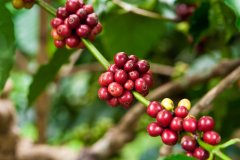
Gima Coffee Farm famous Coffee Farm
Boutique coffee has a rich and beautiful taste. Even if the coffee made of boutique coffee beans is not all fine coffee, it depends on whether it gives full play to the characteristics of coffee beans, whether it has a good taste, if not, it can not be called boutique coffee. Djimmah accounts for about 50% of Ethiopia's annual output (1000000bags/60kg).

Gima Coffee Estate grows coffee beans
Fine coffee is good coffee and harmless to health. Unlike coffee made with inferior coffee beans, fine coffee uses high-quality coffee beans. Freshly made coffee is harmless to health and beneficial to the body and mind when consumed in moderation. Fine coffee has a rich and wonderful taste. Even if the coffee made with fine coffee beans is not all fine coffee, it depends on whether it is fully exerted.

Coffee Flavor Description Grind Taste Characteristics Variety
It grows in the southern Ethiopian plateau at an altitude of 5,700 - 7,800 feet, located in the northwest of Sidamo Province, near Abaya Lake. It is usually sweeter and more popular than most people. It produces about 225000bags/60kg per year. The beans are smaller than Longberry, greenish and grayish in color. Most of them are washed. In the washing plant, the coffee fruits are fermented in storage tanks filled with water after harvest. Workers

Jinbi Coffee Manor boutique Coffee
Boutique coffee is good coffee and is harmless to health. Different from coffee made with low-quality coffee beans, high-quality coffee uses high-quality coffee beans and freshly made coffee, which is harmless to health, and drinking in moderation is beneficial to the body and mind. Boutique coffee has a rich and beautiful taste. Even if the coffee made from fine coffee beans is not all fine coffee, it depends on whether it is brought into full play.

Djimmah is medium in texture and rugged with earthy coffee flavor.
Boutique coffee (specialty coffee) is also called specialty coffee selection coffee. It refers to coffee made from a small number of raw beans with excellent taste grown in an ideal geographical environment. Depending on the special soil and climatic conditions in which they grow, they have outstanding flavor. After strict selection and classification, this kind of coffee is hard in texture, rich in taste and stylish.

Ethiopia Coffee bulk Commercial Bean producing area: Jinbi / Lekemp 05
Altitude: 1500-2100 m forest / semi-forest coffee system harvest time: February-April around the two cities of Ghimbi and Lekempti producing area names often appear jointly. Coffee roasters can use either or both. Lekempti is the capital of the region, but coffee beans with that name may come from the city of Ghimb, 100km away. Grew up in Siegopi.

Ghimbi West Ethiopian Coffee grows Commercial Coffee beans and Comprehensive mixed Coffee beans
Boutique coffee (specialty coffee) is also called specialty coffee selection coffee. It refers to coffee made from a small number of raw beans with excellent taste grown in an ideal geographical environment. Depending on the special soil and climatic conditions in which they grow, they have outstanding flavor. After strict selection and classification, this kind of coffee is hard in texture, rich in taste and stylish.
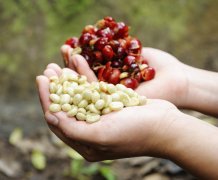
Where is the best coffee in the world?
Fine coffee beans are refined by water treatment. Washing refining method can get coffee beans with less impurities, but if the water quality and time of washing beans are not properly controlled during fermentation, it will easily cause coffee beans to be infected with excessive fermentation sour, and dry processing beans also need to pay attention to timely inspection and prevent coffee beans from being contaminated by wet ground and impurities. the processed
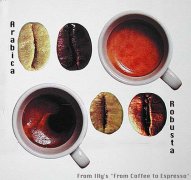
Jima Coffee Manor Coffee characteristics Coffee Tree Coffee Learning
The term "fine coffee" was first put forward by Ms. Knudsen of the United States in Coffee and Tea magazine. At that time, Ms. Knudsen, as a coffee buyer at B.C. Ireland in San Francisco, was very dissatisfied with the neglect of the quality of raw coffee in the industry, and even some big roasters mixed a large amount of Robesda beans in the comprehensive beans, so she put forward the concept of boutique coffee.
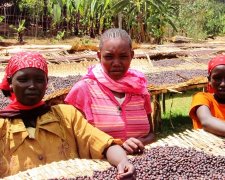
Fine coffee made from coffee beans at a high altitude in Western Ethiopia.
The term "fine coffee" was first put forward by Ms. Knudsen of the United States in Coffee and Tea magazine. At that time, Ms. Knudsen, as a coffee buyer at B.C. Ireland in San Francisco, was very dissatisfied with the neglect of the quality of raw coffee in the industry, and even some big roasters mixed a large amount of Robesda beans in the comprehensive beans, so she put forward the concept of boutique coffee.

Djimmah is medium in texture and rugged with earthy Ethiopian boutique coffee beans.
The coffee-producing region of Ethiopia is divided into east and west parts by the East African Rift Valley, with lakes, volcanoes, lowlands, plateaus and woodlands interlaced, each evolving. Ethiopia has the most diverse coffee ecosystem in the world (forest coffee, semi-forest coffee, pastoral coffee and plantation coffee), which also preserves its rich Arabica genes. The eastern half is mostly plateaus, coffee beans.
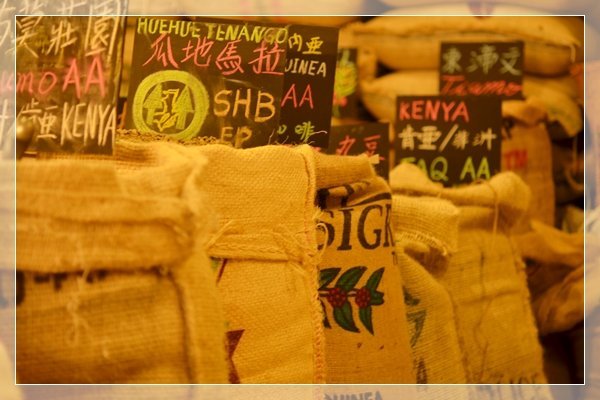
Ethiopia-Ghimbi, Sidamo, Harar and Yegashefi
Ethiopia's coffee-producing areas are divided into east and west parts by the Great Rift Valley. Lakes, volcanoes, lowlands, plateaus and woodlands alternate and evolve independently. Ethiopia has the most diverse coffee ecosystem in the world (forest coffee, semi-forest coffee, pastoral coffee and plantation coffee), which also allows it to preserve its rich Arabica genes. The eastern half is mostly plateau, coffee beans
Djimmah producing area Ethiopian boutique coffee beans African flavor coffee
Yega Chefe and Sidamo, which are famous for their bright sour taste, are famous for their charming and mixed fragrance, while the western half of the forest is covered with a large area of primeval forest, mostly in the process of complete natural evolution, creating a more complex variety of coffee. The coffee varieties in the Kafa forest in the southwest are extremely resistant to disease. Due to natural evolution and less manual screening, its overall flavor is slightly lower than that of the eastern half of the wall. The coffee producing areas of Ethiopia are
Jasmine tea, which is preferred by Ghimbi growers as a composite bean material, is fragrant and bitter
Ethiopia's coffee-producing areas are divided into east and west parts by the Great Rift Valley. Lakes, volcanoes, lowlands, plateaus and woodlands alternate and evolve independently. Ethiopia has the most diverse coffee ecosystem in the world (forest coffee, semi-forest coffee, pastoral coffee and plantation coffee), which also allows it to preserve its rich Arabica genes. The eastern half is mostly plateau, coffee beans