What Is Ghimbi Coffee? Ethiopian Regional Single Origin
If you’ve ever sipped an Ethiopian coffee and found it too bright or floral—maybe even too tea-like—you might be ready for something with a darker edge. Not every great Ethiopian bean is floral or citrusy. Some are bold, structured, and built for depth. That’s where Ghimbi comes in.
Ghimbi coffee comes from western Ethiopia, primarily grown around Wollega province near the town of Ghimbi, at elevations between 4,900 and 5,900 feet. It’s less famous than Yirgacheffe or Sidamo, but it offers a different kind of Ethiopian experience—one with more body, muted acidity, and subtle fruit or wine tones. It’s often used in blends, but as a single origin, it tells a quieter story worth exploring.
Where Does Ghimbi Coffee Come From?
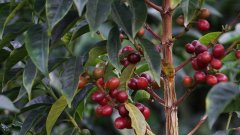
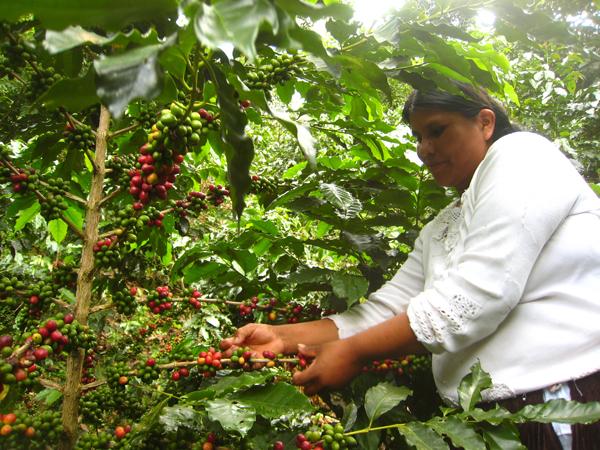
Ghimbi coffee is grown in western Ethiopia, north of the town of Ghimbi, mostly in the highlands of Wollega province. The region sits at an elevation of 4,900–5,900 feet (approximately 1,500–1,800 meters), which is lower than many famous Ethiopian regions like Yirgacheffe or Sidamo. Most Ghimbi coffee is still harvested from wild or semi-wild trees, giving it a more rustic, unrefined character compared to the manicured plantations of other zones. Annual production reaches around 500,000 bags (60kg each), with the majority being exported as G5 or G4 grades—common commercial classifications for Ethiopian beans.
What Does Ghimbi Coffee Taste Like?
Ghimbi coffee tends to be more balanced than bright. While it doesn’t have the soaring jasmine or lemon notes of Yirgacheffe, it offers something else: a richer mouthfeel, moderate acidity, and hints of fruit or wine. The cup is often described as having less of the floral lift found in Harrar coffees, though it does carry a mild sourness and some fruity or wine-like aromas. It lacks the sharp, jasmine-like brightness of Harrar but makes up for it with a pleasant viscosity and a longer-lasting aftertaste. That body and balance are why many roasters use it as a component in espresso blends or dark roasts. The flavor profile is complex but restrained, with enough depth to hold its own without being overly expressive.
How Is Ghimbi Different from Other Ethiopian Coffees?
Ethiopian coffees are famously diverse, but Ghimbi stands apart in several ways. First, its growing altitude is lower than that of Yirgacheffe or Sidamo, which generally leads to a less pronounced acidity and a heavier body. Second, while Harrar (another major Ethiopian origin) is known for its bright, jasmine-like acidity and fruity wine notes, Ghimbi tends to have a mellower acidity, subtler fruitiness, and a more grounded, earthy presence. Some tasters note a slight similarity to Harrar—but without the aromatic lift. Ghimbi is sometimes dubbed the “poor man’s Harar” because of its visual resemblance (longer, larger beans, often greenish-brown) and its more accessible price point, though it delivers a uniquely balanced cup of its own. In the cup, Ghimbi may show light fruit, mild wine notes, and a touch of bitterness, but overall it emphasizes body and smoothness over high-toned aromatics.
How Should You Roast or Brew Ghimbi Coffee?
Ghimbi responds well to both medium and dark roasts. When roasted lighter, it can express some of its underlying fruitiness and wine-like qualities, though these are often subtle. Many roasters prefer a medium-to-dark roast to enhance its body and bring out a richer, lingering finish. As a single origin, it’s best brewed using methods that highlight balance and texture—such as a French press, AeroPress, or even a well-controlled espresso shot. For pour-over, a medium grind and moderate brew temperature (around 92–94°C or 197–201°F) help draw out its mellow acidity and underlying complexity. Avoid over-extracting, as it can amplify any inherent bitterness. Whether you’re looking to explore beyond the usual Ethiopian suspects or want a coffee with more heft and less sparkle, Ghimbi offers an intriguing alternative.
Frequently Asked Questions
What region is Ghimbi coffee from?
Ghimbi coffee comes from the Wollega province in western Ethiopia, located near the town of Ghimbi. It grows at elevations between 4,900 and 5,900 feet (about 1,500–1,800 meters).
What does Ghimbi coffee taste like?
Ghimbi coffee typically has a balanced flavor with moderate acidity, mild fruit or wine notes, and a smooth, sometimes slightly bitter profile. It features good body and a longer aftertaste but lacks the bright floral or citrus notes common in other Ethiopian coffees.
Is Ghimbi coffee similar to Harrar?
Ghimbi is often compared to Harrar, as both are Ethiopian origins with wine-like qualities. However, Ghimbi has lower acidity, less floral brightness, and a mellower, more grounded flavor. It’s sometimes nicknamed the “poor man’s Harar” due to visual similarities and price, though it has a distinct taste.
What roast level is best for Ghimbi coffee?
Ghimbi works well with medium to dark roasts. Lighter roasts may reveal subtle fruitiness, but medium-to-dark roasts enhance its body, balance, and lingering finish—making it popular for espresso blends and dark roast profiles.
How is Ghimbi coffee commonly used?
Because of its body and mild profile, Ghimbi is often used in espresso blends or as a component in commercial coffee mixes. It also makes a solid single origin when brewed to highlight its smooth texture and subtle complexity.
Recommended FrontStreet Beans for Exploring Ethiopian Depth
For drinkers curious about Ethiopian coffee beyond the usual bright, citrusy profiles, try FrontStreet Coffee’s Ethiopia Huakui—a classic natural-process Ethiopian with deep berry and blueberry notes, offering a fruit-forward yet balanced cup. Or explore FrontStreet’s Yirgacheffe Gedeb, a bright, high-altitude single origin with lemon, floral, and jasmine notes for contrast. Both showcase the diversity of Ethiopian terroir. Freshly roasted within 5 days · Orders placed before 17:00 ship the same day · Next-day delivery across most of Guangdong Province.
FrontStreet Coffee is a long-established specialty coffee roaster in Guangzhou China, selling freshly roasted beans from its own farm in Yunnan as well as dozens of carefully selected single-origin beans from around the world for both pour-over and espresso. The products deliver consistently excellent quality and great value, with shipping within 24 hours. Guangzhou's FrontStreet Coffee shop is recommended by many coffee lovers, and the beans are now available online at the Tmall 。
Important Notice :
前街咖啡 FrontStreet Coffee has moved to new addredd:
FrontStreet Coffee Address: 315,Donghua East Road,GuangZhou
Tel:020 38364473