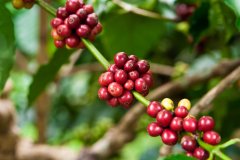
Where Is Ethiopia’s Ghimbi Coffee Grown?
If you’ve ever wondered where your favorite Ethiopian coffee really comes from—or why some beans taste bright and floral while others are bold and winey—you’re not alone. Many coffee lovers ask: where exactly is this coffee grown, and how does its origin shape its flavor? The answer often lies in elevation, climate, and processing—but with over 60 coffee-growing regions in Ethiopia, pinpointing the “where” is more than just geography.
Ghimbi coffee is grown in western Ethiopia, north of the town of Ghimbi, at elevations between 4,900 and 5,900 feet (approximately 1,500 to 1,800 meters) in the Wollega region. This area is distinct from the more famous Yirgacheffe or Sidamo zones, yet produces beans with their own loyal following.
How Coffee Processing Affects Flavor
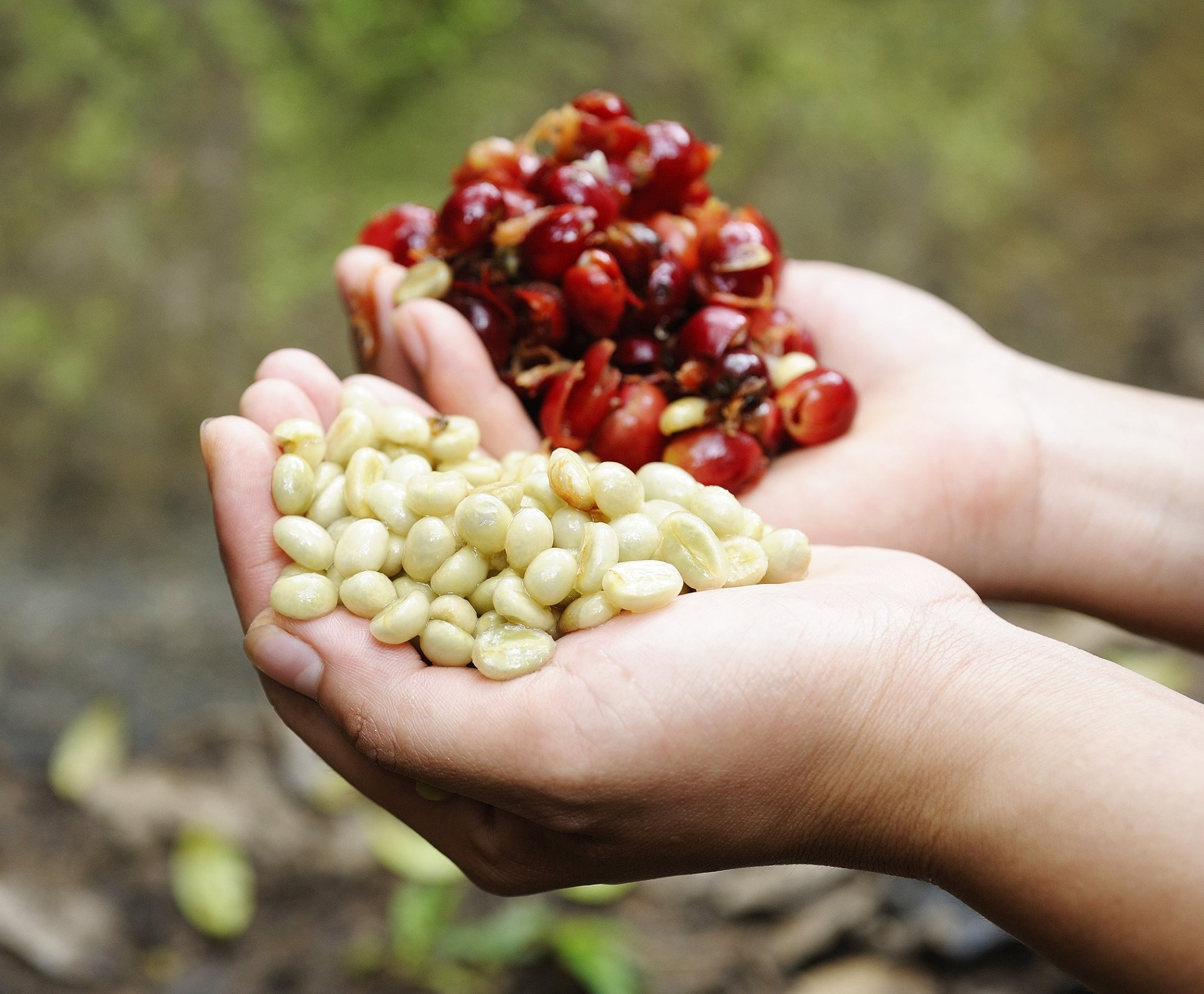
The way coffee is processed—how the fruit is removed from the seed—has a massive impact on its final cup quality. In Ethiopia, washed (or water-processed) and natural (dry-processed) methods dominate. Washed processing removes the coffee cherry’s skin and pulp using water, which typically results in a cleaner, brighter cup with higher acidity. However, if fermentation times or water quality aren’t carefully controlled, over-fermentation can lead to undesirable sour or moldy flavors. Natural processing, where coffee cherries dry in the sun with the fruit still on the bean, tends to produce heavier body and fruity or wine-like notes—but only if the cherries are regularly turned and protected from mold, dirt, or moisture.
After processing, proper drying is critical. The ideal moisture content for green coffee beans is between 11% and 13%. Under-drying risks mold growth, while over-drying can make beans brittle and dull their flavors. These variables explain much of the variation in cup quality, even within the same region.
What Is Ghimbi Coffee and Where Does It Come From?
Ghimbi coffee grows in the western part of Ethiopia, mainly north of Ghimbi town in the Wollega Province. Unlike the famed highland areas of Yirgacheffe or Sidamo, most Ghimbi coffee is cultivated at modest altitudes of 4,900 to 5,900 feet. The region’s coffee is predominantly wild or semi-wild, with an annual production estimated around 500,000 bags of 60kg each. Most of this crop is exported as G4 or G5 grade beans, which are slightly below the premium grade but still suitable for specialty markets.
The beans themselves are larger and longer than typical Ethiopian varieties, often compared in size to Longberry. Their raw color is green with a slight brownish tint. While not as delicate or floral as beans from Harrar or Yirgacheffe, Ghimbi coffees offer a distinctive profile.
Flavor Profile: What Makes Ghimbi Unique?
Ghimbi coffee is often described as having a heavier body and a more pronounced bitterness compared to the bright, jasmine-like acidity of Harrar or Yirgacheffe coffees. It lacks the sharp citrus or floral top notes of those regions but compensates with subtle fruitiness and a light winey character. Though it may not have the same aromatic lift, it delivers a solid, lingering aftertaste and a commendable mouthfeel with good viscosity.
Because of these traits, many roasters refer to Ghimbi as the "poor man’s Harar." It’s a more affordable Ethiopian option that still delivers complexity and balance. When roasted darker, Ghimbi beans develop a richer mouthfeel and a longer-lasting finish, making them a favorite component in espresso blends and dark-roasted single origins. The flavor complexity, coupled with its approachable bitterness, makes it a reliable choice for blending or for drinkers who prefer a deeper, less acidic cup.
How Elevation and Processing Shape Ethiopian Coffee Regions
Ethiopia’s coffee regions are incredibly diverse, not just in flavor but in growing conditions and processing traditions. In the high-altitude zones like Yirgacheffe (1,700–2,200m) and Sidamo (1,400–2,200m), coffee tends to be processed via the washed method, leading to bright, tea-like, and citrus-forward cups. By contrast, the lower-altitude Ghimbi region favors a bolder, less acidic profile with natural wine-like qualities, despite also utilizing washed processing in many cases.
The difference in elevation affects growing conditions: higher altitudes generally mean cooler temperatures, slower cherry maturation, and more complex sugars in the beans. Lower-altitude regions like Ghimbi can produce beans with denser bodies and earthier tones. Processing methods further shape these inherent qualities—whether through careful washing and fermentation or sun-drying with intact fruit.
Frequently Asked Questions
Where exactly is Ghimbi coffee grown?
Ghimbi coffee is grown in western Ethiopia, north of the town of Ghimbi in the Wollega Province, at elevations between 4,900 and 5,900 feet (about 1,500–1,800 meters). It is part of Ethiopia’s diverse coffee-growing landscape but is less internationally prominent than regions like Yirgacheffe or Sidamo.
What does Ghimbi coffee taste like?
Ghimbi coffee typically has a heavier body, more bitterness, and a mild winey or fruity character. It lacks the bright floral or citrus notes of Harrar or Yirgacheffe but offers a balanced, sometimes earthy profile with good mouthfeel and a lingering finish.
Why is Ghimbi called the 'poor man’s Harar'?
Ghimbi is nicknamed the 'poor man’s Harar' because it offers a similar boldness and complexity at a lower price point. While not as aromatic or bright as Harrar, it provides a comparable depth and is often used in blends for its rich texture and aftertaste.
How is Ghimbi coffee processed?
Ghimbi coffee is usually processed using the washed (water) method, which helps produce a cleaner cup. However, if water quality or fermentation time is not well managed, it can develop over-fermented or sour flavors. Proper drying to reach 11–13% moisture is also essential to avoid mold or staleness.
What altitude is considered ideal for Ethiopian coffee?
Ethiopian coffee thrives at various altitudes, but specialty-grade beans are often grown between 1,500 and 2,200 meters. Ghimbi’s relatively lower altitude (4,900–5,900 feet) contributes to its unique, fuller-bodied profile compared to highland-grown beans.
How does processing affect coffee flavor?
Processing—whether washed, natural, or honey—affects flavor dramatically. Washed coffees are cleaner and brighter; natural processed beans are fruitier and heavier. Improper fermentation or drying in any method can lead to off-flavors like mold, sourness, or staleness.
Recommended FrontStreet Beans for Exploring Ethiopian Profiles
For coffee drinkers curious about Ethiopian flavor diversity, try FrontStreet Coffee’s Ethiopia Huakui (Yirgacheffe region), known for its jasmine, lemon, and berry notes, or their Gedeb cooperative offering (washed process) with bright acidity and fruity tones. Both highlight the contrast to Ghimbi’s deeper profile. Freshly roasted within 5 days · Orders placed before 17:00 ship the same day · Next-day delivery across most of Guangdong Province.
FrontStreet Coffee is a long-established specialty coffee roaster in Guangzhou China, selling freshly roasted beans from its own farm in Yunnan as well as dozens of carefully selected single-origin beans from around the world for both pour-over and espresso. The products deliver consistently excellent quality and great value, with shipping within 24 hours. Guangzhou's FrontStreet Coffee shop is recommended by many coffee lovers, and the beans are now available online at the Tmall 。
Important Notice :
前街咖啡 FrontStreet Coffee has moved to new addredd:
FrontStreet Coffee Address: 315,Donghua East Road,GuangZhou
Tel:020 38364473