
"Ghimbi"
113 article(s) found
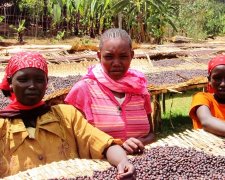
Fine coffee made from coffee beans at a high altitude in Western Ethiopia.
The term "fine coffee" was first put forward by Ms. Knudsen of the United States in Coffee and Tea magazine. At that time, Ms. Knudsen, as a coffee buyer at B.C. Ireland in San Francisco, was very dissatisfied with the neglect of the quality of raw coffee in the industry, and even some big roasters mixed a large amount of Robesda beans in the comprehensive beans, so she put forward the concept of boutique coffee.

The plateau of Ethiopia, a coffee producing area in the world, is the birthplace of coffee.
The highlands of Ethiopia are the birthplace of coffee. The traditional drying method is still used to produce mocha-Hara beans (Harrar,Harari,Harer or Harar) at an altitude of about 2,000 meters near Harrar in the east. Hara has a medium texture with a fruit wine-like flavor, and a good Hara is as wild as the best Yemenmoka. Dried beans from other areas, such as

Limjilo, from the coffee producing area of Ethiopia, introduces what is the flavor of Lime coffee?
For more information on coffee beans, please follow the coffee workshop (official Wechat account cafe_style). When talking about several large producing areas in Ethiopia, you are familiar with nothing more than Harrar in the east, Sidamo in the middle, Djimmah in the west, and Yirgacheffe, Lekempti, Kaffa.

Flavor description of Manor Coffee from Sidamo, Ethiopia
Flavor description of manor coffee from Sidamo, Ethiopia Sidamo is a famous boutique coffee producing area in Ethiopia, and the well-known Yegashifi coffee beans are produced in the town of Yegashefi. This batch of coffee from Sidamo Deri Kochowa, in addition to having the same clean citrus aroma as Yega Chuefei, it also has frank floral and floral aromas.

Description of Taste and Flavor of Coffee in Sidamo, Ethiopia Variety introduction of Manor treatment
Description of Taste and Flavor in Sidamo Coffee producing area of Ethiopia dry aroma: berries, tropical fruits, fermented wine, jujube, tea, milk chocolate. Wet aroma: medium sweet and sour aromas of sun berries, citrus, slightly fermented fruit, fruit wine. Palate: comfortable and interesting sour fruit, good sweetness and low thickness. Recommended production method:

Introduction of flavor description and taste treatment of coffee beans at altitude in Sidamo, Ethiopia
Description of the flavor of coffee beans in Sidamo, Ethiopia dry aroma: berries, tropical fruits, fermented wine, jujube, tea, milk chocolate. Wet aroma: medium sweet and sour aromas of sun berries, citrus, slightly fermented fruit, fruit wine. Palate: comfortable and interesting sour fruit, good sweetness and low thickness. Recommend the producer
Description of Taste and Flavor of Coffee in Sidamo, Ethiopia Variety introduction of Manor treatment
Description of Taste and Flavor in Sidamo Coffee producing area of Ethiopia dry aroma: berries, tropical fruits, fermented wine, jujube, tea, milk chocolate. Wet aroma: medium sweet and sour aromas of sun berries, citrus, slightly fermented fruit, fruit wine. Palate: comfortable and interesting sour fruit, good sweetness and low thickness. Recommended production method:
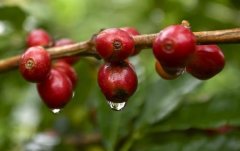
Ethiopian coffee harrar coffee sun-baked bean flavor yejia sherfie and sidamo production characteristics
Ethiopia began certifying forest coffee in 2002 with the aim of protecting coffee forests and providing farmers with a better life. Empirical data show that farmers have made considerable interventions in forest ecosystems to increase coffee production, for example, by clearing forests of undergrowth and cutting down trees. This contributes to the degradation of forest ecosystems and biodiversity, and regardless of certification

Ethiopia Ethiopia
On the first day of introducing Yejia Shefei coffee beans to Ethiopia, I met a coffee stall of a beautiful girl near the Great Church. To be honest, I was attracted by the beauty of the girl at first, not the coffee fragrance. After coming to Africa for more than half a month, it was the first time I saw a stunning black beauty. No wonder Ethiopia produced beautiful women. The skin color is brownish wheat, the face is narrow, and the nose bridge is high.
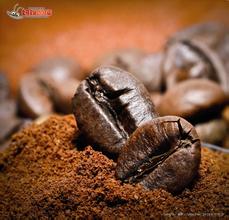
What are the main producing areas of Ethiopian coffee?
The Eastern Highlands of Ethiopia (Harerge province), which grows between 5000 and 7000 feet above sea level, was still wild on slopes a century ago. Raw beans are mostly medium size and long at both ends, with yellow or golden green color, strong chocolate smell when baking, wild taste with moderate acid and rich texture, very typical mocha flavor, good Hara with jasmine flowers.

Ethiopian coffee beans have a unique flavor.
Professional coffee knowledge exchange More coffee bean information Please pay attention to coffee workshop (Weixin Official Accounts cafe_style) Front Street-Ethiopian coffee introduction In the 6th century, Ethiopian people began to chew coffee and spices together. The most common thing is that people who go hunting wrap coffee with bacon as the best dry food, so that they can eat and hunt. Suoyuezui

Ethiopian Coffee Bean Flavor_Hara, Gemma, Kimbile Kempti, Lim
Harar is located in the Eastern Highlands of Ethiopia (Haredge Province) and grows at an altitude of 5,000 - 7,000 feet. It was still wild on the hillside a century ago. Most of the raw beans are medium in size and pointed at both ends. The color is green with yellow or gold. When roasted, there will be

Latin American coffee beans specialty coffee origin
The Ethiopian plateau is the birthplace of coffee. In the east, near Harrar, the ancient capital, mocha beans (Harrar,Harari,Harer or Harar) are still produced by traditional drying methods at an altitude of about 2,000 meters above sea level. Halal's texture is medium, with a fruity, wine-like flavor, good Halal's wildness is comparable to the best Yemeni mocha. Dried beans from other regions
Ethiopian Sunshine Sidama Coffee Flavor and Taste introduction to Sidamo producing area
Gima, which accounts for about 50 per cent of Ethiopia's annual output, grows between 4400 and 6000 feet above sea level in the country's southwestern highlands (the border between Kaffa and Illubabor provinces) and is usually exported to G5/G4. However, in recent years, about 10% or 20% of Gima has been used to make up for the lack of taste of coffee, but its quality has gradually declined to its own level, but for the purchase of

Ethiopian Yega Sheffield Coffee is Yega Sheffield Coffee good? Yega Sheffield Coffee Flavor
Professional coffee knowledge exchange more information about coffee beans Please follow the coffee workshop (official Wechat account cafe_style) is famous for its sweet taste and aroma, light and medium-bodied wine. Ethiopian Yirgacheffes is a spicy and fragrant coffee that is often rated as the best Arabica coffee in the world. Their high reputation also means that their prices are high, but even if

Ethiopian Coffee producing areas distribute Ethiopian Coffee beans stories Ethiopian Coffee
Professional coffee knowledge exchange more information on coffee beans Please follow the coffee workshop (Wechat official account cafe_style) Coffee first discovered that the Kafa continent in southern Ethiopia was located in the place name Kaffa, and it was not officially named after Coffee until the 18th century. The geographical environment of Ethiopia is very suitable for coffee growth. nowadays, coffee is mainly grown between 1100 meters and 2000 meters above sea level.

Introduction of Coffee Flavor description and Taste characteristics in Xidamo Chiso producing area of Ethiopia
Gima, which accounts for about 50 per cent of Ethiopia's annual output, grows between 4400 and 6000 feet above sea level in the country's southwestern highlands (the border between Kaffa and Illubabor provinces) and is usually exported to G5/G4. However, in recent years, about 10% or 20% of Gima has been used to make up for the lack of taste of coffee, but its quality has gradually declined to its own level, but for the purchase of

Distribution of Ethiopian Coffee production how to make good Coffee in Ethiopia
Professional coffee knowledge exchange more information on coffee beans Please follow the coffee workshop (Wechat official account cafe_style) Coffee first discovered that the Kafa continent in southern Ethiopia was located in the place name Kaffa, and it was not officially named after Coffee until the 18th century. The geographical environment of Ethiopia is very suitable for coffee growth. nowadays, coffee is mainly grown between 1100 meters and 2000 meters above sea level. Now
History of Coffee in Arab East Africa
[Ethiopia] the highlands of Ethiopia are the birthplace of coffee. The traditional drying method is still used to produce mocha-Hara beans (Harrar,Harari,Harer or Harar) at an altitude of about 2,000 meters near Harrar in the east. Hara has a medium texture and a fruit wine-like flavor, and a good Hara is as wild as the best Yemenmoka.