
"Ghimbi"
113 article(s) found

Introduction of Ghimbi in Kinbi producing area of Ethiopia | what are the characteristics of Jinbi coffee?
Ethiopian Ghimbi coffee is a wet-processed (washed) coffee variety grown in western Ethiopia. It is reported that Kim coffee is thicker than Ethiopian Hara coffee. Gibby is famous for its complex flavor and rich, sharp acidity. Altitude: 1500-2100m harvest time: February-April varieties: original varieties flavor: bright citric acid, complex and abundant

Ghimbi West Ethiopian Coffee grows Commercial Coffee beans and Comprehensive mixed Coffee beans
Boutique coffee (specialty coffee) is also called specialty coffee selection coffee. It refers to coffee made from a small number of raw beans with excellent taste grown in an ideal geographical environment. Depending on the special soil and climatic conditions in which they grow, they have outstanding flavor. After strict selection and classification, this kind of coffee is hard in texture, rich in taste and stylish.
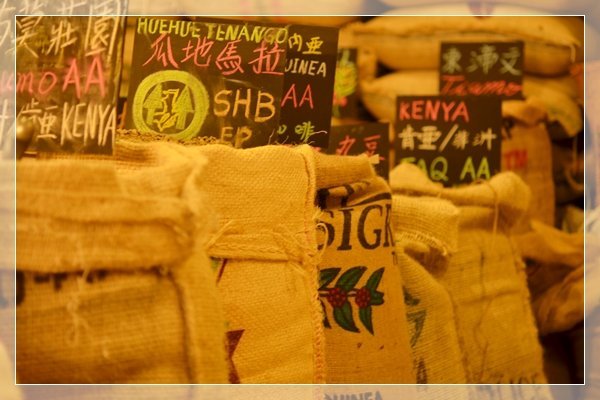
Ethiopia-Ghimbi, Sidamo, Harar and Yegashefi
Ethiopia's coffee-producing areas are divided into east and west parts by the Great Rift Valley. Lakes, volcanoes, lowlands, plateaus and woodlands alternate and evolve independently. Ethiopia has the most diverse coffee ecosystem in the world (forest coffee, semi-forest coffee, pastoral coffee and plantation coffee), which also allows it to preserve its rich Arabica genes. The eastern half is mostly plateau, coffee beans

Jasmine tea, which is preferred by Ghimbi growers as a composite bean material, is fragrant and bitter
Ethiopia's coffee-producing areas are divided into east and west parts by the Great Rift Valley. Lakes, volcanoes, lowlands, plateaus and woodlands alternate and evolve independently. Ethiopia has the most diverse coffee ecosystem in the world (forest coffee, semi-forest coffee, pastoral coffee and plantation coffee), which also allows it to preserve its rich Arabica genes. The eastern half is mostly plateau, coffee beans

The characteristics of Sidama coffee beans in Ethiopia's famous boutique coffee producing area introduce the flavor and taste of Huakui coffee beans.
Professional coffee knowledge exchange more coffee bean information please follow the coffee workshop (Wechat official account cafe_style) the front street introduction of Ethiopian coffee southern Ethiopia has grown a rich and complex Sidamo coffee (or Sidama), rich and distinctive taste. Sidamo

What kind of coffee is unique to Ethiopia? what are the better brands of Ethiopian coffee?
Professional Coffee knowledge Exchange more information on coffee beans Please follow the coffee workshop (Wechat official account cafe_style) Ethiopia has been providing some of the best evaluated single quality coffee beans in the world. Generally speaking, Ethiopian coffee is famous for its fruit wine and obvious acidity. The average altitude of planting environment in Ethiopia is 1500-2200m, and the harvest time is November-2.

Is the coffee in the minority producing areas of Ethiopia good?
Professional coffee knowledge exchange more coffee bean information please follow the coffee workshop (Wechat official account cafe_style) Ethiopian DJIMMAH Coffee Djimmah Coffee grows in the Illubabor and Kaffa areas at 4400 to 6000 feet above sea level and is an excellent low-acid Ethiopian coffee when it is wet-processed (washed). When Djimah is naturally dried; however,
Kimby-Ethiopia Fine Coffee Beans
Ghimbi grows in the plateau of Wollega province, north of Jima, west Ethiopia, 4900-5900 feet above sea level. Its annual yield is about 500000bags/60kg. Its export is mostly G5/G4. Its bean body is bigger and longer than Longberry, with a little brown in green color. It tastes like less jasmine tea fragrance, more bitter, lacking rising hala, slightly sour, with slight fruit fragrance and wine fragrance.
One of the ingredients of synthetic beans, Jinbi coffee, fine coffee.
Ghimbi grows in the plateau of Western Ethiopia at 4900-5900 feet (Wollega province) above sea level, north of Jima, mostly wild, with an annual output of about 500000bags/60kg, mostly exported by G5/G4, beans larger and longer than Longberry, brownish in green, similar to less jasmine tea, more bitter, lack of rising Hara, slightly sour, slightly fruity and slightly inferior to wine.

Ethiopia Coffee bulk Commercial Bean producing area: Jinbi / Lekemp 05
Altitude: 1500-2100 m forest / semi-forest coffee system harvest time: February-April around the two cities of Ghimbi and Lekempti producing area names often appear jointly. Coffee roasters can use either or both. Lekempti is the capital of the region, but coffee beans with that name may come from the city of Ghimb, 100km away. Grew up in Siegopi.
Gold is longer than West Ethiopia, and it is a material that many bakers like to use as comprehensive beans.
Ghimbi grows in the plateau of Western Ethiopia at 4900-5900 feet (Wollega province) above sea level, north of Jima, mostly wild, with an annual output of about 500000bags/60kg, mostly exported by G5/G4, beans larger and longer than Longberry, brownish in green, similar to less jasmine tea, more bitter, lack of rising Hara, slightly sour, slightly fruity and slightly inferior to wine.

Differences in flavor and taste of coffee stories from single producing areas in Ethiopia's best coffee bean producing areas
Until 1995, Ethiopia was divided into
Ethiopia's highlands are the birthplace of coffee
The Ethiopian plateau is the birthplace of coffee. In the east, near Harrar, the ancient capital, mocha beans (Harrar,Harari,Harer or Harar) are still produced by traditional drying methods at an altitude of about 2,000 meters above sea level.

Jinbi Coffee Manor boutique Coffee
Boutique coffee is good coffee and is harmless to health. Different from coffee made with low-quality coffee beans, high-quality coffee uses high-quality coffee beans and freshly made coffee, which is harmless to health, and drinking in moderation is beneficial to the body and mind. Boutique coffee has a rich and beautiful taste. Even if the coffee made from fine coffee beans is not all fine coffee, it depends on whether it is brought into full play.
The highland of Ethiopia is the birthplace of coffee.
The highlands of Ethiopia are the birthplace of coffee. The traditional drying method is still used to produce mocha-Hara beans (Harrar,Harari,Harer or Harar) at an altitude of about 2,000 meters near Harrar in the east. Hara has a medium texture with a fruit wine-like flavor, and a good Hara is as wild as the best Yemenmoka. Dried beans from other areas, such as

The highlands of Ethiopia are the birthplace of coffee.
The highlands of Ethiopia are the birthplace of coffee. The traditional drying method is still used to produce mocha-Hara beans (Harrar,Harari,Harer or Harar) at an altitude of about 2,000 meters near Harrar in the east. Hara has a medium texture with a fruit wine-like flavor, and a good Hara is as wild as the best Yemenmoka. Dried beans from other areas, such as

Where is the best coffee in the world?
Fine coffee beans are refined by water treatment. Washing refining method can get coffee beans with less impurities, but if the water quality and time of washing beans are not properly controlled during fermentation, it will easily cause coffee beans to be infected with excessive fermentation sour, and dry processing beans also need to pay attention to timely inspection and prevent coffee beans from being contaminated by wet ground and impurities. the processed

Ethiopian Yerga Shefi Coffee Yerga Shefi Coffee is suitable for espresso
Known for its sweetness and aroma, it has a light to medium body. Ethiopian Yirgacheffes are sweet and aromatic, often reviewed and rated as some of the best Arabica coffees in the world. Their reputation for quality usually means they are expensive, but even so they are better than other competitors such as Hawaiian Kona and Jamaica Blue Mountain Coffee

The plateau of Ethiopia, the birthplace of coffee culture, is the birthplace of coffee.
The highlands of Ethiopia are the birthplace of coffee. The traditional drying method is still used to produce mocha-Hara beans (Harrar,Harari,Harer or Harar) at an altitude of about 2,000 meters near Harrar in the east. Hara has a medium texture with a fruit wine-like flavor, and a good Hara is as wild as the best Yemenmoka. Dried beans from other areas, such as
Ethiopia's highlands are the birthplace of coffee. Boutique coffee represents the region of Yega Shefi.
The Ethiopian plateau is the birthplace of coffee. In the east, near Harrar, the ancient capital, mocha beans (Harrar,Harari,Harer or Harar) are still produced by traditional drying methods at an altitude of about 2,000 meters above sea level. Halal's texture is medium, with a fruity, wine-like flavor, good Halal's wildness is comparable to the best Yemeni mocha. Dryness in other areas