
"Grading"
6000 article(s) found
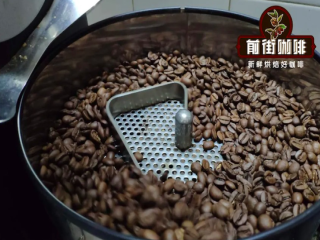
Introduction to the grading standard system of African coffee beans according to what classification of coffee beans
Friends who have tasted boutique coffee must have found that the coffee beans we drink have a variety of grades, so how are they divided? Each coffee producing area uses a different coffee grading system, such as Ethiopia and Kenya, the famous boutique coffee bean producing areas in Africa.

General knowledge of coffee bean grading A brief introduction to the grading system of coffee beans in Ethiopia
In this age of flamboyant clothes, beautiful masks and expensive silicone, Egyptian beans are obviously not the kind of people who can't resist your appearance. The long and thin bean shape, coupled with its uneven size, always feels a little born with stunting. Fortunately, God is fair, and the Egyptian beans without outstanding appearance have rich connotations (so do many ugly people.
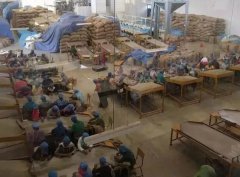
What is the coffee grading system in Kenya? What's the difference between Kenyan AA TOP and Kenyan AA?
Last time we talked about Esse's coffee grading, today let's take a look at the coffee grading in Kenya. After all, you will see AA and AB as soon as you see Kenyan coffee. What on earth do you mean? What is AA TOP? Coffee producers in Kenya are mainly divided into two types, the first is large estates, and the other is the so-called

What do some English words and numbers stand for on the name of coffee? how can you tell the difference between them?
Professional coffee knowledge exchange more coffee bean information Please follow the coffee workshop (Wechat official account cafe_style) We often see some English words and numbers on the name of coffee. In addition to representing the name of origin, they also have English words like codes or combinations of English plus numbers: for example: Kenya AA Special, Colombia Supremo, Ethiopia Yir

The way of sieve grading is to grade according to the size of raw coffee beans. The raw bean passes through the iron with holes.
The way of grading according to the screen is the method of grading according to the size of raw coffee beans. Raw beans are graded by determining the size of the beans through a holed iron plate sieve. The size of the hole in the screen is 1x64 inches (less than 0.4mm), so the size of the screen indicates that there are several screens with a size of 64 inches. For example, the size of the screen size 17 is 17thumb 64 inches, which is about 6.75mm, so the screen

[practical information] how are coffee beans screened and graded?
Communication of professional baristas Please pay attention to the grading of coffee in the coffee workshop (Wechat official account cafe_style). If the owners of two cafes are discussing, owner A says: the coffee beans we use in our shop are NO.2 in Santos, Brazil. Where is your shop? B the shopkeeper said: our store uses Brazilian NO.1 of the same level as Blue Mountain NO.1. The evaluation method adopted in Brazil is the deduction method, according to every 300 grams.
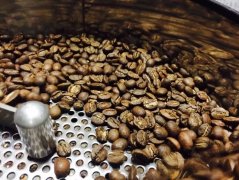
How is the coffee graded? who is in charge of grading? How is it graded?
Select coffee is usually the top coffee, but what does the top coffee represent? Who is in charge of grading? How is it graded? Although grade is not the only criterion for distinguishing flavor, it is still a quite objective index. First, why there are different ways of managing the origin of graded coffee, some are composed of large and small farmers, and some are dominated by specialized enterprises. Even if the coffee in the same place
Grading standard of raw coffee beans
There are two ways to classify brown raw beans, one is to filter the number, and the other is to divide it by elevation. It is divided by the number of the filter screen, and the size is in the unit of the screen (size). Round beans are generally smaller than flat beans, between 8-13 and 12-29. 8, 9, 10. 12, 13. 18. 29 = small, medium, ordinary. Quasi-big. Big, extra large. The bigger the size, the bigger the beans. Like SC-1.

Why is the selection of coffee graded? What are the ways to grade coffee?
Select coffee is usually the top coffee; but what does the top coffee represent? Who is in charge of grading? How should it be graded? Although grade is not the only criterion for identifying flavor, it is still a fairly objective indicator. Why there are different ways to manage the origin of graded coffee; some are made up of large and small farmers, and some are dominated by expert enterprises. Even if the same
How to grade raw beans of Brazilian coffee? how to divide the grading system of Brazilian coffee?
Professional coffee knowledge exchange more coffee bean information please follow the coffee workshop (Wechat official account cafe_style) front street-Brazil coffee graded introduction coffee bean origin management methods are different, some are composed of large and small farmers, some are dominated by professional business owners, even in the same place of coffee, its quality and flavor are also different, in order to mark coffee products
The grading system of giving priority to defects in the size of boutique Blue Mountain Coffee
Although the output of Blue Mountain Coffee is very small, it has a strict grading system, even if it is produced in the legal Blue Mountain area, it should be graded according to the size of beans and the proportion of defects. Blue Mountain No.1 Blue Mountain No. 1 bean type: 96% above 17 Blue 18 eyes defective bean proportion: 2% Blue Mountain No.2 Blue Mountain 2 bean type: 96% above 16 inch defective bean proportion: 2% Blue

Does Ethiopian coffee taste good in the sun?-introduction to the grading system of sun-cured Essex coffee beans
Professional coffee knowledge exchange more information about coffee beans please follow the coffee workshop (Wechat official account cafe_style) of all the coffee producing countries, Ethiopia is probably the most eye-catching one. In addition to the unique and outstanding coffee produced in the country, the mysterious legends related to the local coffee add to its charm. Ethiopian coffee with unrestrained floral and fruity aromas

Coffee bean producing countries have a strict grading system. What are the specific standards for Kenyan coffee?
Professional coffee knowledge exchange more coffee bean information please follow the coffee workshop (Wechat official account cafe_style) Kenyan coffee has always been considered one of the best coffee producing areas, political instability, low coffee transaction prices and other factors have caused farmers in the producing areas to give up growing coffee at an alarming rate, while young people are more likely to move to the cities to look for payroll.
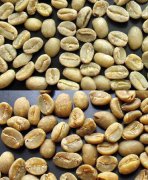
Grading of raw coffee beans
There are two ways to classify raw coffee beans, one is the filter number, and the other is the elevation. It is divided by the filter number, and the size is size in terms of the screen size. Round beans are generally smaller than flat beans, between 8-13 and 12-29. 8, 9, 10. 12, 13. 18. 29 = small, medium, ordinary. Quasi-big. Big, extra large. The bigger the size, the bigger the beans. Like SC-.

Yunnan Coffee Trading Center establishes the largest coffee grading center in Asia
According to the agreement, the Coffee quality Society will work with Yunnan Coffee Trading Center to design the overall plan for Yunnan and Asian coffee producing areas. Yunnan Coffee Trading Center will cooperate with Yunnan Coffee Trading Center to establish the largest coffee grading center, quality certification center and technical training center in Asia to improve the welfare and quality of coffee producers. The Coffee quality Society will rely on its technology and services to set up

The influence of Ecuadorian geographical location and climate on coffee grading system of Ecuadorian coffee
Ecuador introduces that coffee has been introduced into Ecuador since the 19th century. The first coffee plantations were established in the coastal areas of Manabi province in the 1860s. As one of the most biologically diverse countries on earth, Ecuador's unique ecosystem is an ideal place for the plant to flourish, and coffee soon became one of Ecuador's main exports. Until 1920

Standard for grading of fine coffee beans, common sense coffee and raw beans
It is divided by the number of the filter screen, and the size is in the unit of the screen (size). Round beans are generally smaller than flat beans, between 8-13 and 12-29. 8, 9, 10. 12, 13. 18. 29 = small, medium, ordinary. Quasi-big. Big, extra large. The bigger the size, the bigger the beans. SC-19, for example, is the No. 19 bean. According to the elevation of the cultivated land, it can be divided into seven grades.
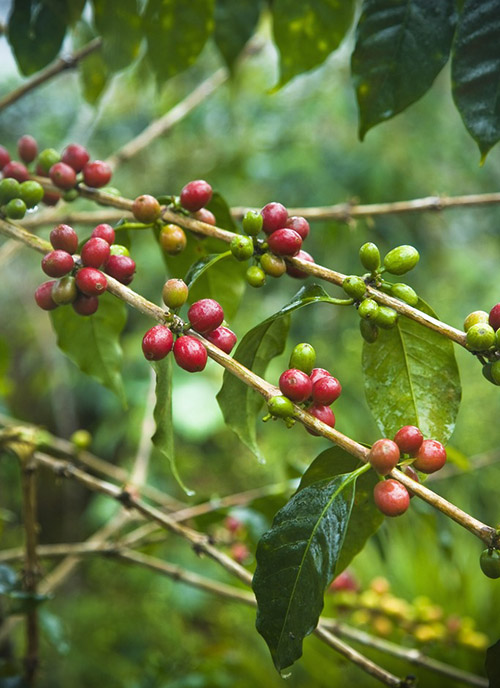
The flavor spectrum of raw bean grading model 90 + "Level" marks the top taste standard.
In the flavor spectrum of 90 +, there is a Level logo. It is the number after the product name mark L. For example, L12-means Level 12. The Level is probably in proportion to the price. It represents the grading model of raw beans: according to quality, quantity, production cost, 90 + based on the original excellent raw beans, continue to grade as follows: Level 7: single production area harvest. Will taste meticulous and

Introduction to the quality of grading Flavor description and Grinding Calibration treatment of Kenyan Coffee beans
Coffee bean grade introduction Kenya grows high-quality Arabica coffee beans, coffee beans almost absorb the essence of the whole coffee cherry, with slightly sour, thick aroma, is very popular in Europe, especially in the United Kingdom, Kenyan coffee has surpassed Costa Rican coffee and become one of the most popular coffee Kenyan coffee has an irresistible aroma.

Kenyan coffee bean grading system Kenyan coffee beans represent courage
Professional coffee knowledge exchange more coffee bean information please follow the coffee workshop (Wechat official account cafe_style) front street-Kenya grading system introduces that the Kenyan government takes the coffee industry very seriously, where it is illegal to cut down or destroy coffee trees, and it is rare to see any country as strict as Kenya in terms of coffee quality requirements.