
"ICO"
619 article(s) found
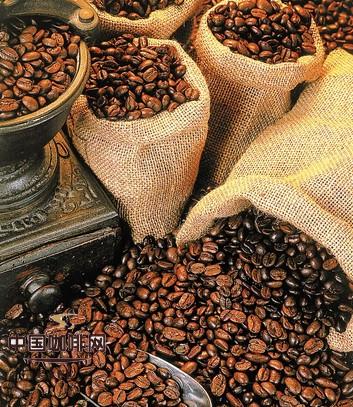
Blue Mountain Coffee Jamaica Blue Mountain Coffee Bean Export Blue Mountain Coffee Export
Export quotas according to Jamaica's CIB export statistics as of 2004, 85 per cent of the limited Blue Mountain 1 quota was allocated to Japan, 5 per cent of the United States, 5 per cent of Europe and 5 per cent of other countries. However, in the global consumption distribution of authentic Blue Mountain No. 1, according to the International Coffee Association (ICO), China accounts for 15% of the consumption of Blue Mountain coffee, which stunns the world. The reason is that some universities in Japan and Australia

El Salvador Himalayan Coffee Estate Features Variety Grind Treatment Taste Introduction
San Salvador, Bahia. An important natural deep-water port on Brazil's Atlantic coast, capital of Bahia. Located on the east coast of the Bay of Todos (Santos). With a population of 3,459,377 (as of August 1, 2010), it is the eighth largest city in Brazil. It is one of the oldest cities in Brazil, founded in 1549, and the first churches were built by Jesuit priests in 1549. until 1763.

El Salvador Coffee Manor introduces the characteristics of El Salvador Coffee Mercedes Manor
A brief History of Coffee production in 1742, coffee was introduced to El Salvador from the Caribbean (1740). In the mid-19th century, El Salvador's original export pillar Indigo (one of the dyes) received a gradual decline in the development of synthetic dyes in Europe, and coffee gradually became the main export product under the guidance of the government. In 1856, the first 693 bags of coffee beans were shipped to Europe. all long

Description of characteristics and flavor of coffee beans in Tanzania varieties produced by grinding scale
Tanzania Coffee Council (TCB) has identified six new areas as coffee growing areas, thus increasing the total number of coffee growing areas in the country to 13 to achieve the target of 100000 tons of coffee production in 2020. Adolf, chairman of TCB. Kunburu said that the staff of the council stationed in various producing areas will provide services to farmers.

Yega Xuefei G1 G3 features the taste of the sun price manor Kozel
Yirgacheffe Aricha Grade 1 raw bean color is yellow and green, is a typical sun-cured coffee color, particles are uniform and full, few defective beans, using ordinary sack packaging export, the sack printed with the basic information of coffee (processing plant, exporter, ICO code, treatment method, producing area) the sack is the plastic bag of agricultural products packaging, this coffee is the most capable of light slow baking.

A brief introduction to the description characteristics of flavor and aroma of natural hybrid El Mercedes Manor Coffee
Natural and man-made disasters and ill-fated fate can be best used to describe the challenges facing the coffee industry in El Salvador. Despite getting rid of the haze of war, El Salvador's coffee production still faces challenges from time to time, including: 1998, hurricanes; 2001, earthquake; 2002, volcanic eruption; 2012, leaf rust

Tanzanian coffee flavor, Tanzanian coffee bean taste
Following Cafe (official Wechat account vdailycom) found that Tanzania Coffee has opened a small shop of its own. Tanzania Coffee has also developed in the hands of German and British colonists. It has long been loved by Europeans and squeezed into the ranks of famous products. The most favorable factors that make Tanzanian coffee famous are Hemingway and his novels. From Haiming

El Salvador Coffee country introduces the boutique of Renas Manor in IzaIco area of Sonsonate Province
A brief History of Coffee production in 1742, coffee was introduced to El Salvador from the Caribbean (1740). In the mid-19th century, El Salvador's original export pillar Indigo (one of the dyes) received a gradual decline in the development of synthetic dyes in Europe, and coffee gradually became the main export product under the guidance of the government. In 1856, the first 693 bags of coffee beans were shipped to Europe. all long

El Salvador Coffee Variety characteristics Fine Coffee Bean Flavor description Taste Manor introduction
A brief History of Coffee production in 1742, coffee was introduced to El Salvador from the Caribbean (1740). In the mid-19th century, El Salvador's original export pillar Indigo (one of the dyes) received a gradual decline in the development of synthetic dyes in Europe, and coffee gradually became the main export product under the guidance of the government. In 1856, the first 693 bags of coffee beans were shipped to Europe. all long

Flavor description of Salvadoran Coffee introduction to the taste of manors in areas where varieties are produced
El Salvador Coffee Flavor description Grinding scale Variety producing area Manor Taste introduction Ervado Coffee ranks side by side with Mexico and Guatemala as the producer of Asa and Merdo, and is fighting for the top one or two places in China and the United States with other countries. The highlands of origin are large coffee beans of all sizes, which are fragrant and mild in taste. Like Guatemala and Costa Rica, El Salvador

Who is the king of Yunnan International Coffee Trading Center YCE or Chongqing Coffee Futures Trading Center?
Professional coffee knowledge exchange more coffee bean information please follow Coffee Workshop (Wechat official account cafe_style) Editor's Note: some organizations predict that China's coffee market will exceed one trillion yuan in 2025. Since 2018, with the capital concern, the rise of Internet coffee and the accelerated layout of giants, has China's coffee market entered a period of explosion? The heroes competed with each other, and there was smoke everywhere. Who's next?

Export quota of Blue Mountain Coffee how to buy Blue Mountain Coffee Raw beans Import Coffee beans
Export quotas according to Jamaica's CIB export statistics as of 2004, 85 per cent of the limited Blue Mountain 1 quota was allocated to Japan, 5 per cent of the United States, 5 per cent of Europe and 5 per cent of other countries. However, in the global consumption distribution of authentic Blue Mountain No. 1, according to the International Coffee Association (ICO), China accounts for 15% of the consumption of Blue Mountain coffee, which stunns the world. The reason is that some universities in Japan and Australia

Introduction to the characteristics of taste and quality of coffee flavor description treatment in Mercedes Manor in El Salvador
The present situation of coffee production in El Salvador is a natural and man-made disaster, which can be used to describe the challenges facing the coffee industry in El Salvador. Despite getting rid of the haze of war, coffee production in El Salvador still faces challenges from time to time. These include: hurricanes in 1998, earthquakes in 2001, volcanoes in 2002, and leaf rust in 2012.

Introduction to the characteristics and varieties of coffee flavor description and grinding treatment in Mercedes Manor in El Salvador
El Salvador's coffee accounts for 40% of the country's exports, and it is usually picked in November, December and January-March of the following year. The export of raw beans lasts almost all year round. Coffee is produced in seven of the country's 14 provinces, with the largest number in the northwestern provinces of chalatenango and santa ana. The coffee produced in El Salvador is 100% Arabica, of which 68% is

Introduction to the planting methods of the Coffee growing area in El Salvador
A brief History of Coffee production in 1742, coffee was introduced to El Salvador from the Caribbean (1740). In the mid-19th century, El Salvador's original export pillar Indigo (one of the dyes) received a gradual decline in the development of synthetic dyes in Europe, and coffee gradually became the main export product under the guidance of the government. In 1856, the first 693 bags of coffee beans were shipped to Europe. all long

Introduction to the treatment of Grinding degree of Coffee varieties described by Mercedes Manor in El Salvador
El Salvador's domestic topography is mainly mountainous, plateau, volcanic, known as the country of volcanoes, Santa Ana active volcano 2385 meters above sea level, for the country's highest peak; the north of the country is the Lompa River Valley, the south is a narrow coastal plain El Salvador implements a representative democratic republic system of separation of powers, the president and vice president are directly elected by the whole country, may not be re-elected, judicial power is determined by

El Salvador Coffee Manor introduces El Salvador Coffee Flavor Renas Manor
In 1742, coffee was introduced to El Salvador from the Caribbean (1740). In the mid-19th century, El Salvador's original export pillar Indigo (one of the dyes) received a gradual decline in the development of synthetic dyes in Europe, and coffee gradually became the main export product under the guidance of the government. In 1856, the first 693 bags of coffee beans were shipped to Europe. Until the second World University.

Salvadoran coffee with a nice sweetness Taste Manor Features of the region Renas Manor
A brief history of coffee production In 1742, coffee was introduced into El Salvador from the Caribbean (one said 1740). In the mid-19th century, El Salvador's original export pillar Indigo (Indigo, a dye) gradually declined due to the development of synthetic dyes in Europe, and coffee gradually became the main export product under the leadership of the government. In 1856, the first 693 bags of coffee beans were shipped to Europe. always

Introduction of Mt. Everest Coffee Grinding scale Variety production area treatment Manor in El Salvador
A brief History of Coffee production in 1742, coffee was introduced to El Salvador from the Caribbean (1740). In the mid-19th century, El Salvador's original export pillar Indigo (one of the dyes) received a gradual decline in the development of synthetic dyes in Europe, and coffee gradually became the main export product under the guidance of the government. In 1856, the first 693 bags of coffee beans were shipped to Europe. all long

The Taste and Flavor characteristics of aricha Coffee beans
The color of Yirgacheffe Aricha Grade 1 raw beans is yellow and green, which is a typical color of sun-cured coffee. It is uniform and full, with few defective beans. It is packaged and exported in ordinary sacks. The basic information of coffee is printed and dyed on the sacks (processing plant, exporter, ICO code, treatment methods, producing areas). Inside the sacks are plastic bags for agricultural products.