
"Jima"
674 article(s) found

The plateau of Ethiopia, a coffee producing area in the world, is the birthplace of coffee.
The highlands of Ethiopia are the birthplace of coffee. The traditional drying method is still used to produce mocha-Hara beans (Harrar,Harari,Harer or Harar) at an altitude of about 2,000 meters near Harrar in the east. Hara has a medium texture with a fruit wine-like flavor, and a good Hara is as wild as the best Yemenmoka. Dried beans from other areas, such as

Ethiopian coffee origin Ethiopian coffee processing
Various forms of coffee cultivation can be found in Ethiopia: everything from wild coffee forests and semi-developed land to traditionally operated plots to modern plantations. About 50% of the coffee is grown more than 1500 meters above sea level. Harrar coffee is the highest growing area of all coffee in Ethiopia. Hara coffee can be divided into long coffee.

The Origin of Ethiopian Coffee Variety
Various forms of coffee cultivation can be found in Ethiopia: everything from wild coffee forests and semi-developed land to traditionally operated plots to modern plantations. About 50% of the coffee is grown more than 1500 meters above sea level. Harrar coffee is the highest growing area of all coffee in Ethiopia. Hara coffee can be divided into long coffee.
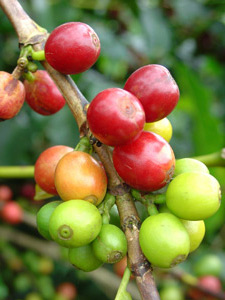
Ethiopia Limu medium roast coffee beans fine coffee producing area
Ethiopia's coffee producing regions are Sidamo, Harrar and Yirgacheffe. Sidamo and Harrar are provinces and divisions. Sidamo is located in the south of Ethiopia and adjacent to Kenya. Harrar borders Somalia in the east of Ethiopia. Although Yirgacheffe is a small area in Sidamo region, due to soil composition and water content, etc.

Coffee Culture in Ethiopia Coffee Origin
Various forms of coffee cultivation can be found in Ethiopia: everything from wild coffee forests and semi-developed land to traditionally operated plots to modern plantations. About 50% of the coffee is grown more than 1500 meters above sea level. Harrar coffee is the highest growing area of all coffee in Ethiopia. Hara coffee can be divided into long coffee.

Ethiopia Coffee Gemma Production Area
At an altitude of 1,400 to 1,800 meters, Lim continues south to reach the Gemma region. This area is the main body of Kafa Forest, specializing in bulk commercial beans, with an annual export volume of more than 60,000 to 80,000 tons, accounting for one third of Egypt's output, and is the largest production area. Gemma is a sun-baked bean, which is very common in our market. It is also called Ethiopian mocha, but its price is much lower than Harald mocha. Jimachan

Ethiopian Yega Xuefei Fine Coffee with unique Ethiopian Flavor
Although the Ethiopian Yirgacheffe coffee is petite, it is gentle and delicate and sweet. As the hometown of coffee, thousands of years of planting history and processing tradition in Ethiopia have created high-quality washed Arabica beans. Light baking has unique sweet aromas of lemon, flowers and honey, soft acidity and citrus flavors, fresh and bright on the palate. Without

Introduction to the characteristics of Ethiopian Yega Xuefei Coffee
Although the Ethiopian Yirgacheffe coffee is petite, it is gentle and delicate and sweet. As the hometown of coffee, thousands of years of planting history and processing tradition in Ethiopia have created high-quality washed Arabica beans. Light baking has unique sweet aromas of lemon, flowers and honey, soft acidity and citrus flavors, fresh and bright on the palate. Without
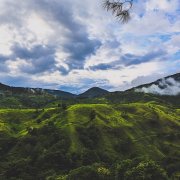
washed rum ranked second only to Yerga Coffee.
Specialty coffee is also known as specialty coffee. It refers to coffee made from green beans with excellent taste characteristics grown in a few extremely ideal geographical environments. Depending on the particular soil and climatic conditions in which they are grown, they have outstanding flavors. This type of coffee is carefully selected and graded for its hard texture, rich taste and wind.

Ethiopian coffee originated from Ethiopian coffee culture
Various forms of coffee cultivation can be found in Ethiopia: everything from wild coffee forests and semi-developed land to traditionally operated plots to modern plantations. About 50% of the coffee is grown more than 1500 meters above sea level. Harrar coffee is the highest growing area of all coffee in Ethiopia. Hara coffee can be divided into long coffee.

Introduction to the method of taste treatment for describing the flavor of sunny Sidamo coffee
Sidamo coffee flavor description characteristics taste treatment product name: Sidamo producing area: Africa Ethiopia Sidamo Ethiopia is a very important coffee exporter in the world, the main producing areas are Sidamo, Yegashifi, Cochel, Hara, Jima and so on. Sidamo is a major producing area of boutique beans, with excellent fruit characteristics and meticulous coffee beans.

Cultivation method of Yega Xuefei Coffee in Ethiopia
Various forms of coffee cultivation can be found in Ethiopia: everything from wild coffee forests and semi-developed land to traditionally operated plots to modern plantations. About 50% of the coffee is grown more than 1500 meters above sea level. Harrar coffee is the highest growing area of all coffee in Ethiopia. Hara coffee can be divided into long coffee.
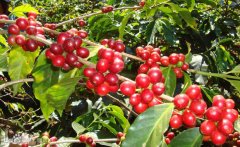
Sidamo is a typical example of ancient morning flavor, which is listed as "Ethiopian double Star" together with Yega Xuefen.
Sidamo grows in the southernmost Ethiopian plateau at an altitude of 4600-7200 feet (Sidamo province), southeast of Jima, just south of the capital, usually with obvious sweetness and favored by most people. its annual output is about 225000bags/60kg, with beans smaller than Longberry and greenish in green. in Xidamo's sun drying field, coffee is placed in hemp net wooden racks, and workers take turns in the sun.

Ethiopian coffee culture the origin of Ethiopian coffee
Various forms of coffee cultivation can be found in Ethiopia: everything from wild coffee forests and semi-developed land to traditionally operated plots to modern plantations. About 50% of the coffee is grown more than 1500 meters above sea level. Harrar coffee is the highest growing area of all coffee in Ethiopia. Hara coffee can be divided into long coffee.

How to deal with the processing of Ethiopian single bean? how to divide the grade of Ethiopian single bean?
Professional barista exchanges please follow the coffee workshop (Wechat official account cafe_style) the world-famous Ethiopian coffee are: 1. Limu coffee grows between 1400 meters and 2000 meters above sea level. Wash the coffee. Excellent quality, with strong nut aromas, suitable acidity, with the intensity of wine. The annual output is 29000 tons. 2. Jima coffee grows at an altitude of 140.

Ethiopian coffee origin
Ethiopia can find a variety of coffee cultivation methods: from wild coffee groves and semi-developed land, to small plots of traditional management, to modern plantations. About 50 percent of coffee is grown at altitudes of more than 1500 meters. Harrar coffee is the highest coffee grown in Ethiopia. Hara coffee can be divided into long coffee

Introduction to the cultivation of the latest varieties of world-famous Ethiopian coffee
The world-famous Ethiopian coffee mainly includes: 1. Limu coffee grows between 1400 meters and 2000 meters above sea level. washed coffee. Excellent quality, with intense nutty aromas, moderate acidity and wine intensity. Annual production of 29,000 tons. Gima coffee grows between 1400 and 1800 meters above sea level. Sunburn coffee. Slightly sour, nutty and long finish. annual output of
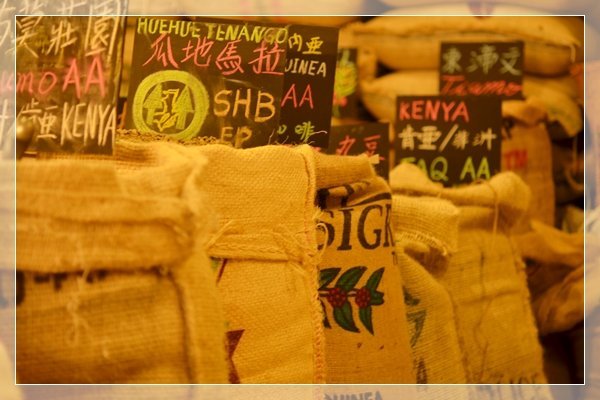
Ethiopia-Ghimbi, Sidamo, Harar and Yegashefi
Ethiopia's coffee-producing areas are divided into east and west parts by the Great Rift Valley. Lakes, volcanoes, lowlands, plateaus and woodlands alternate and evolve independently. Ethiopia has the most diverse coffee ecosystem in the world (forest coffee, semi-forest coffee, pastoral coffee and plantation coffee), which also allows it to preserve its rich Arabica genes. The eastern half is mostly plateau, coffee beans
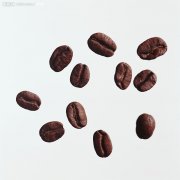
For Europe and the United States, the ranking of rinsing Lim is second only to Yega Schiffe.
Limu grows in the southern western highlands of Ethiopia (border between Shewa and Sidmo provinces) east of Jima and north of West Dharma. it is preferred by most Europeans and Americans at an altitude of 3600-6200 feet. Its annual output is about 110000bags/60kg, and most of the beans are round (15/16scr). The color is green and bluish, the export is mostly G2 grade, and the taste is similar to that of Yegashev.
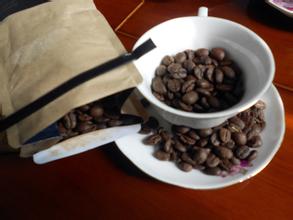
Ethiopian Yega Xuefei Coffee has a unique flavor and full taste.
Although the Ethiopian Yirgacheffe coffee is petite, it is gentle and delicate and sweet. As the hometown of coffee, thousands of years of planting history and processing tradition in Ethiopia have created high-quality washed Arabica beans. Light baking has unique sweet aromas of lemon, flowers and honey, soft acidity and citrus flavors, fresh and bright on the palate. No.