
"Jima"
674 article(s) found

Ethiopia Coffee bulk Commercial Bean producing area: Jinbi / Lekemp 05
Altitude: 1500-2100 m forest / semi-forest coffee system harvest time: February-April around the two cities of Ghimbi and Lekempti producing area names often appear jointly. Coffee roasters can use either or both. Lekempti is the capital of the region, but coffee beans with that name may come from the city of Ghimb, 100km away. Grew up in Siegopi.

Ethiopian coffee beans introduce boutique coffee Sidamo Lion King Coffee
Various forms of coffee cultivation can be found in Ethiopia: everything from wild coffee forests and semi-developed land to traditional plots of land to modern plantations. About 50% of the coffee is grown more than 1500 meters above sea level. Harrar coffee is the highest growing area of all coffee in Ethiopia. Hara coffee can be divided into long coffee.

The highland of Ethiopia is the birthplace of coffee.
The highlands of Ethiopia are the birthplace of coffee. The traditional drying method is still used to produce mocha-Hara beans (Harrar,Harari,Harer or Harar) at an altitude of about 2,000 meters near Harrar in the east. Hara has a medium texture with a fruit wine-like flavor, and a good Hara is as wild as the best Yemenmoka. Dried beans from other areas, such as

The highlands of Ethiopia are the birthplace of coffee.
The highlands of Ethiopia are the birthplace of coffee. The traditional drying method is still used to produce mocha-Hara beans (Harrar,Harari,Harer or Harar) at an altitude of about 2,000 meters near Harrar in the east. Hara has a medium texture with a fruit wine-like flavor, and a good Hara is as wild as the best Yemenmoka. Dried beans from other areas, such as

Ethiopian coffee is somewhat similar to the famous mocha coffee
Coffee began as something monks used to keep their heads clear for evening prayers. Today, Ethiopia is an important coffee producer, with approximately 12 million people engaged in coffee production, and is Africa's leading exporter of Arabica coffee beans. The quality of coffee here is excellent and worth looking for. Coffee trees Coffee trees can be found in Ethiopia in various ways of coffee cultivation: from pieces
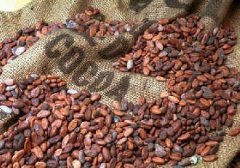
Ethiopian Coffee the most famous boutique coffee beans introduce Ethiopian coffee features Ethiopia
1. Limu coffee grows between 1400 meters and 2000 meters above sea level. Wash the coffee. Excellent quality, with strong nut aromas, suitable acidity, with the intensity of wine. The annual output is 29000 tons. 2. Jima Coffee grows between 1400 and 1800 meters above sea level. Sun-baked coffee. Slightly sour, with nutty aromas and a long finish. The annual output is 70000 tons. 3. Growth of Gamby Coffee

Ethiopian coffee varieties Ethiopian coffee varieties
Ethiopia can find a variety of coffee cultivation methods: from wild coffee groves and semi-developed land, to small plots of traditional management, to modern plantations. About 50 percent of coffee is grown at altitudes of more than 1500 meters. Harrar coffee is the highest coffee grown in Ethiopia. Hara coffee can be divided into long coffee

Ethiopian Coffee introduction one of the major producers of Arabian coffee in Africa
Ethiopia is one of the major producers of Arabica coffee in Africa, producing the best Arabian coffee in the world. It is said that coffee was first discovered by shepherds in Essekafa, and the name of coffee evolved from Kafa, so Essex is still the hometown of coffee. The geographical environment of coffee production and processing is very suitable for coffee growth. Coffee is mainly cultivated.

Introduction to the altitude of coffee bean cultivation in Ethiopia
Ethiopia is an important coffee producer with about 12 million people engaged in coffee production and is a major exporter of Arab coffee beans in Africa. The high-quality coffee here is of excellent quality and is worth looking for. A variety of coffee cultivation methods can be found in Ethiopia: from wild coffee forests and semi-developed land to traditional plots of land to modern plantations.

Ghimbi West Ethiopian Coffee grows Commercial Coffee beans and Comprehensive mixed Coffee beans
Boutique coffee (specialty coffee) is also called specialty coffee selection coffee. It refers to coffee made from a small number of raw beans with excellent taste grown in an ideal geographical environment. Depending on the special soil and climatic conditions in which they grow, they have outstanding flavor. After strict selection and classification, this kind of coffee is hard in texture, rich in taste and stylish.

Essex Coffee's most famous boutique coffee beans introduce the common sense of coffee
1. Limu coffee grows between 1400 meters and 2000 meters above sea level. Wash the coffee. Excellent quality, with strong nut aromas, suitable acidity, with the intensity of wine. The annual output is 29000 tons. 2. Jima Coffee grows between 1400 and 1800 meters above sea level. Sun-baked coffee. Slightly sour, with nutty aromas and a long finish. The annual output is 70000 tons. 3. Growth of Gamby Coffee

Where is the best coffee in the world?
Fine coffee beans are refined by water treatment. Washing refining method can get coffee beans with less impurities, but if the water quality and time of washing beans are not properly controlled during fermentation, it will easily cause coffee beans to be infected with excessive fermentation sour, and dry processing beans also need to pay attention to timely inspection and prevent coffee beans from being contaminated by wet ground and impurities. the processed

Introduction to Illubabor Coffee what is the Illubabor variety? Rosa Village Coffee
Professional Coffee knowledge Exchange more information about coffee beans Please follow the coffee workshop (Wechat official account cafe_style) Illubabor Forest, the choice of disease-resistant varieties was discovered in the Illubabor Coffee Forest in 1974. Illubabor is a variety that has a high flavor in the United States and Europe. It stands out for its jasmine, honey and passion fruit flavors.

Description of 91 points Flavor and Flavor of Ethiopia Water washing Harrosana Cooperative
Professional barista communication please follow the coffee workshop (Wechat official account cafe_style) ■ country: Ethiopia ■ Manor: Harrosana Cooperative ■ producing area: Gima Jimma ■ Variety: Ethiopian Native species ■ treatment method: washing ■ Harvest time: 2017 ■ Grade: GR1 Cup Test report: this is Agaro located in Jimma area, there are many in this area.

Ethiopian coffee cultivation methods
Ethiopia has a variety of coffee cultivation methods: from wild coffee groves and semi-developed plots, to small plots of traditional farming, to modern plantations. About 50 percent of coffee is grown at altitudes of more than 1500 meters. Harrar coffee is the highest coffee grown in Ethiopia. Hara coffee can be divided into long

The plateau of Ethiopia, the birthplace of coffee culture, is the birthplace of coffee.
The highlands of Ethiopia are the birthplace of coffee. The traditional drying method is still used to produce mocha-Hara beans (Harrar,Harari,Harer or Harar) at an altitude of about 2,000 meters near Harrar in the east. Hara has a medium texture with a fruit wine-like flavor, and a good Hara is as wild as the best Yemenmoka. Dried beans from other areas, such as

Flavor and taste characteristics of Sidamo and Yerga Shefi Coffee
Ethiopia is a very important coffee exporting country in the world. The main producing areas are Sidama, Yejia Shefei, Kocher, Hara, Jima, etc. Sidamo is a major producer of fine beans known for their excellent fruit character and delicate, elegant flavor. Yega Shefi, as you are familiar with
Ethiopia's highlands are the birthplace of coffee. Boutique coffee represents the region of Yega Shefi.
The Ethiopian plateau is the birthplace of coffee. In the east, near Harrar, the ancient capital, mocha beans (Harrar,Harari,Harer or Harar) are still produced by traditional drying methods at an altitude of about 2,000 meters above sea level. Halal's texture is medium, with a fruity, wine-like flavor, good Halal's wildness is comparable to the best Yemeni mocha. Dryness in other areas

Ethiopian coffee is the most popular coffee in the world.
Ethiopia is one of the major producers of arabica coffee in Africa and produces the best arabica coffee in the world. It is said that coffee was first discovered by shepherds in Ethiopia, and the name of coffee evolved from Kafa, so Ethiopia is still the hometown of coffee. The natural characteristics of Ethiopian coffee beans include large
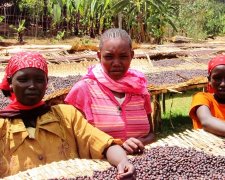
Fine coffee made from coffee beans at a high altitude in Western Ethiopia.
The term "fine coffee" was first put forward by Ms. Knudsen of the United States in Coffee and Tea magazine. At that time, Ms. Knudsen, as a coffee buyer at B.C. Ireland in San Francisco, was very dissatisfied with the neglect of the quality of raw coffee in the industry, and even some big roasters mixed a large amount of Robesda beans in the comprehensive beans, so she put forward the concept of boutique coffee.