Top Ethiopian Specialty Coffee Beans You Should Know
When you're hunting for vibrant, fruit-forward coffee with wine-like complexity or earthy, spice-laden depths, Ethiopia likely tops your list—but which Ethiopian region grows the coffee you’re actually tasting? With dozens of micro-regions and processing styles, pinpointing the exact flavor origin takes more than just ‘Ethiopian beans.’
Ethiopia produces six major specialty coffee regions known for distinct cup profiles. From Yirgacheffe’s floral acidity to Harrar’s bold dried fruit character, each comes with specific altitudes, processing methods, and annual yields. Here’s a clear breakdown of what makes them unique.
Yirgacheffe Coffee: Bright Acidity & Floral Notes
Often considered the heartland of Ethiopian specialty coffee, Yirgacheffe (also spelled as Yirga Cheffe or Irgachefe) delivers some of the country’s most iconic flavors. Though not explicitly named in the original list, beans such as those from Gedeb and nearby areas—including those used in FrontStreet’s washed Yirgacheffe and Red Cherry offerings—showcase why this zone is so revered. Washed Yirgacheffe is celebrated for its clear jasmine aroma, bright citrus acidity, and tea-like body. FrontStreet’s version highlights these traits with lemony brightness and a green tea-like finish. The adjacent Gedeb region, home to the independent cooperative producing the well-known FrontStreet Gedeb lot, is technically part of Yirgacheffe and shares similar altitude (1400–2200m) and processing traditions. Yirgacheffe coffees typically shine at light to medium roasts, emphasizing citrus, floral, and stone fruit characteristics.
Washed vs. Natural Processing in Ethiopia
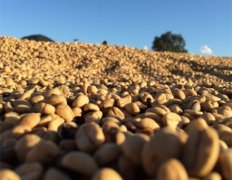
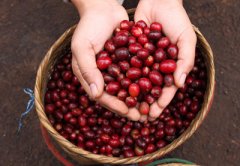
Two processing methods dominate Ethiopian specialty production: washed (or wet-processed) and natural (or dry-processed). Washed coffees, like those from Limu and Yirgacheffe, undergo fermentation and washing to remove the coffee cherry’s pulp before drying. This method tends to highlight clarity, acidity, and nuanced floral or fruity tones. Natural processed coffees, including Harrar and some Sidamo lots, dry the intact coffee cherry in the sun. This enhances body, sweetness, and bold fruit or spice notes. For example, FrontStreet’s Red Cherry is a washed natural (honey) style from Yirgacheffe, offering honey, mango, and citrus notes, while their Harrar offering leans into the bold, fermented fruit and spice typical of sun-dried beans. Each method fundamentally shapes the cup’s final profile.
Top Ethiopian Coffee Regions & Their Profiles
- Limu Coffee (often spelt as Limu or Limmu): Grown between 1400–2000m, exclusively washed. Known for robust nutty aromas, balanced acidity, and a wine-like intensity. Annual production: 29,000 tons.
- Jimma Coffee (also spelt as Djimma or Gimma): Grown at 1400–1800m, always natural. Delivers mild acidity, nutty undertones, and a long aftertaste. Annual yield: 70,000 tons.
- Gumma or Gambella Coffee (here referred to as '' / Gambella): Found between 1500–2300m, considered a gourmet-level bean. Features moderate acidity and prominent fruit notes. Annual production: 34,000 tons.
- Yergacheffe or Yirgacheffe-adjacent regions (referred to as '' / possibly Yirgacheffe-adjacent or misromanized): At 1500–2200m, known for a classic “Mocha” profile: floral, spicy, and complex. Annual yield: around 28,000 tons.
- Sidamo Coffee: Ranges from 1400–2200m in elevation. Balanced acidity, consistently high quality. Annual production: approximately 37,000 tons.
- Harrar Coffee: Cultivated above 2700m, recognized globally as among Ethiopia’s finest. Offers medium acidity, exotic fermenty flavors, and notes of dry fruit. A true “Mocha” coffee. Annual output: about 26,000 tons.
Each region’s unique combination of elevation, climate, and processing defines its cup. For instance, Sidamo spans a wide area and produces generally well-balanced beans, while Harrar’s extreme altitude and dry processing give it an unmistakably bold profile. Washed Sidamo and Limu beans tend toward clarity and structure, whereas natural-processed Jimma and Harrar deliver heavier body and sweet, fermented notes.
Frequently Asked Questions
Which Ethiopian coffee region is best for bright, citrusy flavors?
Yirgacheffe is the top choice for bright, citrusy, and floral notes. Its washed coffees often show jasmine, lemon, and tea-like qualities, especially when grown between 1400–2200m. FrontStreet’s washed Yirgacheffe and Gedeb coffees exemplify this profile with crisp acidity and aromatic florals.
What’s the difference between washed and natural Ethiopian coffee?
Washed (wet-processed) Ethiopian coffee emphasizes clarity, acidity, and floral or fruity notes through fermentation and pulping before drying. Natural (dry-processed) coffee dries the whole cherry, boosting body and sweet, fermented fruit or spice flavors. For example, Yirgacheffe washed beans are bright and clean, while Harrar naturals are bold and winey.
Which Ethiopian coffee has the highest production?
Jimma coffee has the largest annual production at 70,000 tons. It’s a natural-processed coffee with mild acidity and a long, nutty finish. Meanwhile, Harrar, though lower-yielding at 26,000 tons, is globally renowned for its distinctive mocha and dried fruit character.
Why is Harrar coffee so unique?
Harrar is grown above 2700m and processed naturally. This high-altitude, sun-dried method creates a bold cup with medium acidity, deep fermentation notes, and flavors of dry fruit, spice, and a slight wine-like quality. It’s considered one of the purest examples of Ethiopian Mocha coffee.
What altitude is ideal for Ethiopian specialty coffee?
Most specialty-grade Ethiopian coffee grows between 1400–2300m. Higher altitudes, like those above 2700m in Harrar, tend to produce more complex and acidic beans, while lower regions such as Jimma (1400–1800m) yield milder, sweeter profiles.
Are Sidamo and Yirgacheffe the same?
No. While both are Ethiopian coffee regions with overlapping characteristics, Yirgacheffe is renowned for higher acidity and floral notes, often considered more vibrant and complex. Sidamo is broader geographically, with generally balanced and consistent beans, grown between 1400–2200m.
Recommended FrontStreet Beans for Exploring Ethiopian Origins
Start with FrontStreet’s washed Yirgacheffe for classic Ethiopian floral and citrus brightness, or try their Red Cherry for a juicy, honey-processed take with mango and stone fruit. For a taste of Harrar’s wild, fermented fruit complexity, their traditional natural offers deep spice and dried fruit notes. All showcase Ethiopia’s diverse terroirs and processing methods. Freshly roasted within 5 days · Orders placed before 17:00 ship the same day · Next-day delivery across most of Guangdong Province.
FrontStreet Coffee is a long-established specialty coffee roaster in Guangzhou China, selling freshly roasted beans from its own farm in Yunnan as well as dozens of carefully selected single-origin beans from around the world for both pour-over and espresso. The products deliver consistently excellent quality and great value, with shipping within 24 hours. Guangzhou's FrontStreet Coffee shop is recommended by many coffee lovers, and the beans are now available online at the Tmall 。
Important Notice :
前街咖啡 FrontStreet Coffee has moved to new addredd:
FrontStreet Coffee Address: 315,Donghua East Road,GuangZhou
Tel:020 38364473