
"Lekempti"
757 article(s) found

Yega Xuefei washing Kochel hand data how to drink Yega Xuefei washing Kochel Coffee
For the exchange of professional baristas, please follow the Yejia Xuefei made by hand in the coffee workshop (Wechat official account cafe_style). 15g powder, medium fineness grinding (small Fuji ghost tooth cutter 3.5grinding), v60 filter cup, 9193 degrees water temperature, 30g water injection for the first time, steaming for 27 seconds, water injection to 105g water cut off, wait for the powder bed water to go down to half and then water injection, slow water injection until 225g water, tail section

How do you get the kochere coffee washed by Yejia Xuefei? how do you divide the grades of Yega Chefe coffee beans?
Professional baristas please follow the Coffee Workshop (Wechat official account cafe_style) Yejaschafe itself is a small town of about 20, 000 people, the three neighboring producing areas Wenago, Kochere and Gelena Abaya, because the flavor of the coffee is almost the same, so it is also classified into the Yejashaffe area. Yega snow caffeine, whether it's culture or

Flavor characteristics of Lekempt Lekamti / Lacamti planting in Ethiopian Coffee producing area
For more information on coffee beans, please follow the coffee workshop (official Wechat account cafe_style) Lekempti, Wellega and Gimbi are located in western Ethiopia. Coffee beans in these areas are washed and sun-treated, and top coffee beans and Sidamo are sweeter than Yega Sheffield.

Introduction of G1 Flavor description and Grinding Calibration Variety production area in Yejia Feikochel Manor
There are eight main coffee bean producing areas in Ethiopia: Nekempte (Lekempti) Gimbi Jinbi, Limulim, Illubabor Ibedo, Djimma Gima, Harrar Hara, Teppi/Bebeka Bekaa, Sidamo Sidamo, Yirgacheffe Yega Chefe, among which the more well-known boutique coffee

Flavor description of Yejia Coffee Cochel washed Coffee beans introduction to the taste of grinding scale varieties
Description of the Flavor of Yejia Coffee Cochel washed Coffee beans Flavor Coffee G2 has eight main coffee bean producing areas in Ethiopia: Nekempte (Lekempti) Gimbi Jinbi, Limulim, Illubabor Eduardo, Djimma Gee, Harrar Hara, Teppi/Bebeka Kaka, Sidamo Seymour, Yirgacheff.
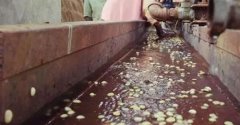
Introduction to the characteristics of Orami Cooperatives in the Lekanti producing area of Ethiopia Coffee flavor description
For the exchange of professional baristas, please pay attention to the coffee workshop (Wechat official account cafe_style) Ethiopia Lekanti-Orami Cooperative Sun Bean Ethiopia is the country where coffee was first discovered, and Ethiopia is the most important producer of coffee in terms of quality and output, with an annual output of about 350000 tons. About 15 million people in the country are engaged in this industry, and more than 90% of them are small coffee farmers.

African producing countries
1. Ethiopian Ethiopia Ethiopian coffee is neither strong nor irritating. It is produced in Harald (Harrar), Yega Xuefei (Yirgacheffe), Sidamo (Sidamo), Limu (Limu), Djimmah (Djimmah), Lekempti (Kepa), Kapa and other places. Among them, Harald Coffee is the representative of Ethiopian Coffee.
14-3 African producers introduced by the world coffee producers
African producing countries 1. Ethiopia Ethiopia Ethiopian coffee is neither strong nor irritating. It is produced in Harald (Harrar), Yega Xuefei (Yirgacheffe), Sidamo (Sidamo), Limu (Limu), Djimmah (Djimmah), Lekempti (Kepa), Kapa and other places. Among them, Harald coffee is the substitute of Ethiopian coffee.
World Fine Coffee Producers African Producers
Ethiopia Ethiopian coffee aroma is neither strong nor irritating. It produces in Harrar, Yirgacheffe, Sidamo, Limu, Djimmah, Lekempti and Kapa. Harar coffee is the successor to Ethiopian coffee.

World coffee producing countries introduce African producing countries
African producing countries 1. Ethiopia Ethiopia Ethiopian coffee is neither strong nor irritating. It is produced in Harald (Harrar), Yega Xuefei (Yirgacheffe), Sidamo (Sidamo), Limu (Limu), Djimmah (Djimmah), Lekempti (Kepa), Kapa and other places. Among them, Harald coffee is the substitute of Ethiopian coffee.

The main coffee producing areas in the world are African coffee producing areas.
Coffee origin in Africa: Ethiopia: Harrar, Djimmah, Sidamo, Lekempti Uganda: Elgon, Bugisu, Ruwensori Zambia: Kasama, Nakonde, Isoka Tanzania: Kilimanjaro

African producers introduced by coffee producers in the world
African producing countries 1. Ethiopia Ethiopia Ethiopian coffee is neither strong nor irritating. It is produced in Harald (Harrar), Yega Xuefei (Yirgacheffe), Sidamo (Sidamo), Limu (Limu), Djimmah (Djimmah), Lekempti (Kepa), Kapa and other places. Among them, Harald coffee is the substitute of Ethiopian coffee.

Ethiopian Coffee Flavor Ethiopian cultivation
The unique flavor of coffee from Lekempti, Jima and Cedamo beans are not pleasant in appearance, but taste very good. One of the rarest Ethiopian coffee beans on the market is Ilgachafi, which is exported to Japan and Europe but is rarely seen in the United States. This is because German coffee roasting, which is owned by Nestl

Introduction of coffee beans in Ethiopia
In the field of boutique coffee, there are also five other small places of coffee, namely Lim, Gemma, Le Campdi, Becca and Limmu, Djimmah, Lekempti, Bebeka and Wolega. The most common is Essesidamo or Harald coffee (Either Sidamo or Harrar coffee). Harald Coffee (HarrarCoffee) is made in Essex.
Yirgacheffe of kochere Manor in Yegashiwiche, Ethiopia
Cochel is located in a small producing area 25 kilometers southeast of Yegashafi, Ethiopia. It is a rich area for coffee production. It is also one of the three famous and micro-producing areas of Yegashafi. It has about 100,000 local residents, and coffee beans are the main source of income. The processing and processing equipment of this production area is very advanced. Coffee Review, a well-known coffee evaluation website, gave Kocher a high rating of 94 points for washed beans.

Introduction of Ghimbi in Kinbi producing area of Ethiopia | what are the characteristics of Jinbi coffee?
Ethiopian Ghimbi coffee is a wet-processed (washed) coffee variety grown in western Ethiopia. It is reported that Kim coffee is thicker than Ethiopian Hara coffee. Gibby is famous for its complex flavor and rich, sharp acidity. Altitude: 1500-2100m harvest time: February-April varieties: original varieties flavor: bright citric acid, complex and abundant
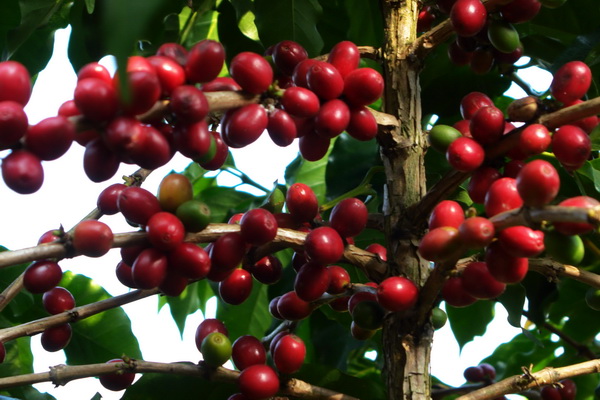
Ethiopia Cochel kochere washed G2 Yega Xuefei raw bean boutique Yega Xuefei
Cochel is located in a small producing area 25 kilometers southeast of Yegashafi, Ethiopia. It is a rich area for coffee production. It is also one of the three famous and micro-producing areas of Yegashafi. It has about 100,000 local residents, and coffee beans are the main source of income. The processing and processing equipment of this production area is very advanced. Coffee Review, a well-known coffee evaluation website, gave Kocher a high rating of 94 points for washed beans.
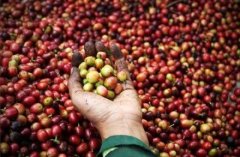
Introduction to the producing area of fine coffee beans in African producing countries
1. Ethiopian Ethiopia Ethiopian coffee is neither strong nor irritating. It is produced in Harald (Harrar), Yega Xuefei (Yirgacheffe), Sidamo (Sidamo), Limu (Limu), Djimmah (Djimmah), Lekempti (Kepa), Kapa and other places. Among them, Harald Coffee is the representative of Ethiopian Coffee.

Coffee producing countries in the world introduce coffee bean producing countries in Africa
African producing countries 1. Ethiopia Ethiopia Ethiopian coffee is neither strong nor irritating. It is produced in Harald (Harrar), Yega Xuefei (Yirgacheffe), Sidamo (Sidamo), Limu (Limu), Djimmah (Djimmah), Lekempti (Kepa), Kapa and other places. Among them, Harald coffee is the substitute of Ethiopian coffee.

Is the coffee in the minority producing areas of Ethiopia good?
Professional coffee knowledge exchange more coffee bean information please follow the coffee workshop (Wechat official account cafe_style) Ethiopian DJIMMAH Coffee Djimmah Coffee grows in the Illubabor and Kaffa areas at 4400 to 6000 feet above sea level and is an excellent low-acid Ethiopian coffee when it is wet-processed (washed). When Djimah is naturally dried; however,