
"Mattar"
186 article(s) found

A brief introduction to the treatment method of grinding degree and baking degree of Yemeni boutique coffee beans with unique flavor
The origin of these trees is Ethiopia. Yemen is the first country in the world to produce coffee on a large scale as a crop. Today, Yemeni coffee farmers still produce coffee in the same way as they did 500 years ago. Coffee berries grow naturally on trees, without any artificial fertilizers or pesticides, receive a small amount of rain and fog on the hillside in summer, blossom and bear fruit.

A brief introduction to the history and culture of the origin and development of spicy Yemeni boutique coffee beans
Mokha Sanani: a widespread market name for coffee from some growing areas west of the Yemeni capital Sanaa. It is a mixture of beans from tens of thousands of small farms on the hillside near the capital Sana (left, Sana'a, Yemen). The elevation of the plant is slightly lower than that of Madali, and generally speaking, it tastes thinner and less acidic than Madali, but it has a good fruit flavor and often has a better ripeness than Madali.

A brief introduction to the planting situation of Yemeni boutique coffee beans with complete grain shape, geographical location, climate and altitude
★★★: excellent market for Yemeni coffee: Yemeni coffee is exported from December to April of the following year. The problem in the past has been that coffee from the north was mixed with shoddy stuff before it was shipped from the southern port of Aden. Only coffee shipped from the port of Hodeida can be determined to come from the north. The vast majority of coffee in Yemen is made by natural conditions.

Introduction of Yemeni mocha coffee beans and characteristics of Yemeni mocha coffee beans
Following caf é comments (Wechat official account vdailycom) found that Caf é Beautiful Caf é opened a small shop of its own. Coffee is one of the traditional Yemeni agricultural products. It has been famous all over the world for its unique flavor since ancient times. Many of the world's coffees are of origin in Yemen, thanks to Yemen's special geographical location. In Yemen, coffee grows mainly between 1000 and 1700 meters above sea level, from plateaus to high mountains.

A brief introduction to the treatment method of grinding degree and baking degree of Yemeni high-quality coffee beans with complete grain shape
The characteristics of Yemeni coffee: the taste of Yemeni mocha is complex and changeable, and how to bake the best flavor of Yemeni mocha is a challenge for coffee roasters. Medium and shallow roasting shows sweet fruit, mild, warm sun-fermented flavor; deep baking shows a strong aroma of red wine, bitter sweet chocolate finish. Flavor: exotic, slightly alcoholic, spicy and exciting, different, must be tasted

Where do the Yemeni mocha coffee beans come from? which country is the Yemeni mocha coffee bean from which manor?
Professional coffee knowledge exchange more coffee bean information please follow the coffee workshop (Wechat official account cafe_style) Yemeni mocha coffee beans Coffee production: Yemen produces bean-shaped berry coffee beans (Peaberrybean): this coffee beans are smaller and rounder than most coffee beans look like peas, sometimes also known as mocha coffee beans. The shape of mocha coffee beans is similar to that of Ethiopia.

Varieties and taste of coffee growing areas in Yemen explain how about Yemeni coffee powder
Professional coffee knowledge exchange more coffee bean information please follow coffee workshop (Wechat official account cafe_style) Yemen Coffee Summary population (2006): 21.4m people Coffee production: 50000 bags of Coffee capacity: 132lb-60kg Coffee Export: 50000 bags of cultivated area: about 7700 ha (19000 acres) harvest: October-December Yemeni coffee

Yemeni Coffee Bean Variety Udini Coffee Bean characteristics Story Flavor introduction to Yemeni mocha Coffee
For more information on coffee beans, please follow the coffee workshop (official Wechat account cafe_style) if Ethiopian coffee is a changeable woman-with complex flavors of fruit and flowers, then Yemeni coffee is a brave man-chocolate, tobacco and thick taste with a gentle sweet tail. This batch of Yemeni coffee is of high quality.

Yemeni Coffee Flavor and Taste characteristics of Yemeni Coffee treated by hand tanning in the Ancient Coffee growing country
Professional coffee knowledge exchange more coffee bean information please follow the coffee workshop (Wechat official account cafe_style) Yemen is one of the ancient coffee growers, the flavor is actually quite wild. Europeans have been obsessed with the wild Yemeni mocha since the 17th century. Yemen has an extremely dry climate with an annual rainfall of 400-750mm. Fortunately, the coffee gene in Yemen comes from Ethiopia.

Is the Yemeni top coffee Matalimoka coffee beans mellow and sour?
Professional coffee knowledge exchange more coffee bean information please follow the coffee workshop (Wechat official account cafe_style) Yemeni coffee Matalimoka [flavor] with nutty, floral, ripe fruit [unique] red wine flavor changeable taste [smell] with citrus aroma [mellow] finish sweet leads to nutty chocolate [acidity] acidity changes meticulously

Refreshing Yemeni coffee flavor, characteristics, taste and manor
Yemeni coffee originated from Arabian coffee trees hundreds of years ago, all produced in areas above 3000 feet above sea level. For hundreds of years, the unique planting and production methods of Yemeni coffee have remained almost unchanged. The seedlings of Yemeni coffee trees are first cultivated in nurseries and then transplanted to high elevations. Pesticides and fertilizers are not used in the breeding process. Mature coffee beans are naturally dried on coffee trees and shelled by stone grinding.

The latest introduction of Yemeni coffee boutique coffee
Yemeni coffee originated from Arabian coffee trees hundreds of years ago, all of which are produced in areas above 3000 feet above sea level. For hundreds of years, the unique planting and production methods of Yemeni coffee have remained almost unchanged. The seedlings of Yemeni coffee trees are first cultivated in nurseries and then transplanted to high elevations. Pesticides and fertilizers are not used in the breeding process. Mature coffee beans are naturally dried on coffee trees and shelled by stone mill.

Yemeni coffee flavor Yemeni coffee characteristics Yemeni coffee taste
Yemeni coffee originated from Arabian coffee trees hundreds of years ago, all produced in areas above 3000 feet above sea level. For hundreds of years, the unique planting and production methods of Yemeni coffee have remained almost unchanged. The seedlings of Yemeni coffee trees are first cultivated in nurseries and then transplanted to high elevations. Pesticides and fertilizers are not used in the breeding process. Mature coffee beans are naturally dried on coffee trees and shelled by stone grinding.

Refreshing and refreshing Yemeni coffee flavor, characteristics, taste and manor
Yemeni coffee originated from Arabian coffee trees hundreds of years ago, all produced in areas above 3000 feet above sea level. For hundreds of years, the unique planting and production methods of Yemeni coffee have remained almost unchanged. The seedlings of Yemeni coffee trees are first cultivated in nurseries and then transplanted to high elevations. Pesticides and fertilizers are not used in the breeding process. Mature coffee beans are naturally dried on coffee trees and shelled by stone grinding.

Fragrant Yemeni mocha coffee production method taste introduction of Yemeni coffee beans
There are many varieties of Yemeni coffee, most of which are named after their origin and type, with different flavors, such as fresh wood, tobacco, musk, fruit wine, roasted nuts, cocoa and warm seasonings, especially Moha coffee. At present, Yemeni Moha coffee is the most famous Yemeni Moha coffee on the market, such as Isemary, Matari, Sanani and so on. Sanani coffee has medium grain size and fruit wine style.

Introduction of Coffee varieties in Peres Manor, Nicaragua _ Red Kaduai Sun Coffee brewing suggestion
Professional coffee knowledge exchange more coffee bean information please pay attention to coffee workshop (Wechat official account cafe_style) Nicaragua is a Central American producing country, bordering Honduras and Costa Rica, with a tropical maritime climate, mainly exporting crops and minerals, coffee in Nicaragua is also a more important crop exported to neighbors and Europe and the United States and other rich people. Nicaragua
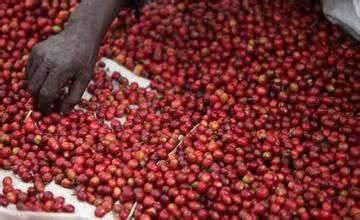
Refreshing, giving people an endless aftertaste of Yemeni coffee flavor, characteristics, taste and manor
Yemeni coffee originated from Arabian coffee trees hundreds of years ago, all produced in areas above 3000 feet above sea level. For hundreds of years, the unique planting and production methods of Yemeni coffee have remained almost unchanged. The seedlings of Yemeni coffee trees are first cultivated in nurseries and then transplanted to high elevations. Pesticides and fertilizers are not used in the breeding process. Mature coffee beans are naturally dried on coffee trees and shelled by stone grinding.

Introduction to the Grinding scale of Yemeni Coffee Bean production area
Yemeni coffee bean flavor characteristics taste regional grinding scale introduction Moha is a small seaport on the red sea in the south of Yemen. for hundreds of years, most of the famous Yemeni coffee has been exported to countries around the world, so Yemeni coffee is gradually named after Moha. For many years, Yemeni Moha coffee has been regarded as the best coffee in the world, and its excellent quality has always been praised by the world.

Description of single bean flavor of Matta mocha Coffee introduction to the planting and Development History of varieties in producing areas
When talking about Yemeni coffee, Yemeni Yemen immediately reminds people of thick and wild sun-dried beans. Yemeni coffee farmers have been planting according to the ancient methods handed down by their ancestors since ancient times. because Yemen's rugged terrain is not easy to grow and there is little rainfall, Yemeni coffee farmers choose terraces or lowlands to grow, and choose places that are not easily exposed to strong sun exposure, while Yemen

Yemeni Coffee Flavor Taste Manor Introduction Yemen Fine Coffee Bean Introduction
Yemeni coffee has many varieties, mostly named according to its origin and type, with different flavors, such as fresh wood, tobacco, musk, fruit wine, roasted nuts, cocoa and warm seasonings. Moha coffee is especially so. At present, Yemen moha coffee is most famous in the market, such as Ismaili, Matari, Sanani and other varieties. Sanani coffee beans are medium in size and have fruit wine style.