
"Planting"
29777 article(s) found

Yunnan small grain coffee Yunnan coffee beans
Yunnan coffee was planted on a large scale in the mid-1950s, with a planting scale of 4000 hectares at one time. By the end of 1997, the planting area of coffee in the province had reached 7800 hectares. At present, the planting area of the province accounts for 70% of the national area, and the output accounts for 83% of the whole country. Yunnan coffee has established the dominant position in China in terms of planting area and coffee bean production. The west and south of Yunnan Province
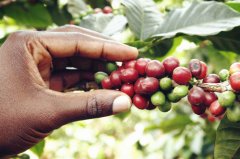
Red Kaduai Red Catuai of Tianyi Manor in Nicaragua planting area
The planting conditions in Nicaragua are not inferior to those in Central American countries. Shaded coffee is grown at high altitudes. It tastes round and balanced with less sharp acid. The main unknown factor is war and hurricanes, which make a single farm unsustainable. There is no historical data for raw bean merchants to track and check farm data until after 2003, the bad factors of coffee quality are removed and backward intercourse.

The basic altitude of coffee planting technology is the most suitable for planting.
Coffee planting technology the origin of coffee trees is in Ethiopia, Africa. In botany, coffee trees belong to the evergreen trees of the subgenus Rubiaceae, and coffee beans, commonly known as coffee beans, are the seeds of the fruit of coffee trees, just because they are shaped like beans, so they are called coffee beans. Climate is the decisive factor for coffee cultivation. Coffee trees are only suitable for growing in the tropics or subtropics.
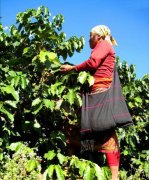
Coffee planting techniques what coffee planting techniques are there? How do you grow coffee? How to grow coffee?
1. The cultivation of strong coffee seedlings 1. The selection of nursery land is close to water source, convenient for transportation, loam or sandy loam with loose and fertile soil, deep soil layer, good drainage, paddy field with PH value of 66.5 or early nursery land, and close to coffee garden. Turn over 20cm30cm meters to make fire and burn the soil, hoe fine and remove stones, branches and roots before sieving, or use mountain humus, add 8-

Yunnan Arabica coffee quality introduction Tin card coffee estate varieties planting market price introduction
Yunnan can be said to be the only province where Arabica is still planted in large areas. The main planting areas are concentrated in Lincang, Dehong, Baoshan, western Yunnan and Pu 'er Banna, southern Yunnan. The coffee introduced by missionaries in the 19th century is mainly Robusta, and no large-scale planting has been carried out since then. In the 1950s, Soviet experts assisted the world's two mainstream Arabica varieties: iron pickup typica and wave.

Developing Coffee planting Industry in Pu'er Tea Township
The "Pu'er Tea Township" has made great efforts to develop the coffee planting industry in recent years. In 2010, the coffee planting area of the city reached 230000 mu, accounting for 52.8% and 50.5% of the province and the country, respectively, making it the coffee producing area with the widest planting area and the highest output in China.
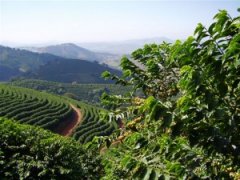
The living conditions of Coffee Manor at the Source of Coffee Industry chain
In the whole coffee industry chain, coffee planting is probably the source. If you want to save costs, coffee giants with profits will contract local coffee estates where they are going to perform. Starbucks, the fastest growing coffee leader in China in recent years, has also signed a supply agreement with Aini Coffee in Yunnan, China, and then there will be Brista Coffee training School to take you into the coffee.

What is the taste of Peruvian High Grown high-planting coffee beans? introduction to Peruvian coffee bean grading system
Professional coffee knowledge exchange more coffee bean information please follow the coffee workshop (Wechat official account cafe_style) Peru High Grown Peruvian high-planting coffee beans Peruvian coffee growing area is mainly located in the central Chanchamayo region, and the two most famous planting areas are Villa Rica and La Merced, respectively, with Typica Arabica as the main planting variety; Peruvian coffee
Support of coffee planting policy
In recent days, with continuous rain and slippery roads in Bangdong Township, Linxiang District, it is difficult to transport the fertilizers and seedlings needed for coffee cultivation to the planting plots in time. In view of the problems such as the seedling site is far away from the coffee planting land and it is difficult for farmers to coordinate and transport themselves, the township party committee and the government have raised funds to help coffee growers transport seedlings and fertilizers, and decided to interplant coffee in the land where corn has been planted.
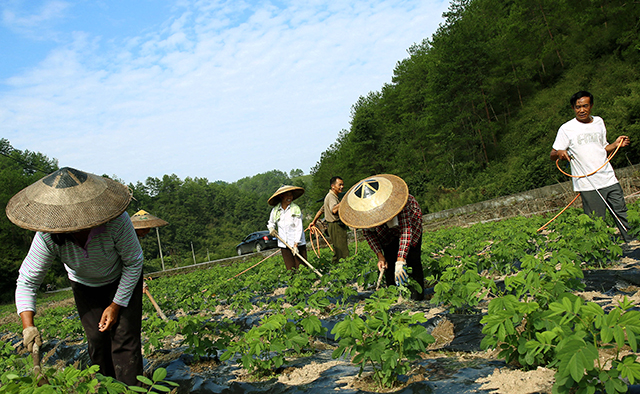
The economic benefit of popularizing and planting coffee in Yunnan is considerable.
On August 11, farmers of coffee trees professional cooperatives fertilized and weeded in the planting base in Linkou Town, Tong Dong Autonomous County. Last year, the cooperative successfully introduced coffee trees from Yunnan for trial planting. This year, it adopted the model of company leasing land to fund technology and farmers' contracted land to provide labor services to promote the planting of coffee trees in surrounding villages and towns. At present, coffee trees are growing happily, and it is expected that the output value per mu this year will be

Yunnan Coffee Flavor
Yunnan coffee was planted on a large scale in the mid-1950s, with a planting scale of 4000 hectares at one time. By the end of 1997, the planting area of coffee in the province had reached 7800 hectares. At present, the planting area of the province accounts for 70% of the national area, and the output accounts for 83% of the whole country. Yunnan coffee has established the dominant position in China in terms of planting area and coffee bean production. Yunnan small grains of coffee, Qian
Coffee tree growth soil conditions coffee tree planting soil PH value coffee tree planting knowledge
Professional coffee knowledge exchange more information about coffee beans Please follow the coffee workshop (Wechat official account cafe_style) to create the perfect pH value for coffee growth healthy coffee trees not only need nutrition. Its acidity also needs to be at an optimal pH level, that is, between 4.9 and 5.6. Between these levels, plants can better absorb nutrients, thus producing more coffee.
Planting conditions of Coffee trees planting soil knowledge of Coffee trees
Professional coffee knowledge exchange more coffee bean information please follow the coffee workshop (Wechat official account cafe_style) to create ideal soil conditions Professor Joao Batista Pavesi Simao of the University of Esp í rito Santo in Brazil has been developing applied research on coffee since 2005. He attributes Brazil's success as a coffee producer to a large extent to their opposition to Turkey.

Introduction to the planting environment of coffee knowledge and coffee planting in El Salvador
The civil war in coffee varieties caused chaos and affected economic development, but ironically allowed coffee antiquities to be preserved, and the situation was so chaotic that coffee producers in El Salvador failed to catch up with the renewal of coffee varieties in Central and South America. El Salvador produces 100% Arabica coffee, of which 68% is Bourbon, Coffea arabica var. Bourbon), 29% Pa
The common sense of fine coffee illustrates the whole process of planting and growth of coffee beans.
First, what is coffee seed? How did you get the coffee seeds? Coffee seeds, commonly known as dried beans with shells, are coffee seeds that have not yet removed their mesocarp and silver skin. Coffee seeds are divided into Arabica Arabica species and Robusta Robasta species. The picture shows commercial coffee raw beans available for consumption, and they are also two major coffee varieties grown commercially on a large scale. Coffee beans have been planted and grown

Coffee planting conditions Coffee planting techniques in China
In the 19th century, coffee was grown almost all over the country, followed by a coffee boom that lasted nearly a century. The extensive cultivation of coffee has brought wealth and prosperity to Brazil. At the beginning of the 20th century, Brazil accounted for more than 75% of the world's total coffee production, thus winning the reputation of the coffee kingdom. Coffee is one of the important pillars of Brazil's national economy. The whole country

Nicaragua Providence Manor Single Bean Coffee Bean Planting Nicaragua Coffee Bean Planting Area
Professional barista exchanges, please pay attention to the name of the coffee workshop (Weixin Official Accounts cafe_style ) JINOTEGA Sinot Gavo production area and its capital name, which comes from xinotencatl in Nahuatl text, but there are different opinions on the meaning of the word, either urban old people or neighbors of Jinocuabos, but the latter may be more accurate. in the region
Coffee planting knowledge planting and picking of Coffee trees
One of the characteristics of a coffee tree is that its fruit can bear fruit several times a year, and another is that flowers and fruits coexist at different stages of ripening. If the fruit is too ripe, the beans in it will rot. If the beans are not ripe, the beans will not ripen by themselves. So bean pickers often go through the same tree several times to find ripe fruit, but try their best.
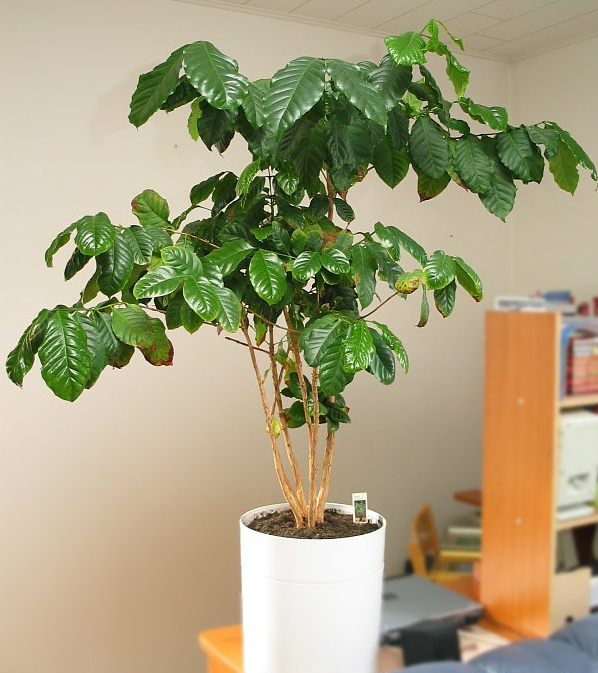
Technical Essentials of planting domestic Coffee trees
First, seeds: they can be picked by themselves or purchased online. Second, seed treatment: choose coffee seeds with good quality and parchment. Third, planting: the treated seeds can be planted directly or soaked in water before planting. Direct planting is very simple, put the seeds directly into vermiculite, the thickness of the surface soil and the thickness of the seeds can be the same; soaking varies according to different seasons. Such as