
"Pulp"
11267 article(s) found

Introduction to Coffee planting and Primary processing of Ethiopian species and characteristics of Manor
Characteristics of Coffee cultivation and Primary processing in Ethiopia ET has long been one of the top ten coffee producing areas in the world, and is a pioneer in Africa. ET has a federal department, the coffee and tea Authority, that specializes in coffee and tea-related matters, such as setting purchase prices for washing plants. ET produces a lot of coffee, but it is different from other producing countries.

Brazilian Ipanema Coffee Manor introduces the flavor of yellow bourbon after fruit pulp sun treatment.
Founded in 1969, Brazil's Ipanema Manor specializes in the production of high-quality Brazilian boutique coffee with traceability (Traceability). The estate is equipped with highly modern coffee processing facilities and strict quality control. Ipanema currently has 5500 hectares of plantable land, scattered in three historic coffee farms Conquistar, Capoeirinha and R.

The way of coffee and bean honey treatment? The taste of black honey treatment? How many kinds of coffee honey are treated?
Professional coffee knowledge exchange more coffee bean information please pay attention to the coffee workshop (Wechat official account cafe_style) coffee bean honey treatment method? The taste of black honey treatment? How many ways are there to treat coffee honey? Coffee is a kind of agricultural products, fresh is one of the indispensable elements of good coffee. When buying coffee beans, you will often see Washed.
Processing methods of high-quality coffee beans
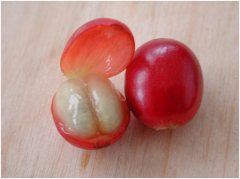
There are a pair of oval seeds in the center of the fruit of the coffee tree, which are covered with exocarp, endocarp and pulp. Ripe fruit will rot in a short period of time without treatment, so the purpose of refining is to enable coffee beans to be preserved for a long time, easy to store and circulate. Figure (1) Coffee fruit Coffee fresh fruit should be dealt with immediately after being harvested. Refining is to remove the peel and pulp of coffee fruit

What is the difference in the flavor and taste of coffee beans treated with sun washing and semi-washing honey?
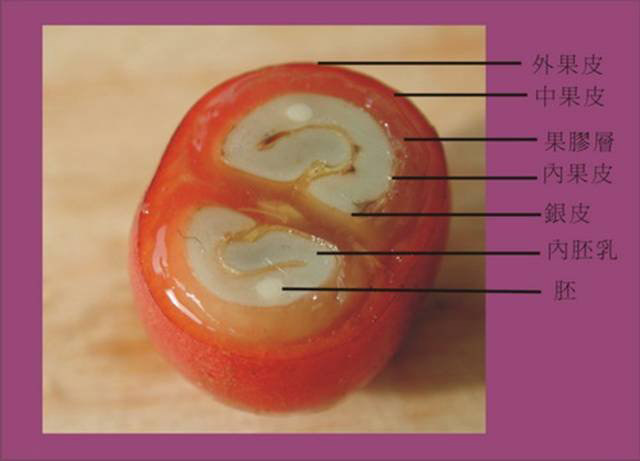
Professional coffee knowledge exchange more coffee bean information please pay attention to the coffee workshop (Wechat official account cafe_style) sun, half-sun, honey treatment, washing treatment what is the difference? What are the flavor characteristics of honey treatment? The structure of coffee fruit, cherry-like coffee fruit, from the outside to the inside are peel, pulp, pectin layer, sheep skin (seed shell), silver skin, seed.

The process of processing and fermentation of Ethiopian coffee by washing
The process of fermentation by washing coffee in Ethiopia honey treatment is used in almost all the producing areas of Costa Rica. This method is also widely spread throughout Central America. Because the surface mucosa of coffee beans is extremely sticky and smooth and the sugar content is extremely high, it is often called honey. In the process of honey treatment, coffee will leave some or all of the honey when it is dried. Coffee fruits have been picked, graded and

The treatment method of raw coffee bean; the detailed introduction of washing method.
When the coffee fruit is harvested from the mountain, the next step is to remove the peel and pulp of the coffee beans. There are two main ways of treatment: washing and solarization. But the ultimate determining factor is whether there is enough water to use. Some special boutique coffees are both insolated and washed. Washing requires the use of special machinery and equipment and adequate water sources.
How to deal with high-quality coffee beans
There are a pair of oval seeds in the center of the fruit of the coffee tree, which are covered with exocarp, endocarp and pulp. Ripe fruits will rot in a short time without treatment, so the purpose of refining is to enable coffee beans to be preserved for a long time, easy to store and circulate. (1) Coffee fruits and fresh fruits should be treated immediately after they have been harvested. Refining is to remove the outer skin and pulp of coffee fruit.

Coffee cultivation and initial processing of Ethiopian Coffee characteristic species manors in producing areas
Coffee cultivation and primary processing characteristics of Ethiopian coffee-producing areas manor sun treatment is very demanding on the climate, if you encounter a rainy day in the sun process, it will make the beans moist and moldy. When drying raw beans in the sun, the color is yellow, and the center will be brown after baking, rather than the white of washed beans. Sun-dried beans have relatively better sweetness and mellow thickness, and sour taste

He started a business with coffee pulp that no one asked for.
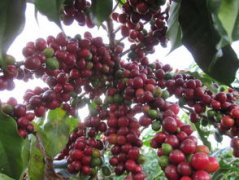
If you are familiar with coffee, you will probably know that coffee trees produce fruit. After the peel and fruit are removed by washing and sunlight, the remaining seeds, that is, coffee beans, are really used to make coffee. As a result, there are mountains of fruit and peels left in the process of obtaining coffee beans, a small number of which are used as fertilizer by coffee farmers, which are more common.

Description of Flavor of Coffee Bean by Solar method introduction of Grinding scale Manor in producing area of Coffee Bean
Coffee bean sun flavor description variety production area grinding scale manor introduction coffee beans after harvest must immediately enter the treatment process, otherwise it will begin to ferment, making coffee beans have a strange smell. There are two methods of treatment: solarization and water washing, which will cause different flavors. Sun-dried beans have a complete natural mellow flavor, gentle aroma and more gum; water

A brief introduction to the taste treatment method of the difference between washing and solarization of Kenyan coffee
There are two types of coffee farms in Kenya, one is a large planting farm covering an area of more than five acres, but the average elevation is low, as far as Kenyan coffee is concerned, the coffee bean quality of the big farm is only medium. The best Kenyan beans come from small farms, mostly in the foothills or fire above 5,000 to 6,000 feet.

Processing method of high-quality coffee beans coffee refining method
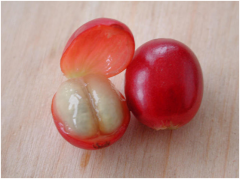
There are a pair of oval seeds in the center of the fruit of the coffee tree, which are covered with exocarp, endocarp and pulp. Ripe fruit will rot in a short period of time without treatment, so the purpose of refining is to enable coffee beans to be preserved for a long time, easy to store and circulate. Figure (1) Coffee fruit Coffee fresh fruit should be dealt with immediately after being harvested. Refining is to remove the peel and pulp of coffee fruit
Processing method of high-quality coffee beans coffee refining method
There are a pair of oval seeds in the center of the fruit of the coffee tree, which are covered with exocarp, endocarp and pulp. Ripe fruit will rot in a short period of time without treatment, so the purpose of refining is to enable coffee beans to be preserved for a long time, easy to store and circulate. Figure (1) Coffee fruit Coffee fresh fruit should be dealt with immediately after being harvested. Refining is to remove the peel and pulp of coffee fruit

How many coffee treatments are there? What's the difference between tanning and washing?
Professional coffee knowledge exchange more coffee bean information please pay attention to the coffee workshop (Wechat official account cafe_style) how many kinds of coffee processing? What's the difference between tanning and washing? In this innovation and change of modern coffee industry, more and more characteristics of producing areas, roasting degree, treatment methods and so on have been paid more and more attention. This time, I would like to share with you some of the more common ones.

Choice of filter paper for fine coffee: raw pulp filter paper or bleached filter paper
Professional coffee knowledge exchange more coffee bean information Please pay attention to coffee workshop (Wechat official account cafe_style) bleaching filter paper bleaching and unbleached filter paper the main difference is whether it is bleached, bleached with a small amount of chlorine, or bleached with oxygen. Although the safety of chlorine bleached filter paper was questioned in the 1980s, it has now been proved to be used in brewing coffee.
The treatment method of high-quality coffee beans-details of coffee refining method
There are a pair of oval seeds in the center of the fruit of the coffee tree, which are covered with exocarp, endocarp and pulp. Ripe fruit will rot in a short period of time without treatment, so the purpose of refining is to enable coffee beans to be preserved for a long time, easy to store and circulate. Figure (1) Coffee fruit Coffee fresh fruit should be dealt with immediately after being harvested. Refining is to remove the peel and pulp of coffee fruit

Coffee bean processing coffee washing method or drying method is better
The refined processing of coffee beans has about 8 processes, such as rough processing, separation, classification, fermentation, drying, shelling, polishing, sorting and so on. There are two ways to prepare coffee beans for the baking process. The method chosen has a significant impact on the final value and quality of coffee. The cheapest processing method is called drying, which is used for lower grade coffee beans and higher quality coffee beans.
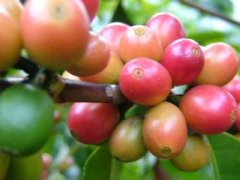
Processing of high-quality coffee beans by wet treatment
The wet treatment process requires more capital investment and more energy, but this method helps to ensure the quality of coffee beans and reduce damage. The main difference between the wet and dry methods is that during the wet treatment, the pulp is immediately separated from the coffee beans instead of drying them. The pulp is separated in this way in a separator with a fixed surface and a moving surface.

How is a cup of coffee made?
The raw beans are picked and soaked in the fermentation tank, which is convenient for the pulp to be beaten by machine, and the pulp is removed to soak and wash the coffee beans in the washing tank again, so as to remove the shell and flesh. And soak and ferment (the fermentation process will affect the taste of the coffee) and air-dry the fermented coffee beans in the open field (also through the air dryer). This is after drying.