
"Saint"
1832 article(s) found
Guatemala Coffee Manor-Saint Isabel Manor Santa Isabel Manor Information introduction
For the exchange of professional baristas, please follow the coffee workshop (Wechat official account cafe_style) San Isabel Manor (Guatemala Santa Isabel) in Guatemala] introduce Santa Isabel Logo a. Tasting flavor: plum, caramel flavor b. Cup test results: the dry aroma shows toast, dark chocolate and a little cream, while the wet aroma still has dark chocolate.
Costa Rican Coffee flavors Costa Rican Coffee characteristics Costa Rican Saint
Coffee cherries are hand-selected by coffee farmers to remove overripe or immature cherries, and then produce them. A 3-disc aagaarde peeling machine is used to remove the peel and pulp, and then the machine is divided into three grades according to the density of coffee beans. Grade 1 and 2 raw beans are fermented separately, while grade 3 is low-quality raw beans. The raw beans were fermented in a cool place for about 24 to 36 hours.
Costa Rican Saint Roman Coffee introduction, Costa Rican Saint Roman Coffee flavor
Following Cafe Review (official Wechat account vdailycom) found that Beautiful Cafe opened a small shop of its own [country]: Costa Rica [Grade]: SHB [altitude]: 1700m [production area]: Tarazu production area [Baking degree]: medium and Deep Baking [treatment]: washing treatment [Variety]: Kaddura, Kaduai [treatment Plant]: St. Roman treatment Plant [Wind]

Description of the delicious and juicy Nicaraguan-Saint Lady Manor Coffee Flavor
For the exchange of professional baristas, please follow the Coffee Workshop (Wechat official account cafe_style) country: Nicaraguan treatment: washing Manor: Virgin Manor Harvest time: 2011 production area: La Laguna Variety: Caturra Grade: SHG appearance: 17-19 Screen description and brewing suggestion: Saint Lady Manor this is a small estate located in La Laguna area, elevation
Fragrant Costa Rican Coffee Saint Roman Coffee Flavor, characteristics, taste and Manor introduction
Coffee cherries are hand-selected by coffee farmers to remove overripe or immature cherries, and then produce them. A 3-disc aagaarde peeling machine is used to remove the peel and pulp, and then the machine is divided into three grades according to the density of coffee beans. Grade 1 and 2 raw beans are fermented separately, while grade 3 is low-quality raw beans. The raw beans were fermented in a cool place for about 24 to 36 hours.
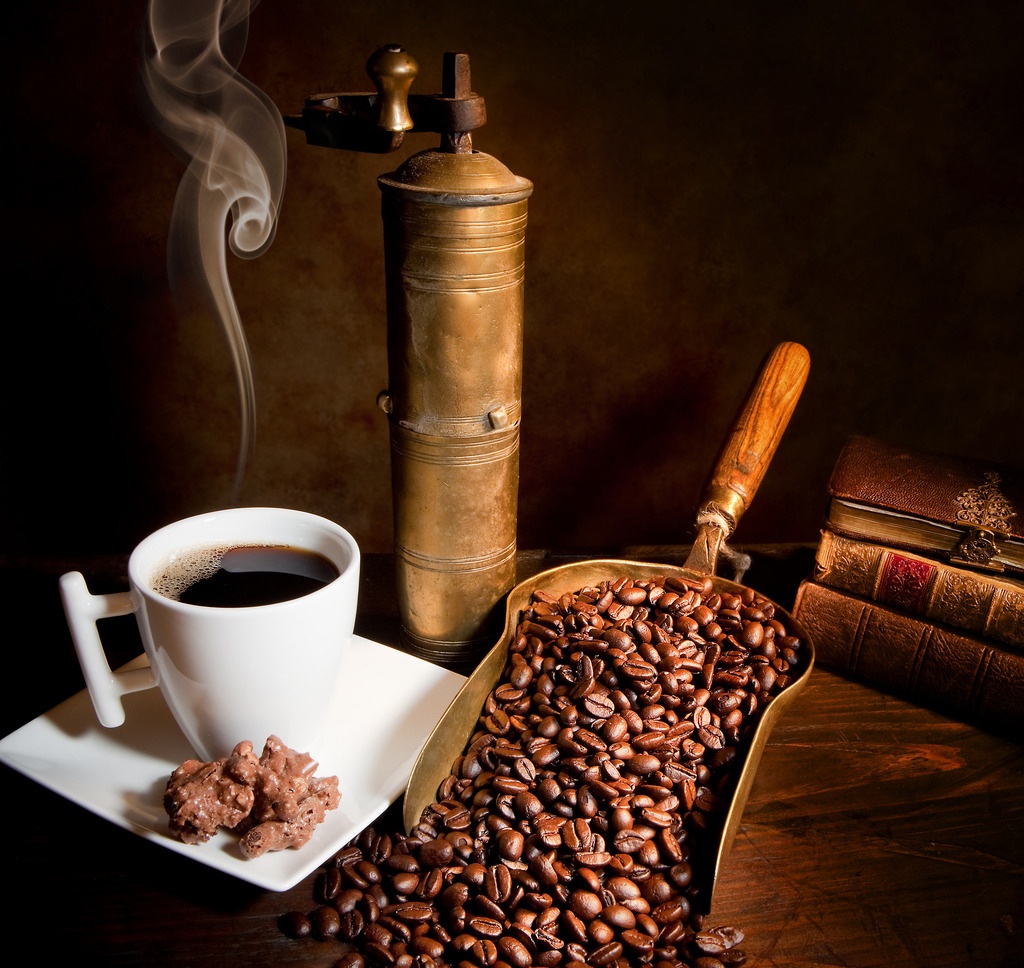
Fragrant Costa Rican Coffee Saint Roman Coffee Flavor, characteristics, taste and Manor introduction
Coffee cherries are hand-selected by coffee farmers to remove overripe or immature cherries, and then produce them. A 3-disc aagaarde peeling machine is used to remove the peel and pulp, and then the machine is divided into three grades according to the density of coffee beans. Grade 1 and 2 raw beans are fermented separately, while grade 3 is low-quality raw beans. The raw beans were fermented in a cool place for about 24 to 36 hours.
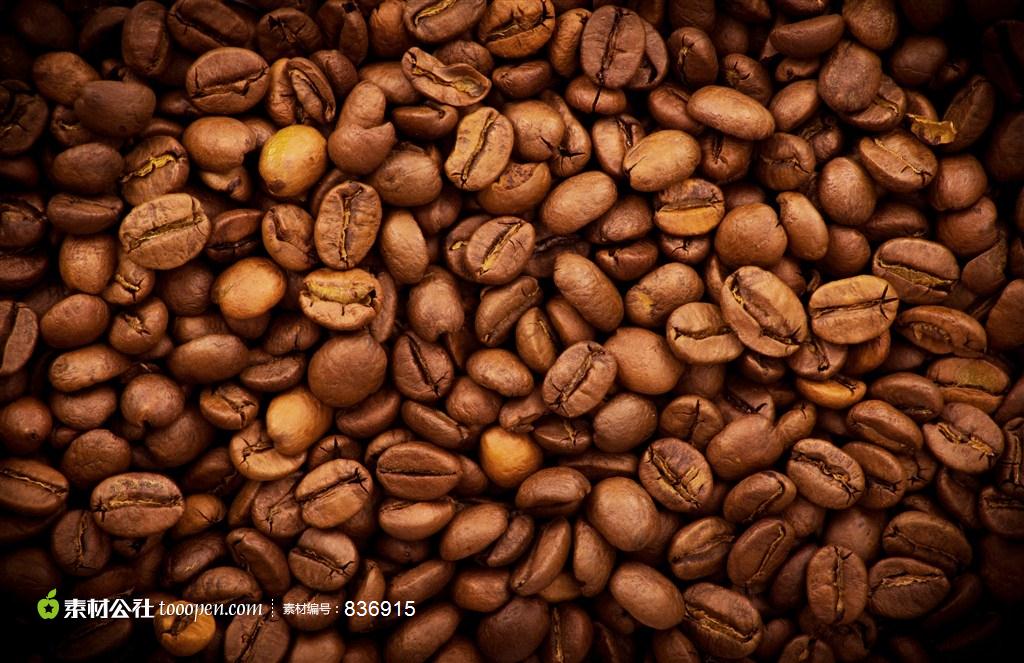
Fragrant Costa Rica plus Saint Roman Coffee Flavor, characteristics, taste and Manor introduction
Coffee cherries are hand-selected by coffee farmers to remove overripe or immature cherries, and then produce them. A 3-disc aagaarde peeling machine is used to remove the peel and pulp, and then the machine is divided into three grades according to the density of coffee beans. Grade 1 and 2 raw beans are fermented separately, while grade 3 is low-quality raw beans. The raw beans were fermented in a cool place for about 24 to 36 hours.

Fruit sweet Costa Rican Saint Roman Coffee Variety Taste Flavor Fine Coffee beans
Coffee cherries are hand-selected by coffee farmers to remove overripe or immature cherries, and then produce them. A 3-disc aagaarde peeling machine is used to remove the peel and pulp, and then the machine is divided into three grades according to the density of coffee beans. Grade 1 and 2 raw beans are fermented separately, while grade 3 is low-quality raw beans. The raw beans were fermented in a cool place for about 24 to 36 hours.
Costa Rica West Valley San Rafael Saint Raphael Microprocessing Field (honey processed beans) Introduction
Professional barista exchanges, please pay attention to coffee workshop (Weixin Official Accounts cafe_style ) Costa Rica West Valley San Rafael Saint Rafael Microprocessing Farm (honey processing beans) Costa Rica is the most stable and best quality coffee in Central America. Coffee production has a very long history. As early as the 19th century, it has been exported to Britain. In Costa Rica, Robusta varieties are prohibited by law.
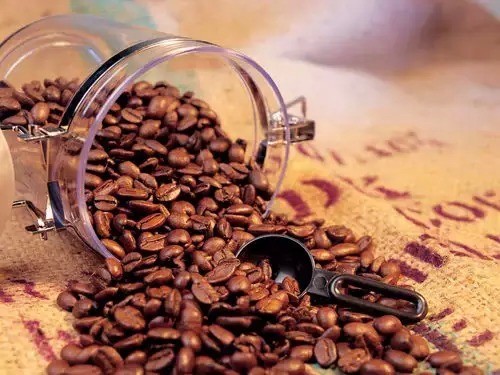
Taste characteristics of Costa Rica plus Saint Roman Coffee with Sweet Fruit Flavor Flavor Coffee Bean
Coffee cherries are hand-selected by coffee farmers to remove overripe or immature cherries, and then produce them. A 3-disc aagaarde peeling machine is used to remove the peel and pulp, and then the machine is divided into three grades according to the density of coffee beans. Grade 1 and 2 raw beans are fermented separately, while grade 3 is low-quality raw beans. The raw beans were fermented in a cool place for about 24 to 36 hours.
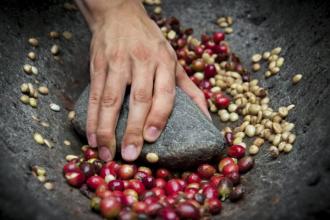
Fruit sweetness Costa Rica plus Saint Roman Coffee varieties taste characteristics Manor boutique coffee bean flavor
Coffee cherries are hand-selected by coffee farmers to remove overripe or immature cherries, and then produce them. A 3-disc aagaarde peeling machine is used to remove the peel and pulp, and then the machine is divided into three grades according to the density of coffee beans. Grade 1 and 2 raw beans are fermented separately, while grade 3 is low-quality raw beans. The raw beans were fermented in a cool place for about 24 to 36 hours.
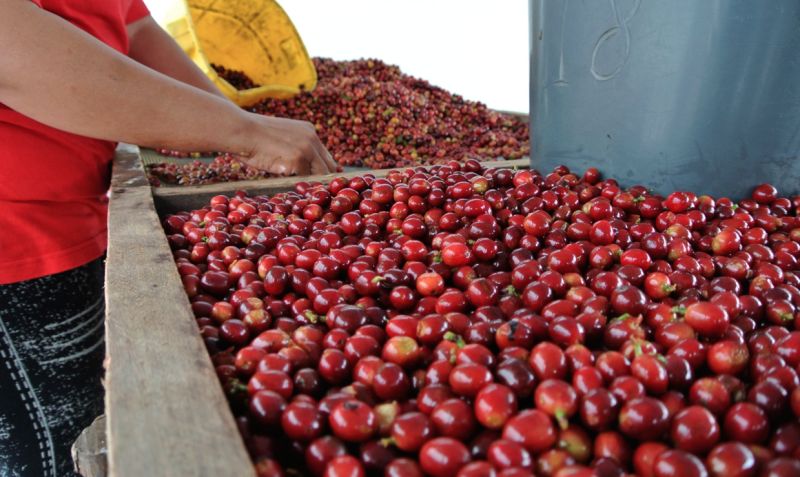
Fruit sweetness Costa Rica plus Saint Roman Coffee varieties taste manor characteristics boutique coffee bean flavor
Coffee cherries are hand-selected by coffee farmers to remove overripe or immature cherries, and then produce them. A 3-disc aagaarde peeling machine is used to remove the peel and pulp, and then the machine is divided into three grades according to the density of coffee beans. Grade 1 and 2 raw beans are fermented separately, while grade 3 is low-quality raw beans. The raw beans were fermented in a cool place for about 24 to 36 hours.

Colombian Coffee Colombian Saint Ario Manor introduction.
Professional coffee knowledge exchange more coffee bean information Please pay attention to Coffee Workshop (Wechat official account cafe_style) Saint Ario Manor is located in the (CAUCA) alpine volcanic area located at a high altitude of 1950-2100 meters, facing the Pacific Ocean to the west, with a unique micro-climate. Coffee trees are mostly planted on volcanic slopes and absorb the essence of volcanic ash soil, so this area is not only coffee beans.
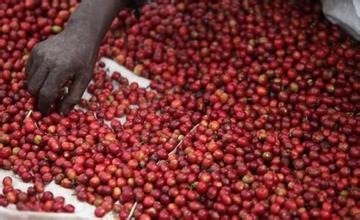
Fruit sweetness Costa Rica plus Saint Roman Coffee Variety characteristics taste Manor boutique coffee bean flavor introduction
Coffee cherries are hand-selected by coffee farmers to remove overripe or immature cherries, and then produce them. A 3-disc aagaarde peeling machine is used to remove the peel and pulp, and then the machine is divided into three grades according to the density of coffee beans. Grade 1 and 2 raw beans are fermented separately, while grade 3 is low-quality raw beans. The raw beans were fermented in a cool place for about 24 to 36 hours.
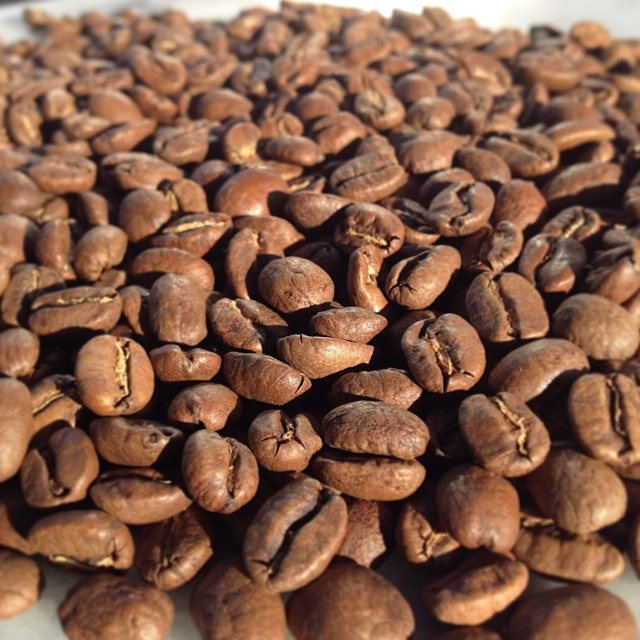
The sweet smell of chocolate beans makes people forget the flavor of Costa Rican Saint Roman coffee.
Coffee cherries are hand-selected by coffee farmers to remove overripe or immature cherries, and then produce them. A 3-disc aagaarde peeling machine is used to remove the peel and pulp, and then the machine is divided into three grades according to the density of coffee beans. Grade 1 and 2 raw beans are fermented separately, while grade 3 is low-quality raw beans. The raw beans were fermented in a cool place for about 24 to 36 hours.

Costa Rican Saint Roman Coffee Taste characteristics of Costa Rican Saint Roman
Professional baristas Please follow the Coffee Workshop (Wechat official account cafe_style) Costa Rican coffee was introduced from Cuba in 1779 and exported for the first time in 1820. There are about 32000 coffee farmers, with an average planting area of less than one hectare (10000 tons). Costa Rica has a population of 41 billion (2006) and a coffee planting area of 82500 mu.
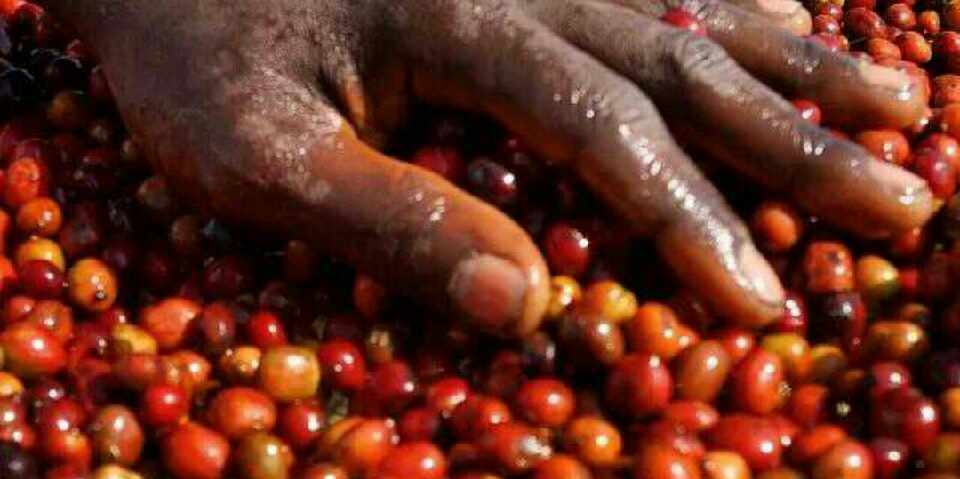
The sweetness of the fruit makes people forget the flavor, characteristics, taste and manor of Costa Rica Saint Roman Coffee.
Coffee cherries are hand-selected by coffee farmers to remove overripe or immature cherries, and then produce them. A 3-disc aagaarde peeling machine is used to remove the peel and pulp, and then the machine is divided into three grades according to the density of coffee beans. Grade 1 and 2 raw beans are fermented separately, while grade 3 is low-quality raw beans. The raw beans were fermented in a cool place for about 24 to 36 hours.
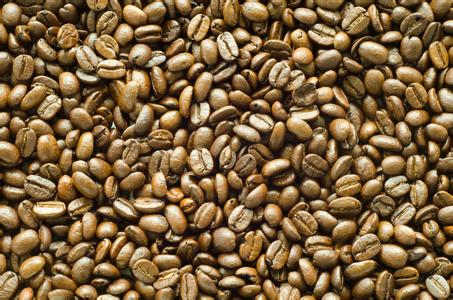
What is the treatment of Costa Rican Saint Roman coffee beans?
How to treat Costa Rican Saint Roman coffee beans Costa Rican boutique coffee has only come to the fore in the past decade. Although Costa Rica introduced coffee from Cuba as early as 1729 and carried out commercial cultivation, it made great efforts to develop the coffee bean industry. But it mainly produces and distributes mixed coffee beans and Italian commercial beans for export to its nearest neighbor, coffee.
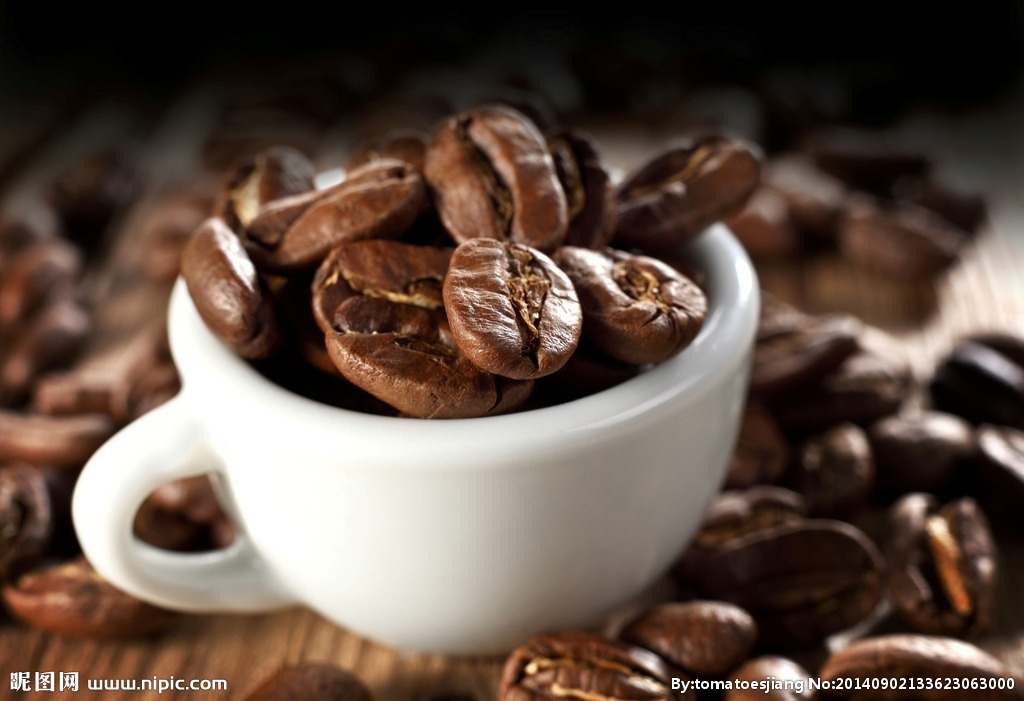
The sweetness of the fragrant fruit makes people forget the flavor, characteristics and taste of Costa Rican Saint Roman coffee.
Coffee cherries are hand-selected by coffee farmers to remove overripe or immature cherries, and then produce them. A 3-disc aagaarde peeling machine is used to remove the peel and pulp, and then the machine is divided into three grades according to the density of coffee beans. Grade 1 and 2 raw beans are fermented separately, while grade 3 is low-quality raw beans. The raw beans were fermented in a cool place for about 24 to 36 hours.

Costa Rican Saint Roman Coffee data how to drink Costa Rican Saint Roman
For the exchange of professional baristas, please follow the coffee shop (Wechat official account cafe_style) hand-made in San Roman, Costa Rica. 15g powder, medium grinding (small Fuji ghost tooth cutter 4 grinding), v60 filter cup, 88-89 degrees water temperature, the first water injection 30g water, 27 seconds of steaming, injection to 105g water cut off, wait for the powder bed water to half and then water injection, slow water injection until 225g water