
"Santiago"
423 article(s) found

Introduction to the boutique coffee beans in the manor area
The earliest coffee in Dominica was introduced from Martinique (the overseas province of France), dating back to the early 18th century. Dominica is an island country with a tropical climate. The temperature changes little throughout the year. Except for the lower temperature in the Central Cordillera Mountains, which can reach less than 0 ℃ in winter, the annual average temperature in other areas is between 25 and 30 ℃, which is affected by the mountain topography.

Fragrance pleasant Dominican coffee variety characteristics taste Manor boutique coffee bean flavor
The earliest coffee in Dominica was introduced from Martinique (the overseas province of France), dating back to the early 18th century. Dominica is an island country with a tropical climate. The temperature changes little throughout the year. Except for the lower temperature in the Central Cordillera Mountains, which can reach less than 0 ℃ in winter, the annual average temperature in other areas is between 25 and 30 ℃, which is affected by the mountain topography.

What are the characteristics of island coffee? How about coffee in Dominica? Taste
Professional coffee knowledge exchange More coffee bean information Please pay attention to coffee workshop (Weixin Official Accounts cafe_style) Dominica is an island country with a tropical climate. The temperature changes little throughout the year. Except for the low temperature in the Central Cordillera Mountain area, which can reach below 0℃ in winter, the average annual temperature in other areas is between 25 and 30℃. Influenced by the terrain of mountains, the north and

Dominican Coffee Flavor Dominica Coffee characteristics Dominican coffee taste
The earliest coffee in Dominica was introduced from Martinique (the overseas province of France), dating back to the early 18th century. Dominica is an island country with a tropical climate. The temperature changes little throughout the year. Except for the lower temperature in the Central Cordillera Mountains, which can reach less than 0 ℃ in winter, the annual average temperature in other areas is between 25 and 30 ℃, which is affected by the mountain topography.

Dominica Santo Domingo Coffee Flavor description abrasion Variety characteristics of Fine Coffee
Located in the Jarabacoa region near Siwao, it has the largest farm in Dominica, Ramirez Manor (RamirezEstates), which mainly grows Kaddura varieties, and most of the coffee produced is sold to Europe, the United States and other western countries and regions. Ramirez Manor itself produces coffee in an environmentally friendly way. Coffee from Dominica is made with A.

What is Dominican coffee? Classification and characteristics of coffee
Dominica coffee is what varieties-coffee classification varieties and characteristics of Dominica, the name means that the original is Sunday, Columbus first came to America to find it, because that day happened to be a Sunday. This seemingly random name is still quite far-sighted today, because a cup of good coffee can bring people a relaxed and happy mood.

Dominica Coffee Flavor description Grinding degree Taste characteristics of High-quality Coffee beans
Coffee in Dominica has two main characteristics, which vary according to the region and variety of coffee produced. Tibica coffee, produced in the main producing area of Baraona, has the soft taste and light aroma peculiar to the Caribbean, while the highland coffee in Siwao in the central mountain area has a strong taste. The growing variety of Kind Kaddura species in two producing areas was seriously affected by the 1998 hurricane.

Characteristics of Dominica coffee beans in Dominica coffee producing areas
The Dominican Republic is a popular country for travelers. It lives next to Haiti on the island of Hispaniola in the West Indies, Dominica in the west and Haiti in the east. The whitest and softest white sand in the world, the cool sea breeze from the Atlantic and Caribbean and the warm sunshine in the tropics make it a holiday paradise on a par with Maldives and Hawaii.

Introduction to the flavor of boutique coffee beans in manor
The earliest coffee in Dominica was introduced from Martinique (the overseas province of France), dating back to the early 18th century. Dominica is an island country with a tropical climate. The temperature changes little throughout the year. Except for the lower temperature in the Central Cordillera Mountains, which can reach less than 0 ℃ in winter, the annual average temperature in other areas is between 25 and 30 ℃, which is affected by the mountain topography.

Chakaya San Diego Cooperative Manor, Guatemala [Finca San Isidro Chacaya]
For the exchange of professional baristas, please follow the coffee workshop (official Wechat account cafe_style). Lake Attilan is one of the four major volcanic coffee areas in Guatemala. Atitlan. The mountainous Atitlan region gives coffee a more leisurely personality but no less flavor than Huehuetenango. Atitlan

A rich, aromatic Dominican coffee with flavor, character, taste and estate.
The earliest coffee in Dominica was introduced from Martinique (French overseas department), dating back to the early 18th century. Dominica is an island country with a tropical climate. The temperature changes little throughout the year. Except for the middle Cordillera mountain area, where the temperature is lower than 0℃ in winter, the average annual temperature in other areas is between 25 and 30℃, which is affected by the terrain of the mountains.
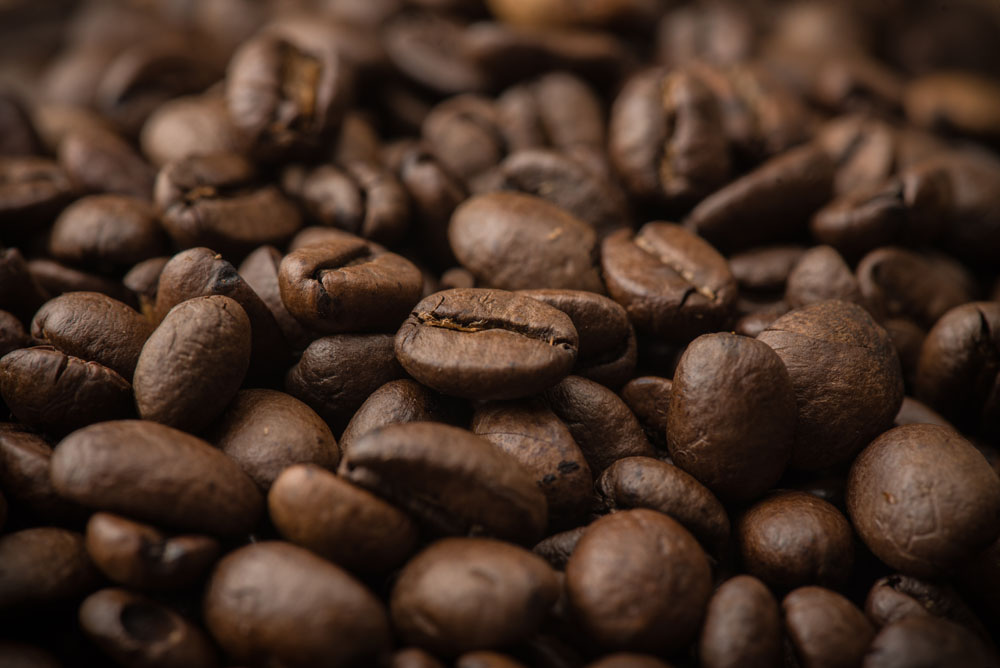
A rich, aromatic Dominican coffee with flavor, character, taste and estate.
The earliest coffee in Dominica was introduced from Martinique (French overseas department), dating back to the early 18th century. Dominica is an island country with a tropical climate. The temperature changes little throughout the year. Except for the middle Cordillera mountain area, where the temperature is lower than 0℃ in winter, the average annual temperature in other areas is between 25 and 30℃, which is affected by the terrain of the mountains.

Introduction to the flavor and taste of Dominica coffee producing area
Coffee in Dominica varies slightly in taste according to the altitude of the region where it is grown, with sour but rich taste in the highlands, and less sour and smoother taste in the lowlands. On the other hand, the high-quality coffee beans produced by some Dominican estates have a rich aroma, mellow taste, moderately bright sour taste, and are often used with famous Puerto Rican or Jamaican coffee.

Dominican coffee with excellent acidity and pleasant aroma Flavor Taste Manor Boutique Coffee Introduction
Dominican coffee is characterized by its freshness, fullness, excellent acidity and pleasant aroma (two colleagues agree). Such flavor characteristics are not only related to varieties and planting soil quality, but also closely related to the picking and processing methods of raw beans. Coffee selection in Dominica is the most expensive manual method. Workers choose.

Santo Domingo Coffee Brewing Area Fine Coffee Bean Taste Introduction
The earliest coffee in Dominica was introduced from Martinique (French overseas department), dating back to the early 18th century. Dominica is an island country with a tropical climate. The temperature changes little throughout the year. Except for the middle Cordillera mountain area, where the temperature is lower than 0℃ in winter, the average annual temperature in other areas is between 25 and 30℃, which is affected by the terrain of the mountains.

There are several varieties of Dominican coffee, sweet Arabica.
Professional coffee knowledge exchange more coffee bean information please follow the coffee workshop (Wechat official account cafe_style) front street-Dominica Coffee introduction the Dominican Republic has also experienced a history of turbulence and poverty, in 1844, Dominica officially declared its independence from the rule of Haiti. In 1865, the Spanish invasion was repelled. At present, the country implements democratic elections, but so far it is still

Dominican Coffee Flavor Taste Introduction Santo Domingo Coffee Features Dominican Fine Coffee Beans
Opening the introduction of Dominican coffee, the most distinctive characteristics are fresh and elegant, full of particles, excellent acidity and pleasant aroma (two colleagues agree with this evaluation). Such flavor characteristics are closely related to the picking and processing methods of raw beans in addition to the variety and planting quality. Dominican coffee selection is the most expensive manual method. Workers

Dominica coffee with excellent acidity and pleasant aroma. Introduction to fine coffee beans.
The earliest coffee in Dominica was introduced from Martinique (the overseas province of France), dating back to the early 18th century. Dominica is an island country with a tropical climate. The temperature changes little throughout the year. Except for the lower temperature in the Central Cordillera Mountains, which can reach less than 0 ℃ in winter, the annual average temperature in other areas is between 25 and 30 ℃, which is affected by the mountain topography.

It gives a faint fruity, lingering, smooth Dominican coffee finish.
The earliest coffee in Dominica was introduced from Martinique (French overseas department), dating back to the early 18th century. Dominica is an island country with a tropical climate. The temperature changes little throughout the year. Except for the middle Cordillera mountain area, where the temperature is lower than 0℃ in winter, the average annual temperature in other areas is between 25 and 30℃, which is affected by the terrain of the mountains.

Fresh and elegant, full-grained Dominica coffee Santo Domingo coffee
The earliest coffee in Dominica was introduced from Martinique (the overseas province of France), dating back to the early 18th century. Dominica is an island country with a tropical climate. The temperature changes little throughout the year. Except for the lower temperature in the Central Cordillera Mountains, which can reach less than 0 ℃ in winter, the annual average temperature in other areas is between 25 and 30 ℃, which is affected by the mountain topography.