
"Tamil"
140 article(s) found

Planting methods and Environmental requirements of Coffee Farm in India
Grade A coffee beans in India have always been a kind of coffee strongly concerned by coffee lovers all over the world because of their unique processing methods. From May to June every year, it is the monsoon period in India, and the rainy and dry seasons occur repeatedly. During this period, the coffee should be piled to a height of 12cm to 20cm, spread on one side of the tall building and stacked for about five or six days. Rake coffee beans from time to time so that the sun can shine.

To help maintain high quality and raise awareness, five kinds of Indian coffee have newly won the GI label.
Professional coffee knowledge exchange more coffee bean information Please follow the coffee workshop (Wechat official account cafe_style) the Ministry of Industry and domestic Trade Promotion has so far granted five kinds of geographical indications or geographical indication tags (GI,geographical indication, product name and geographical indications) for Indian coffee. The five varieties are: 1. Coorg Arabica Coffee-especially

Indian plantations, the first country in Asia to grow coffee
India is the first country in Asia to grow coffee, and India's A-grade coffee beans have always been a kind of coffee strongly concerned by coffee lovers all over the world. Its flavor and taste features: uniform particles, rich taste, slippery and delicious. The cultivation of Indian coffee originated from their colonists, the British. As early as the 17th and early 18th centuries, the English were not as addicted to tea as they are now.

Introduction of Indian Coffee Asian Coffee Bean producing countries
There are several reasons why Indian coffee is so popular in coffee hobbies, but the most important one is a process used in coffee beans, often called the monsooning process. In the past, passengers or cargo sailed to and from India, which took months to reach Europe. In transit, due to the high air humidity, the taste of raw coffee beans and

Where are the best coffee beans produced in Asia?
When you think of Jamaica, you immediately think of Blue Mountain coffee. Rare and expensive true blue mountain beans originated from the Wallensford coffee garden, but now the producing area has been expanded to the Blue Mountain Mountains with an elevation of more than 1000 meters. As long as the tree species and treatment procedures of the manor meet certain standards, the government will issue a guarantee to allow the use of the name "Blue Mountain".

Coffee producing area Coffee introduction to Indian Coffee
Slippery and delicious coffee with uniform granules. There are several reasons why Indian coffee is so popular with coffee hobbies, but the most important one is a process used in coffee beans, often called the monsooning process. In the past, passengers or goods sailed to and from India, which took about several months to reach Europe. In transit due to
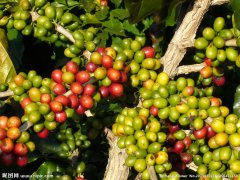
Slippery and delicious, even-grained coffee is loved by all coffee hobbies.
Slippery and delicious coffee with uniform granules. There are several reasons why Indian coffee is so popular with coffee hobbies, but the most important is a process used in coffee beans, often called the monsooning process. In the past, passengers or goods sailed to and from India, which took about several months to reach Europe. In transit due to

Introduction to the main producing areas of Indian Coffee the significance of studying Indian Coffee from planting treatment
For more information on coffee beans, please follow the coffee workshop (official Wechat account cafe_style) Coffee in India is grown in areas where the annual rainfall is about 2500 to 4000 mm, where it rains for more than 100 days, and then the drying period lasts for more than 100 days. The coffee growing areas in India have different climates and are suitable for growing different types of coffee. Main

An introduction to Indian coffee trees with a unique processing method.
People who taste Indian coffee for the first time will feel a strong flavor of the sea because Indian coffee beans are dried by the salty sea breeze. Grade A coffee beans in India have always been a kind of coffee strongly concerned by coffee lovers all over the world because of their unique processing methods. From May to June every year, it is the monsoon period in India, and the rainy and dry seasons occur repeatedly. In the meantime,
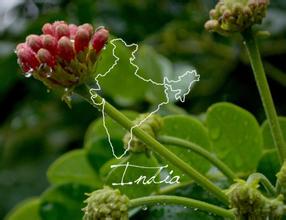
Asian Coffee Manor Coffee production area Coffee Plantation A Coffee beans have rich flavor and taste.
Flavor and taste characteristics: uniform particles, rich taste, slippery and delicious. People who taste Indian coffee for the first time will feel a strong flavor of the sea because Indian coffee beans are dried by the salty sea breeze. The cultivation of Indian coffee originated from their colonists, the British. As early as the 17th and early 18th centuries, the British were not as addicted to tea as they are now.

The pronunciation of coffee around the world to learn the pronunciation of coffee in some of the following countries
Have you ever thought about how coffee is pronounced in different countries? Let's learn the pronunciation of coffee in some of the following countries. Afrikaans: koffie (coffee) Albania: kafe (pronounced KA-fey) Amharic: sodium butadiene rubber (pronounced boona) Arabic: qahioa qahua or qahwe (Q's throat, obviously low voice, which sounds more like together (for example) Fei A

Characteristics of Arabica beans Coffee country India Coffee beans India
India's slippery, even-grained coffee. There are several reasons why Indian coffee is so popular with coffee hobbies, but the most important is a process used in coffee beans, often called the monsooning process. In the past, passengers or goods sailed to and from India, which took about several months to reach Europe. On the way to transport

What kinds of coffee are there in coffee growing areas in India? Flavor and taste of coffee beans treated by Indian monsoon
When it comes to Indian coffee, you may not be so familiar with it. Let's learn about the four major varieties of coffee in India with Qianjie today. Kent: Kent is the earliest Arabica variety selected by British growers of the same name in the 1920s. Until the 1940s, this variety was still popular in the growing community because it was not easy to rust. Today, it is in several

The History of Coffee cultivation in India and the introduction of producing areas how about Robusta coffee beans in India?
Professional coffee knowledge exchange more coffee bean information Please follow the coffee workshop (Wechat official account cafe_style) the history of growing coffee in India can be traced back to the 17th century, when it is said that a Muslim Baba Budan secretly brought back seven packets of coffee seeds from Arabia during a pilgrimage and planted them in Mysore, now Chi in Karnataka

Grade A coffee beans from India, the first country in Asia to grow coffee.
India is the first country in Asia to grow coffee, and India's A-grade coffee beans have always been a kind of coffee strongly concerned by coffee lovers all over the world. Its flavor and taste features: uniform particles, rich taste, slippery and delicious. The cultivation of Indian coffee originated from their colonists, the British. As early as the 17th and early 18th centuries, the English were not as addicted to tea as they are now.
The difference between "Natural Gold nuggets" and "Green Gold" in the treatment of Indian Monsoon
India is the first country in Asia to grow coffee, and India's A-grade coffee beans have always been a kind of coffee strongly concerned by coffee lovers all over the world. Its flavor and taste features: uniform particles, rich taste, slippery and delicious. The cultivation of Indian coffee originated from their colonists, the British. As early as the 17th and early 18th centuries, the English were not as addicted to tea as they are now.

The origin of Indian coffee introduces how Indian coffee is grown? What's the flavor of Indian coffee?
Slippery and delicious coffee with uniform granules. There are several reasons why Indian coffee is so popular with coffee hobbies, but the most important is a process used in coffee beans, often called the monsooning process. In the past, passengers or goods sailed to and from India, which took about several months to reach Europe. In transit due to

The coffee producing area of India: Jinta Manika Hayang Gan Manor in the west of the mountain
The coffee in India is mainly Arabica coffee, while Robbist coffee was introduced at the end of the 19th century and accounted for a certain proportion. Indian Grade A coffee beans are baptized by the monsoon and are rich, smooth and delicious, but have a peculiar spicy taste. A coffee connoisseur once commented that grade A coffee has a taste similar to that of Indonesian aged beans, which may have something to do with their handling.
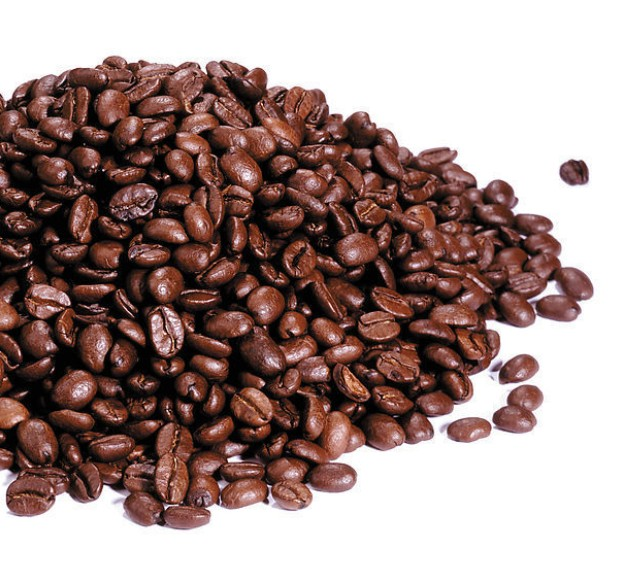
The grades of Indian coffee beans in Asia are classified as A, B, C and T
There are several reasons why Indian coffee is so popular in coffee hobbies, but the most important one is a process used in coffee beans, often called the monsooning process. In the past, passengers or cargo sailed to and from India, which took months to reach Europe. In transit, due to the high air humidity, the smell of raw coffee beans

Indian coffee boutique coffee cultivation
Coffee tree is a small evergreen tree of Rubiaceae. Coffee for daily consumption is made from coffee beans combined with various cooking utensils, and coffee beans refer to the nuts in the fruit of coffee trees, which are then baked in an appropriate way. The taste of a standard cup of coffee should not be bitter, and a qualified barista will strictly carry out every step when making coffee.