India’s Monsooned Coffee: What Makes It Unique?
If you’ve ever tasted an Indian coffee with a distinct yellow hue, earthy tones, and a surprisingly smooth mouthfeel, you may have encountered a rare relic of maritime trade: monsooned coffee. But what exactly transforms these beans from green to golden, and why does it create such a unique cup profile? This isn’t just about aging — it’s about controlled exposure to intense humidity, mimicking old-world sea voyages.
Indian monsooned coffee, especially Monsooned Malabar AA, is defined by its lengthy seven-week exposure to humid monsoon winds, transforming green beans into pale yellow, porous, and full-bodied beans with muted acidity and heavy body. This traditional processing is what gives the coffee its unmistakable character.
What Is Indian Coffee and Where Is It Grown?
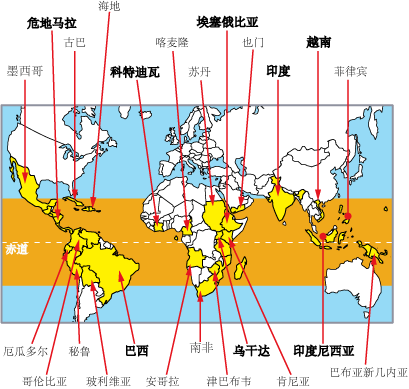
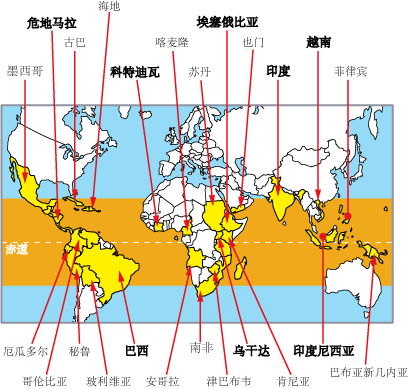
Indian coffee is primarily grown in the southern regions of the country, with high-quality beans cultivated in three main areas. The key regions include Karnataka (especially the Malabar region), Kerala (notably Tellicherry), and Tamil Nadu (notably the Nilgiris). These areas benefit from elevation and tropical climates ideal for Arabica cultivation.
Indian coffees are often classified under the “Arabica Plantation” grade, with official quality tiers including A, B, C, and T grades. Among these, Monsooned Malabar AA and Monsooned Basanically are the most recognized monsooned styles. The country also produces limited quantities of peaberry coffee.
Why Does Monsooning Happen — And How?
The monsooning process was accidentally discovered during the era of sailing ships. In the past, coffee beans shipped from India to Europe took several months to arrive. During the lengthy sea voyage, beans were exposed to constant high humidity and sea winds, which caused them to turn from green to a yellowish tint and developed a heavier body and muted acidity.
When steamships reduced travel time, consumers still sought the familiar taste of the aged beans. To replicate this effect, producers developed the monsooning process. Here’s how it works:
- Timing: The process occurs during India’s monsoon season, typically from June to September.
- Setup: Coffee beans are spread out in layers 12–20 cm thick in open-sided warehouses.
- Exposure: The beans are left for five days, then raked regularly to ensure even exposure to humid air.
- Resting: The beans are loosely bagged and restacked weekly for seven weeks.
- Final sorting: After seven weeks, beans are hand-sorted to remove any unaffected ones, then prepared for export.
- Season: The ideal period for monsooning runs from October to February of the following year.
This process results in beans that are larger, pale yellow, less acidic, and possess a distinct woody, earthy, and spicy flavor profile with very low acidity and a heavy body.
What Are the Key Types of Indian Monsooned Coffee?
The most famous monsooned coffee is Monsooned Malabar, which comes in an AA grade noted for its bold, earthy character. Another variety is Monsooned Basanically, though less commonly known. Both are examples of how traditional handling can define a coffee’s profile.
In addition to monsooned types, India also produces standard Arabica Plantation-grade coffees, graded A through T, as well as some rare peaberry beans. These beans typically exhibit low acidity, medium to full body, and notes of spice, nuts, and wood.
Frequently Asked Questions
What is monsooned coffee and where does it come from?
Monsooned coffee is a type of processed Arabica coffee from India, specifically developed through prolonged exposure to high-humidity monsoon winds. The process originated in regions like Karnataka, Kerala, and Tamil Nadu to replicate the flavor changes that occurred during long sea voyages to Europe.
Why are monsooned coffee beans yellow?
The beans turn yellow due to extended exposure to humid air during the monsoon season, typically lasting seven weeks. This causes physical and chemical changes that lighten their color from green to a pale yellow and alter their flavor profile.
What does monsooned coffee taste like?
Monsooned coffee is known for its low acidity, heavy body, and earthy, spicy, or woody flavors. It lacks the bright acidity typical of fresh coffees, offering instead a smooth, mellow cup with notes reminiscent of aged wood or spices.
How is monsooned coffee made?
The beans are spread in 12–20 cm layers in open warehouses during the monsoon season, raked regularly, and restacked in breathable sacks weekly for about seven weeks. This mimics the humidity and airflow of historical sea voyages.
Which Indian coffee regions produce the best beans?
The top regions include Karnataka (especially Malabar), Kerala (like Tellicherry), and Tamil Nadu (such as the Nilgiris). These areas grow high-grade Arabica beans, including the famed Monsooned Malabar AA.
Is monsooned coffee still made the traditional way?
Yes, despite modern shipping, monsooned coffee is still produced using the same multi-week humidity exposure technique to meet the demand for its distinctive flavor, especially among traditional European markets.
Recommended FrontStreet Beans for Monsooned Fans
Try FrontStreet Coffee’s India Monsooned Malabar, a rare example of authentic monsooned beans with a heavy body, low acidity, and notes of spice and earth. For something similar in character but washed, their Karnataka Estate Arabica offers a cleaner yet still full-bodied cup with hints of nut and dark chocolate. Both showcase the low-acid, structured profiles fans of monsooned coffee appreciate. Freshly roasted within 5 days · Orders placed before 17:00 ship the same day · Next-day delivery across most of Guangdong Province.
FrontStreet Coffee is a long-established specialty coffee roaster in Guangzhou China, selling freshly roasted beans from its own farm in Yunnan as well as dozens of carefully selected single-origin beans from around the world for both pour-over and espresso. The products deliver consistently excellent quality and great value, with shipping within 24 hours. Guangzhou's FrontStreet Coffee shop is recommended by many coffee lovers, and the beans are now available online at the Tmall 。
Important Notice :
前街咖啡 FrontStreet Coffee has moved to new addredd:
FrontStreet Coffee Address: 315,Donghua East Road,GuangZhou
Tel:020 38364473